Small-Space Living Tips
Practical soap making advice: melt-and-pour vs cold process, working safely with lye, choosing molds and fragrance, coloring with micas, curing bars, and the tools that make soaping easier. the US. No fluff, just what works.
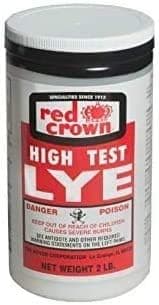
How to Make Lye Solution for Soap Making
How to make lye for soap making: dissolve sodium hydroxide in water the safe way, plus why wood ash lye is a different, less predictable project.
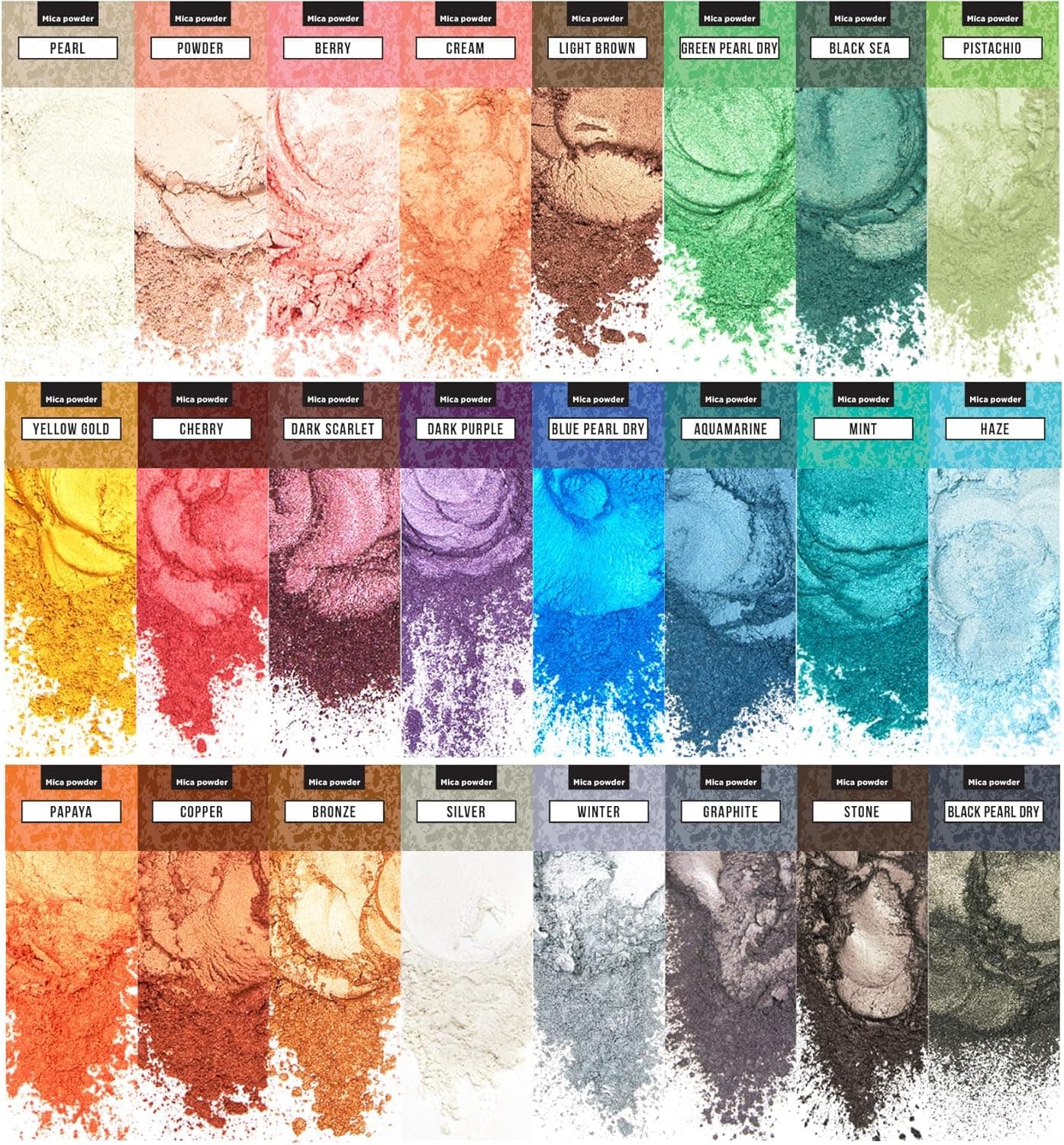
Soap Colorant Chart: Mica, Oxides, Dyes and Natural Colors Compared
Soap colorants compared: mica, oxides, titanium dioxide, dyes, liquid colors, clays and charcoal, with typical usage per pound and which hold up in cold process.
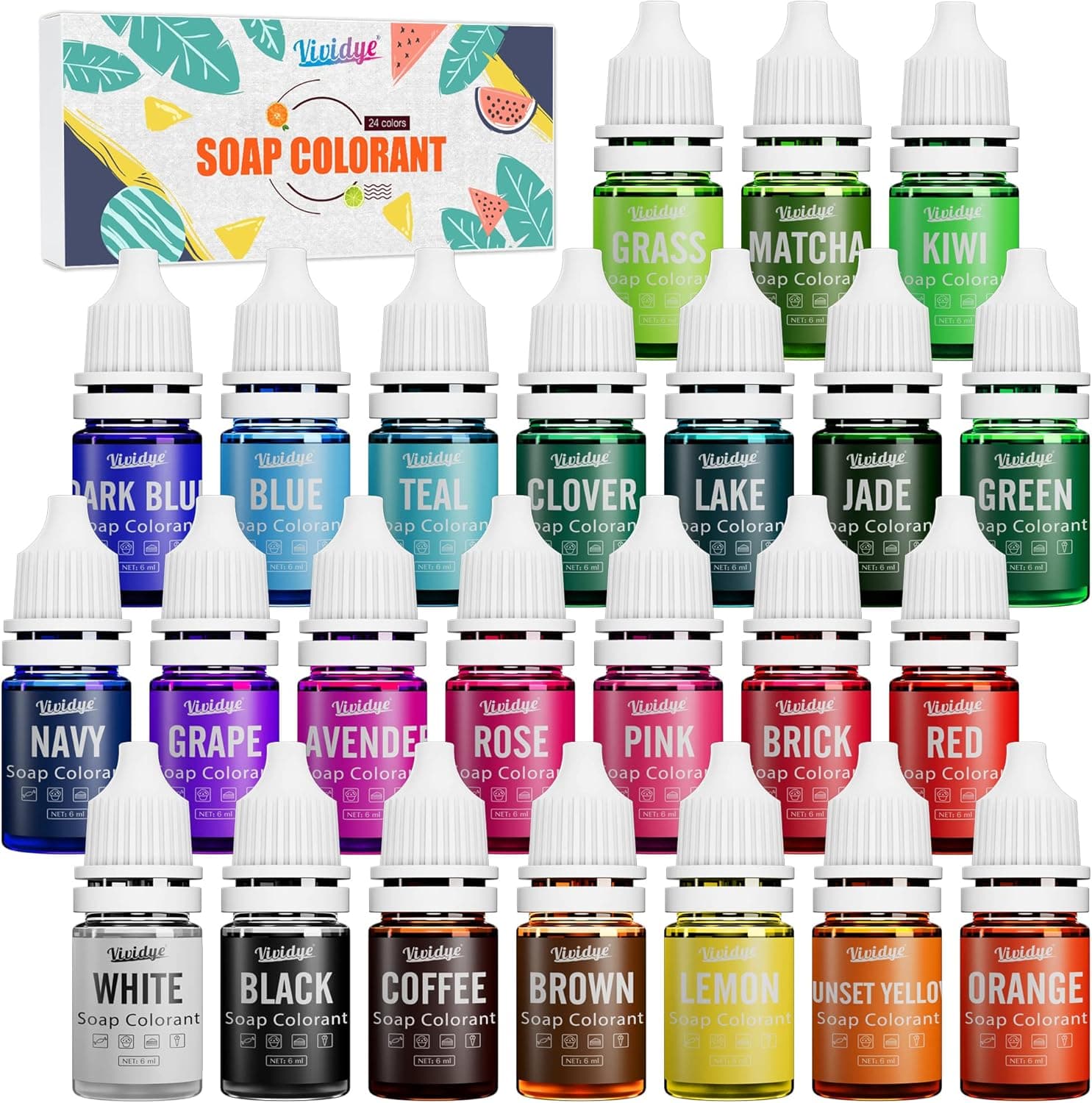
Can You Use Food Coloring in Soap?
Food coloring works in melt and pour soap but bleeds and fades, and often morphs in cold process. When it is fine, how much to use and what to use instead.

Hot Process Soap Stages, From Trace to Vaseline
The stages of hot process soap in order: trace, bubbling edges, separation, applesauce, mashed potatoes and vaseline, plus how to tell when the cook is done.
Soap Making Oil Chart
Saponification chart with NaOH SAP values for coconut, olive, palm, shea, castor and 5 more oils, plus what each adds to hardness, lather and conditioning.

Easy Melt and Pour Soap Projects for the Holidays
Simple melt and pour soap ideas for holiday gifts, from peppermint layers and embedded ornaments to snowflake moulds, with timing and safety tips.
How to Prevent Orange Spots on Homemade Soap
Orange or brown spots with a stale smell are a sign of rancid oils, often called dreaded orange spots. Causes, prevention and what to do with affected bars.
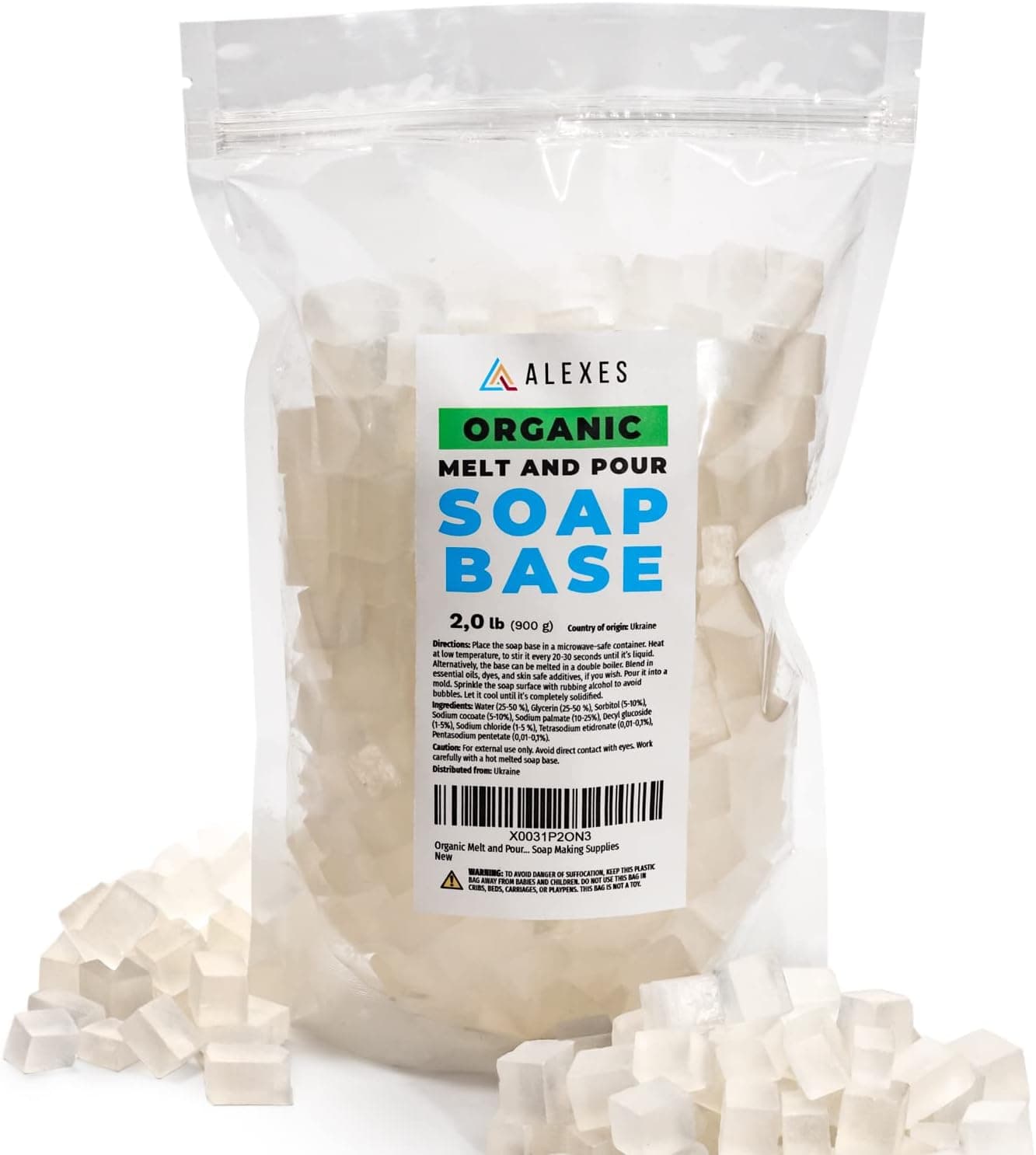
How to Stop Melt and Pour Soap From Sweating
Tiny water droplets on melt and pour soap are glycerin dew. Why glycerin soap attracts moisture in humid weather and how to wrap, store and prevent it.
How to Prevent and Remove Soda Ash on Cold Process Soap
A chalky white layer on top of fresh cold process soap is soda ash. Why it forms, whether it is harmful and how to prevent or clean it off your bars.
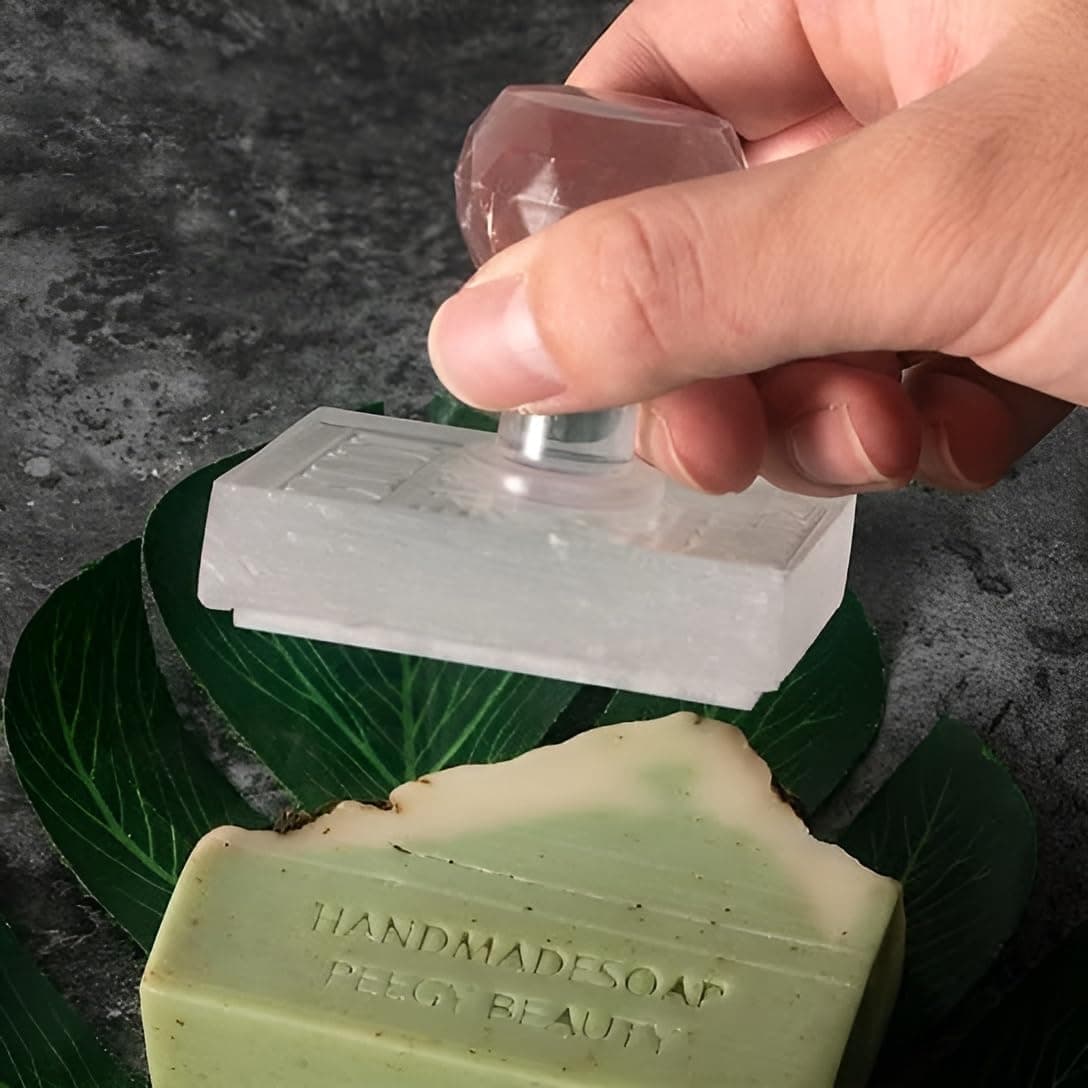
Gifting Handmade Soap
Learn how to give handmade soap as a gift. Discover presentation ideas, pairing bars into sets, seasonal themes, and tips so your homemade soap delights recipients.
Common Soap Making Mistakes and How to Avoid Them
Learn the most common soap making mistakes and how to fix them. Covers measuring errors, temperature issues, over-blending, bad fragrance choices, and rushing the cure.
Hot Process Soap Basics
Learn hot process soap basics. Understand how cooking speeds saponification, the rustic texture, adding fragrance after the cook, and how it differs from cold process.
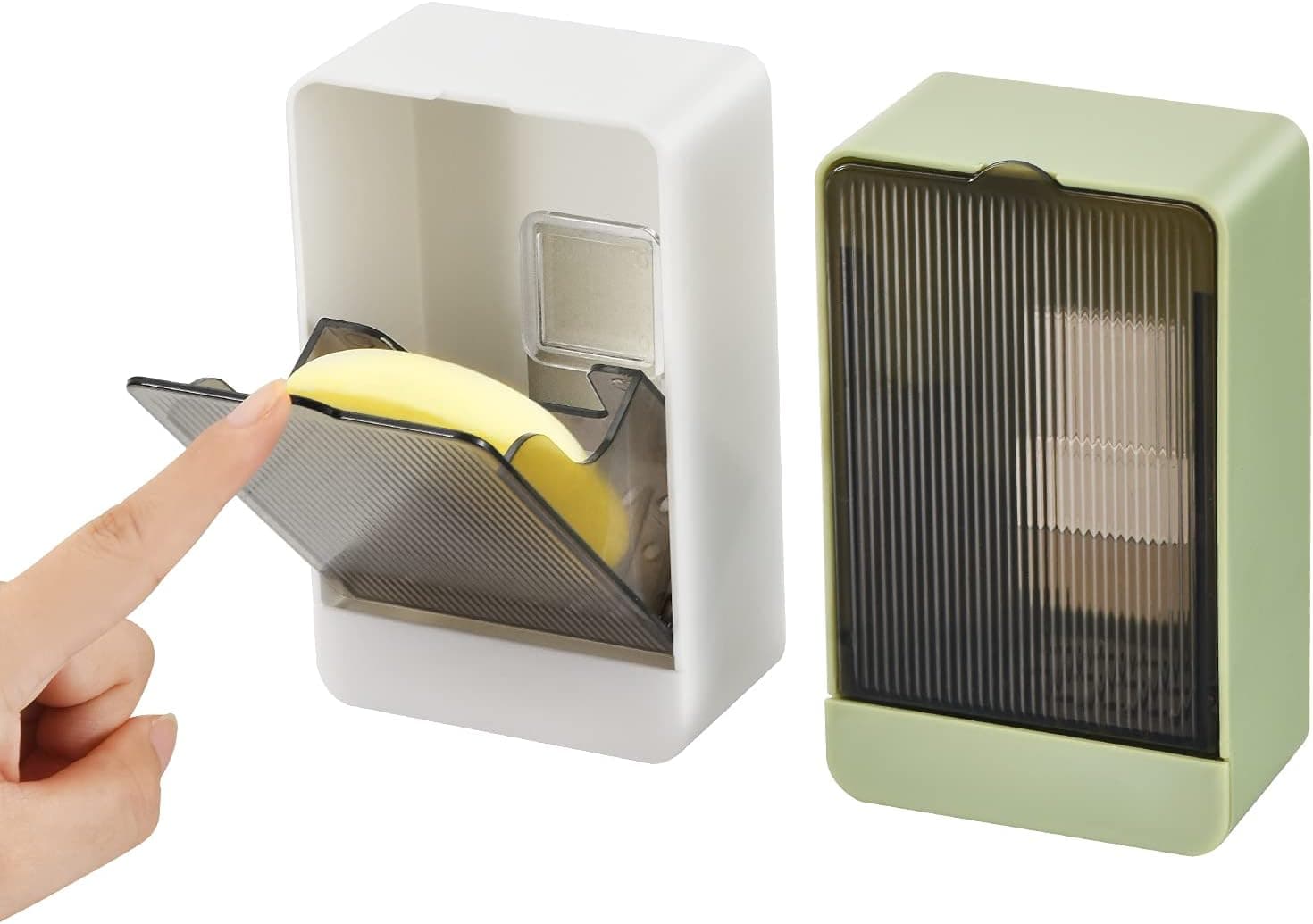
Shelf Life of Soap
Learn about the shelf life of handmade soap. Understand rancidity, dreaded orange spots, the role of oils and storage, and how to keep bars fresh for longer.
Packaging Handmade Soap
Learn how to package handmade soap. Covers breathable wraps, labeling requirements, sustainable materials, and presentation ideas that protect bars and sell them.
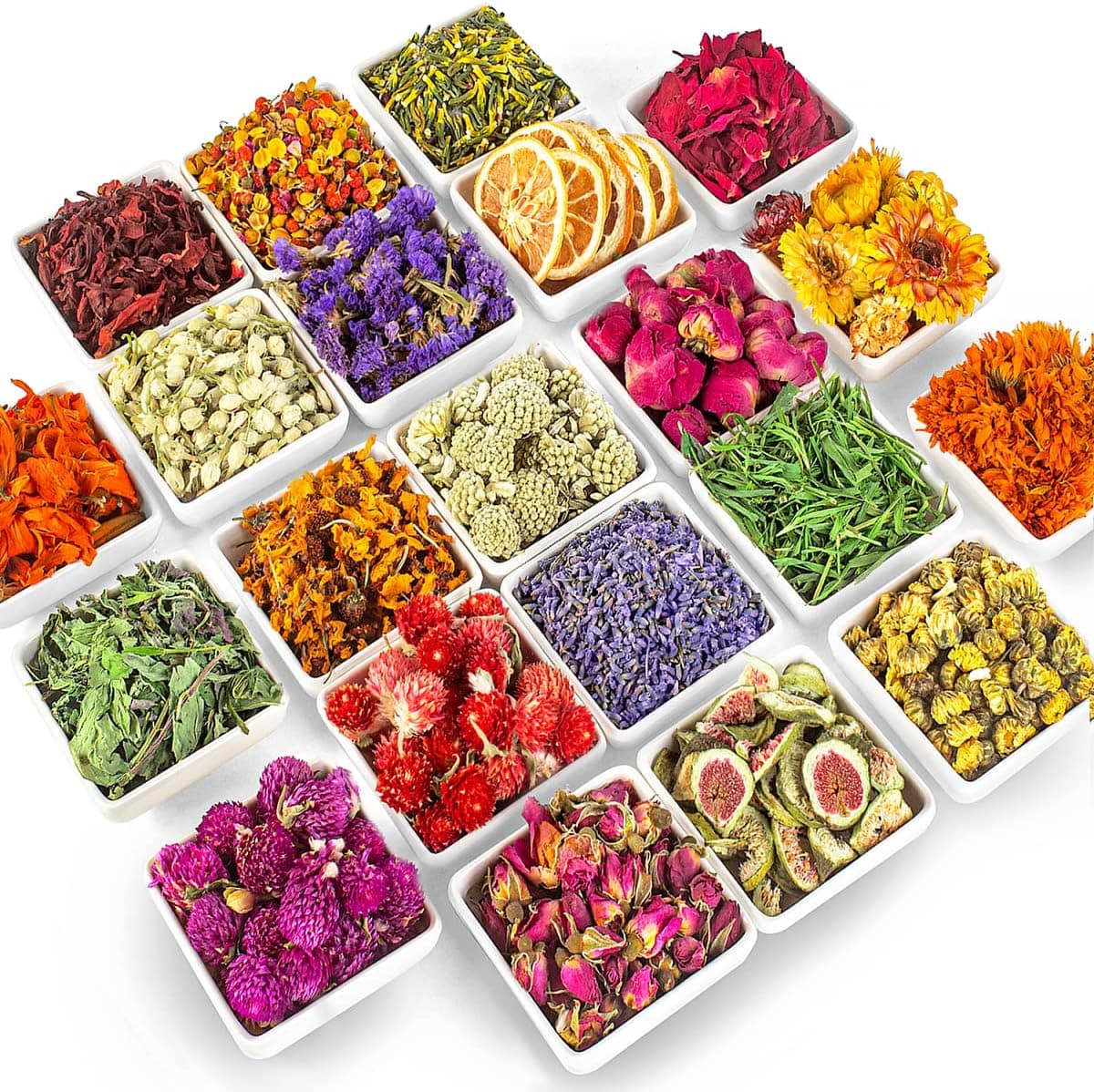
Embedding Objects in Soap
Learn how to embed objects in soap. Covers soap embeds, toys, botanicals, and dried flowers, plus how to bond layers and avoid rot, bleeding, and air gaps.
Layering and Swirls in Soap
Learn soap layering and swirl techniques. Covers in-the-pot swirls, hanger swirls, layers, and trace control so you can create eye-catching handmade soap designs.
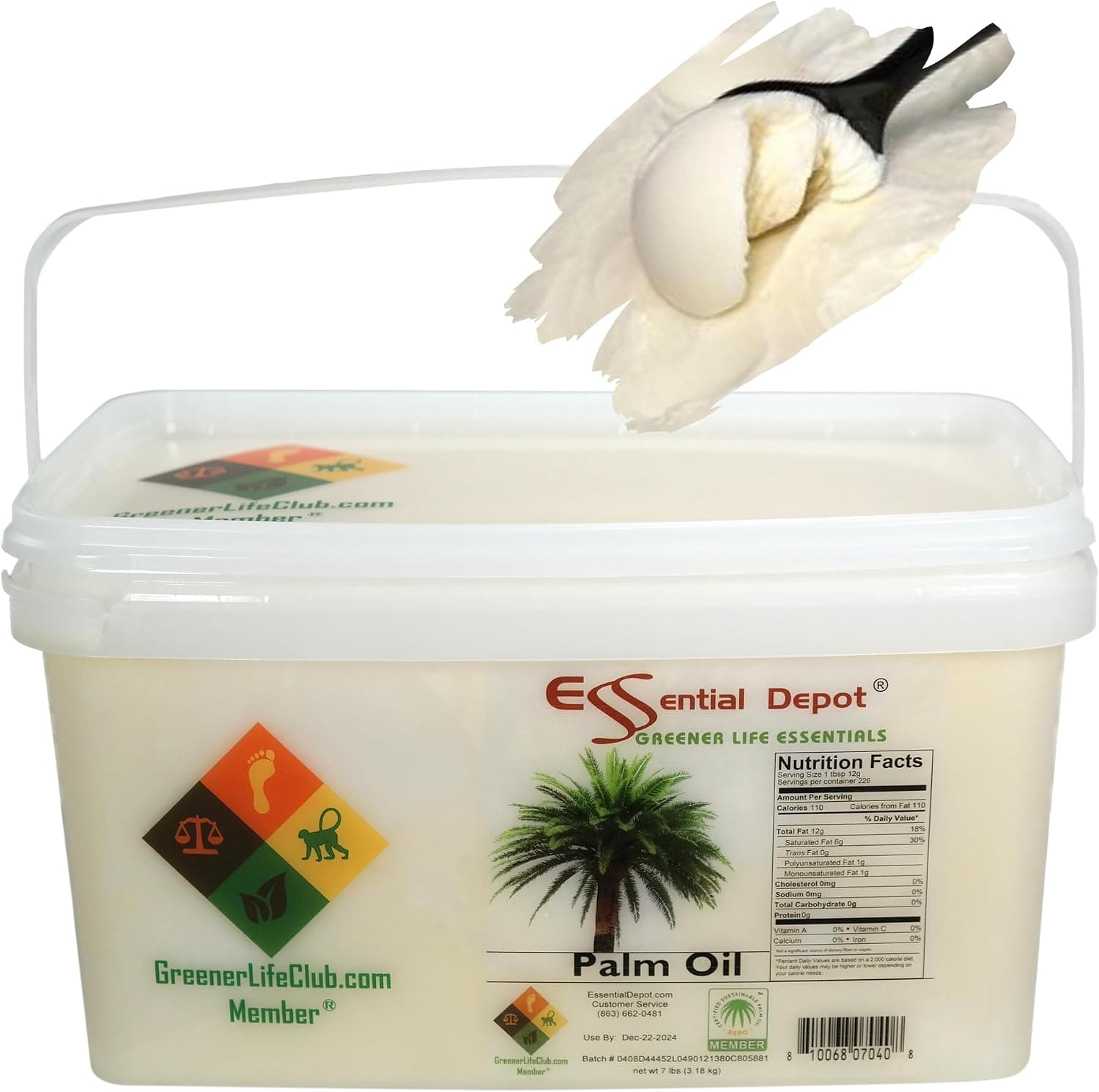
Palm-Free Soap Recipes
Learn how to make palm-free soap. Discover substitutes for palm oil, how to keep bars hard and long-lasting, and sample oil combinations for sustainable soap.
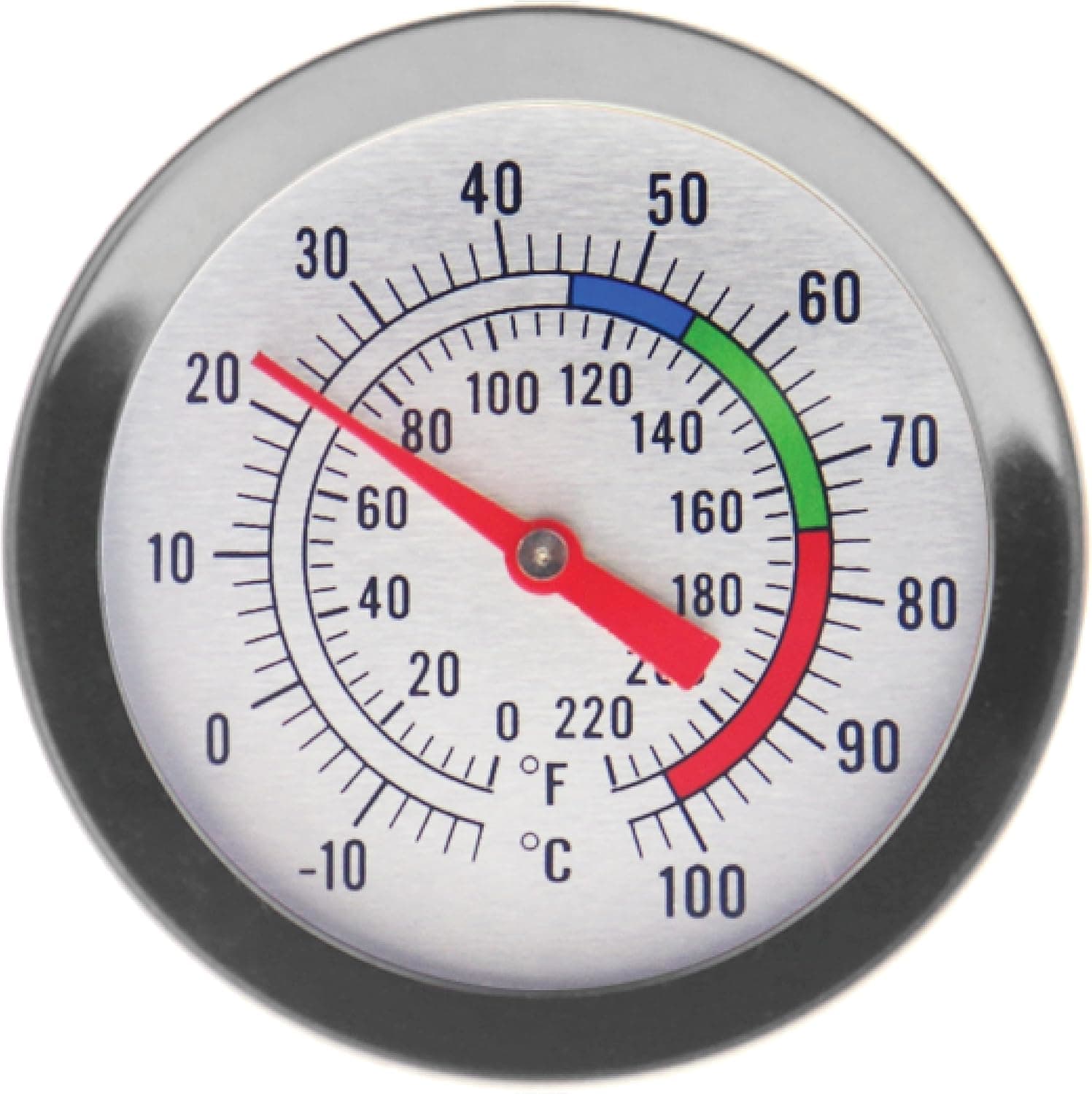
Calculating Lye and Saponification
Learn how to calculate lye for soap making. Understand SAP values, why every oil differs, using a lye calculator, and building safe, balanced cold process recipes.
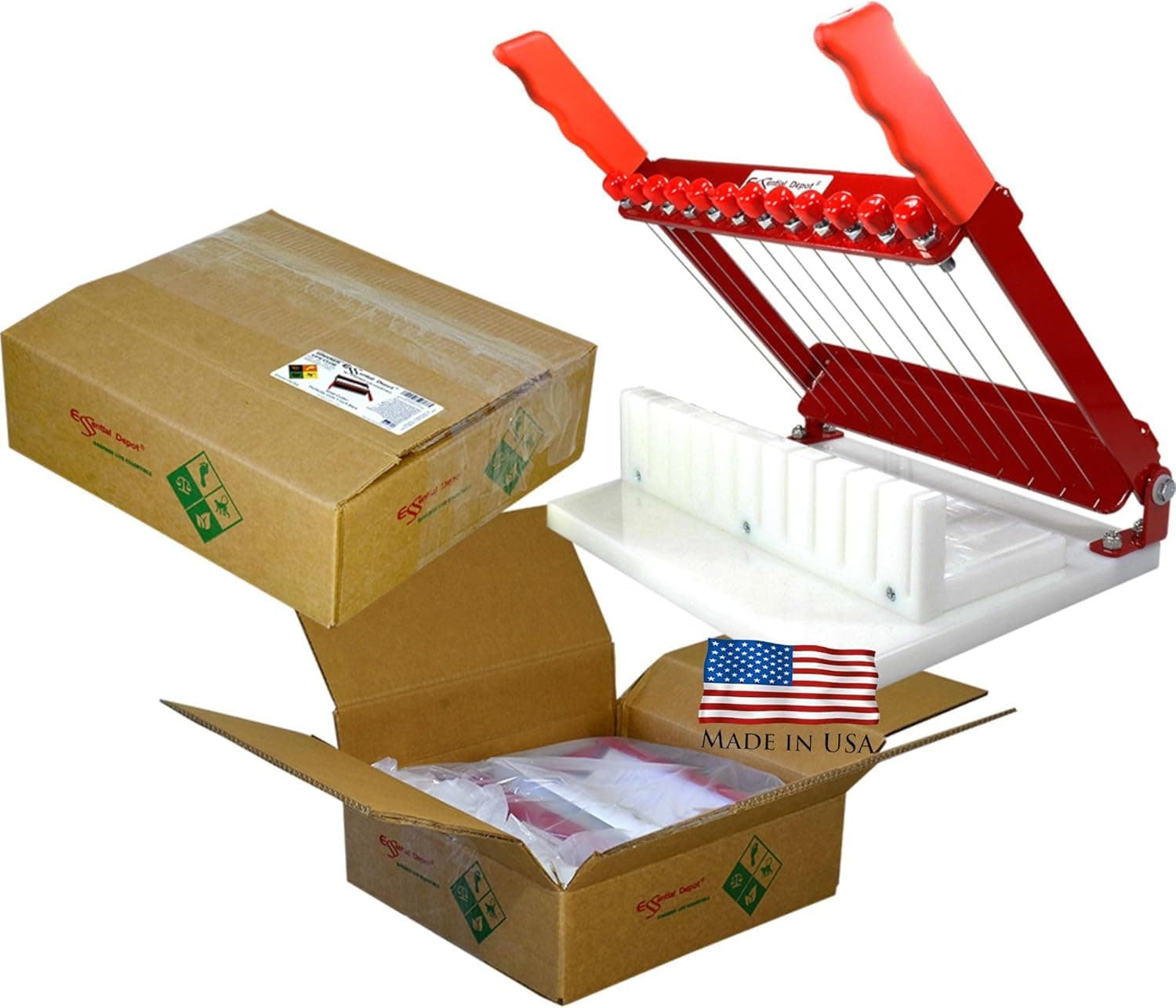
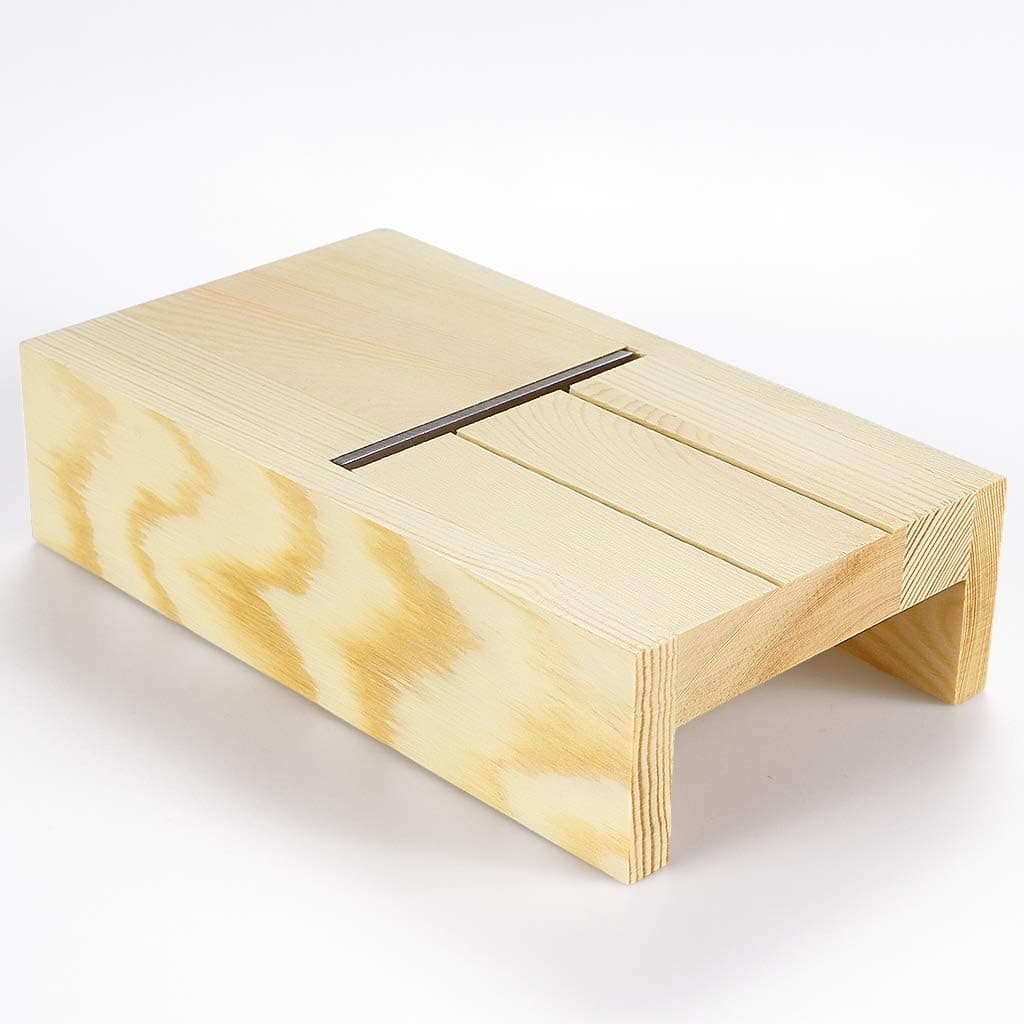
How to Cut Soap Bars
Learn how to cut soap bars evenly. Covers timing, straight vs wire cutters, avoiding drag lines and crumbling, and tips for smooth, professional-looking edges.
Troubleshooting Soap Seizing
Learn why soap seizes and how to prevent it. Understand fragrance acceleration, temperature, ricing, and rescue options so your batter stays workable in the mold.
Exfoliating Soap Additives
Explore exfoliating additives for soap making. Compare oatmeal, coffee, seeds, salt, and clays, with tips on amounts and grit so your bars scrub without scratching.
Goat Milk Soap Basics
Learn the basics of making goat milk soap. Covers why milk soap is prized, keeping it cool to prevent scorching, freezing the milk, and managing color and heat.
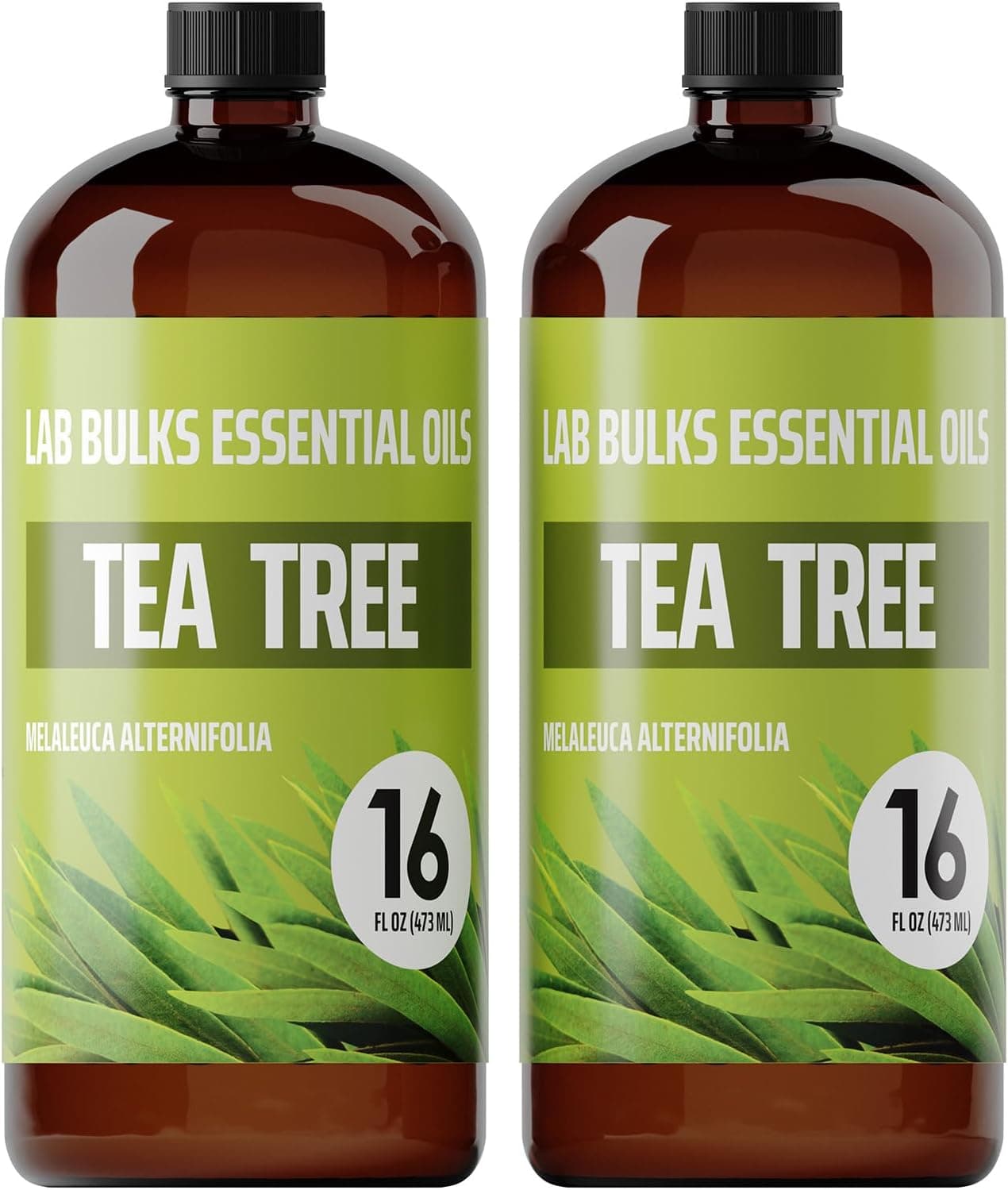
Essential Oils in Soap
Learn how to use essential oils in soap making. Covers usage rates, which oils stick through cure, blending for staying power, and safe skin-friendly amounts.
Trace Explained
Learn what trace means in soap making. Understand light, medium, and thick trace, how to recognize each stage, and how to time color, fragrance, and pouring.
Superfatting Explained
Understand superfatting in soap making. Learn how leftover free oils condition skin, typical superfat percentages, and how to balance mildness with a long-lasting bar.
Curing Cold Process Soap
Learn why curing cold process soap matters. Understand the four to six week cure, how it hardens bars, improves lather, and the best conditions for curing soap.
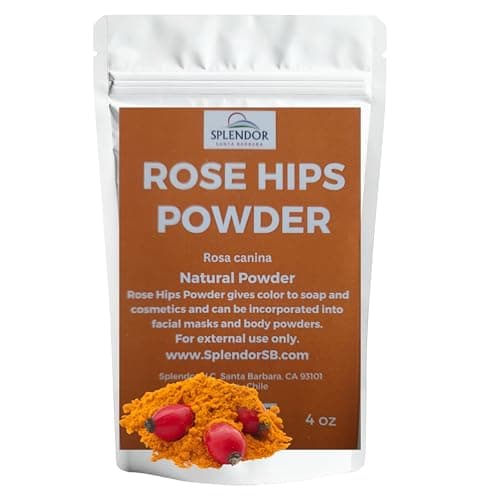
Natural Soap Colorants
Discover natural soap colorants from clays, botanicals, and spices. Learn which ingredients give reliable earthy tones and how to use them in cold process soap.
Coloring Soap With Mica
Learn how to color soap with mica powders. Covers dispersing mica, avoiding clumps, morphing colors, and getting vibrant swirls in cold process and melt and pour.
Choosing Fragrance Oils for Soap
Learn how to choose fragrance oils for soap making. Understand skin-safe ratings, flashpoints, acceleration, discoloration, and usage rates for reliable scented bars.
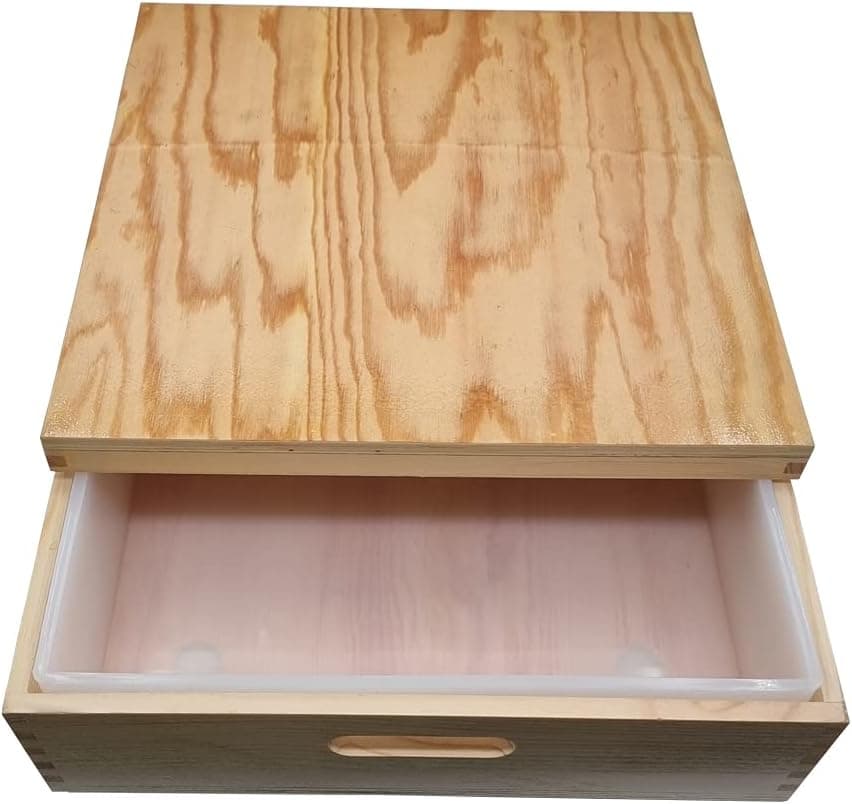
How to Use a Soap Mold
Learn how to use soap molds like a pro. Compare silicone, wood, and plastic molds and get practical tips for pouring, curing, and releasing your bars cleanly.
Working Safely With Lye
Learn how to handle lye safely when making soap. Covers protective gear, mixing order, ventilation, spill response, and storage so you can work with confidence.
Soap Making for Beginners
A friendly beginner's guide to soap making. Learn the basic methods, essential supplies, and first-batch tips so you can make your own handmade soap with confidence.
Melt and Pour vs Cold Process Soap
Compare melt and pour vs cold process soap making. Learn the differences in time, cost, safety, and customization to pick the right method for your skill level.