Exfoliating Soap Additives
Published How we research
Ground oatmeal is a classic gentle exfoliant, soothing and mild, while coffee grounds give stronger scrub and neutralize odors, making them a favorite kitchen bar. Seeds like poppy or ground apricot kernels offer robust, sometimes aggressive scrubbing for hardworking bars. Salt bars are a special case, creating a firm spa-like feel but requiring recipe adjustments since salt inhibits lather. Clays and pumice sit at opposite ends of gentle to heavy-duty grit. A general guideline is about one tablespoon of exfoliant per pound of oils, tested on skin before selling. Exfoliating soap gives skin a satisfying scrub while it cleanses, sloughing away dead cells and leaving a fresh, smooth feel. Adding exfoliants to your bars is one of the easiest ways to expand your product line and appeal to customers who love a spa-like experience. The key is choosing the right additive at the right amount, because the difference between pleasant exfoliation and painful scratching comes down to grit and quantity.
Products from this article
The highest-scoring picks from the buying guides this article links to. Scores are our editorial assessment, not customer ratings.
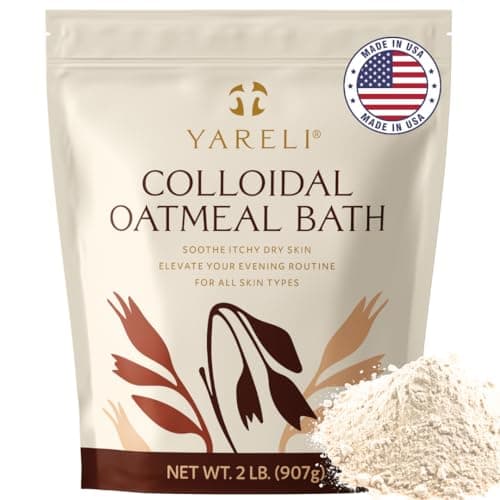
+ 32 oz bag gives better value than smaller oatmeal pouches
From our guide: Best Oatmeal for Soap Making
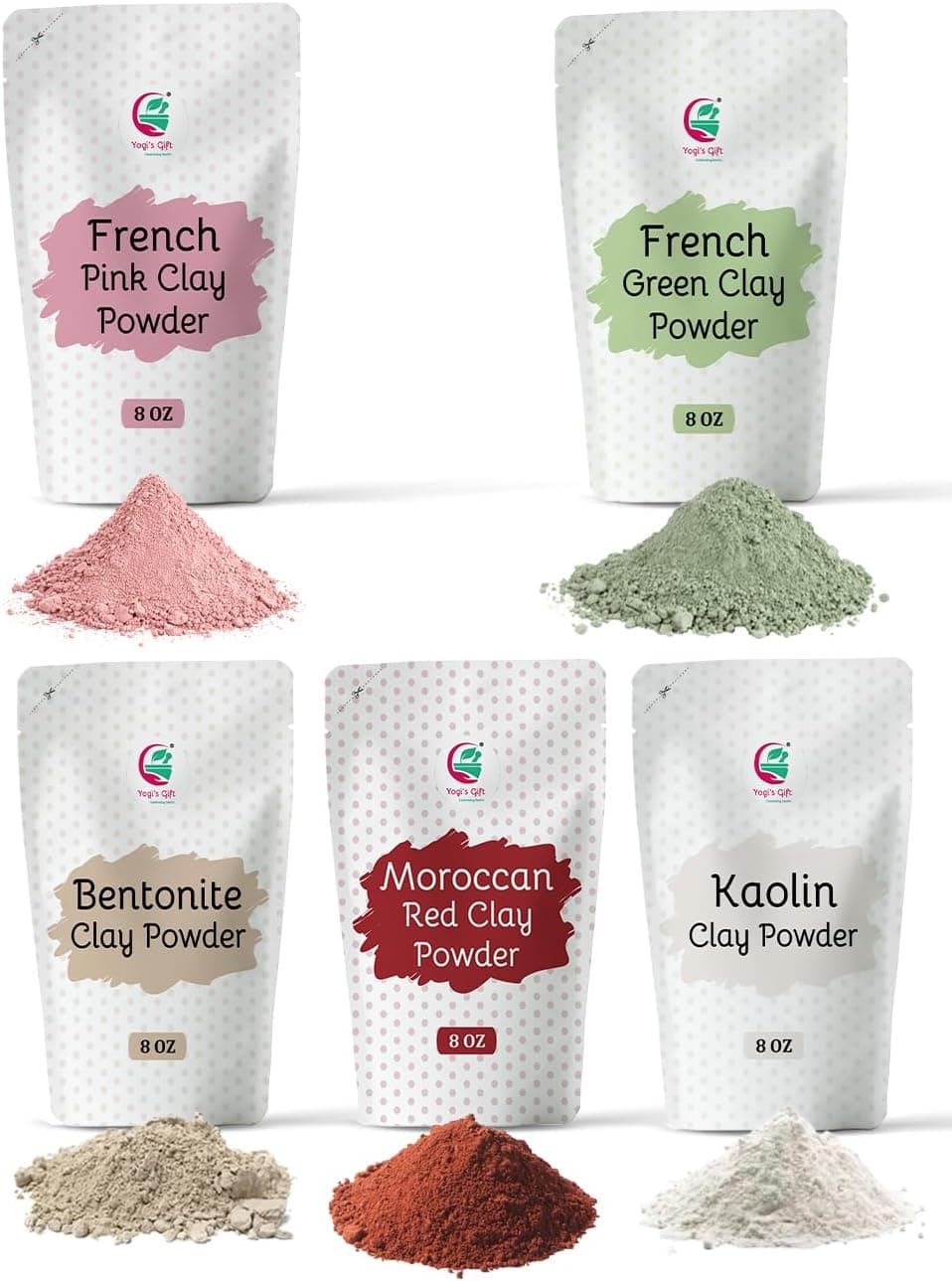
+ 5 clays at 8oz each give plenty for many soap batches
From our guide: Best Natural Additives for Soap
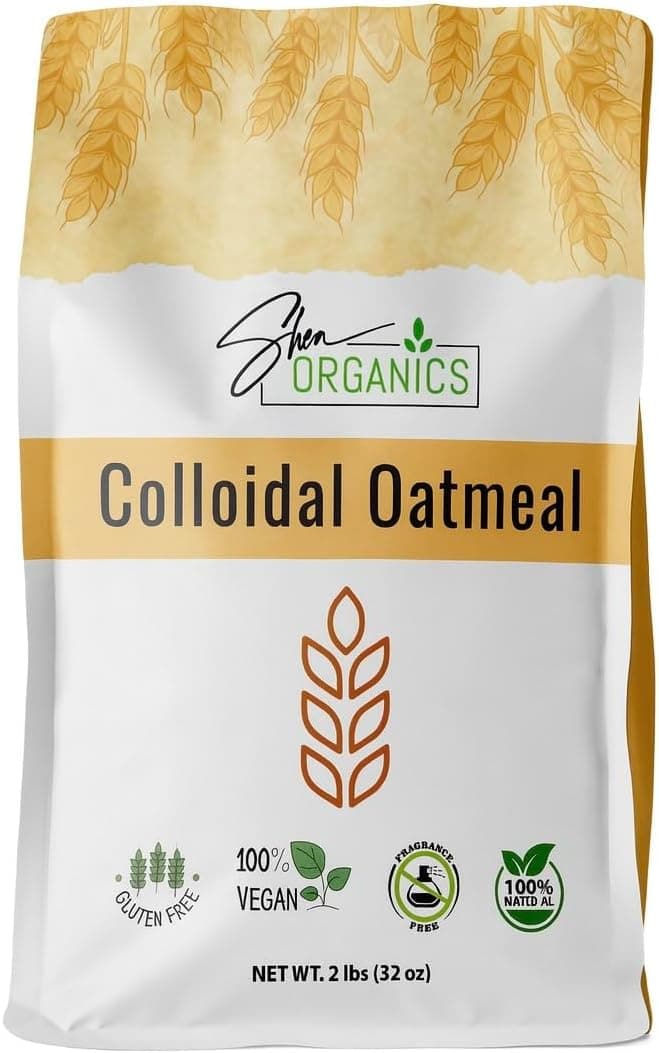
+ Gluten-free labeling helps with allergy-aware soap products
From our guide: Best Oatmeal for Soap Making
+ 36pk gives more slices than the smaller loofah bundles in this guide
From our guide: Best Natural Additives for Soap
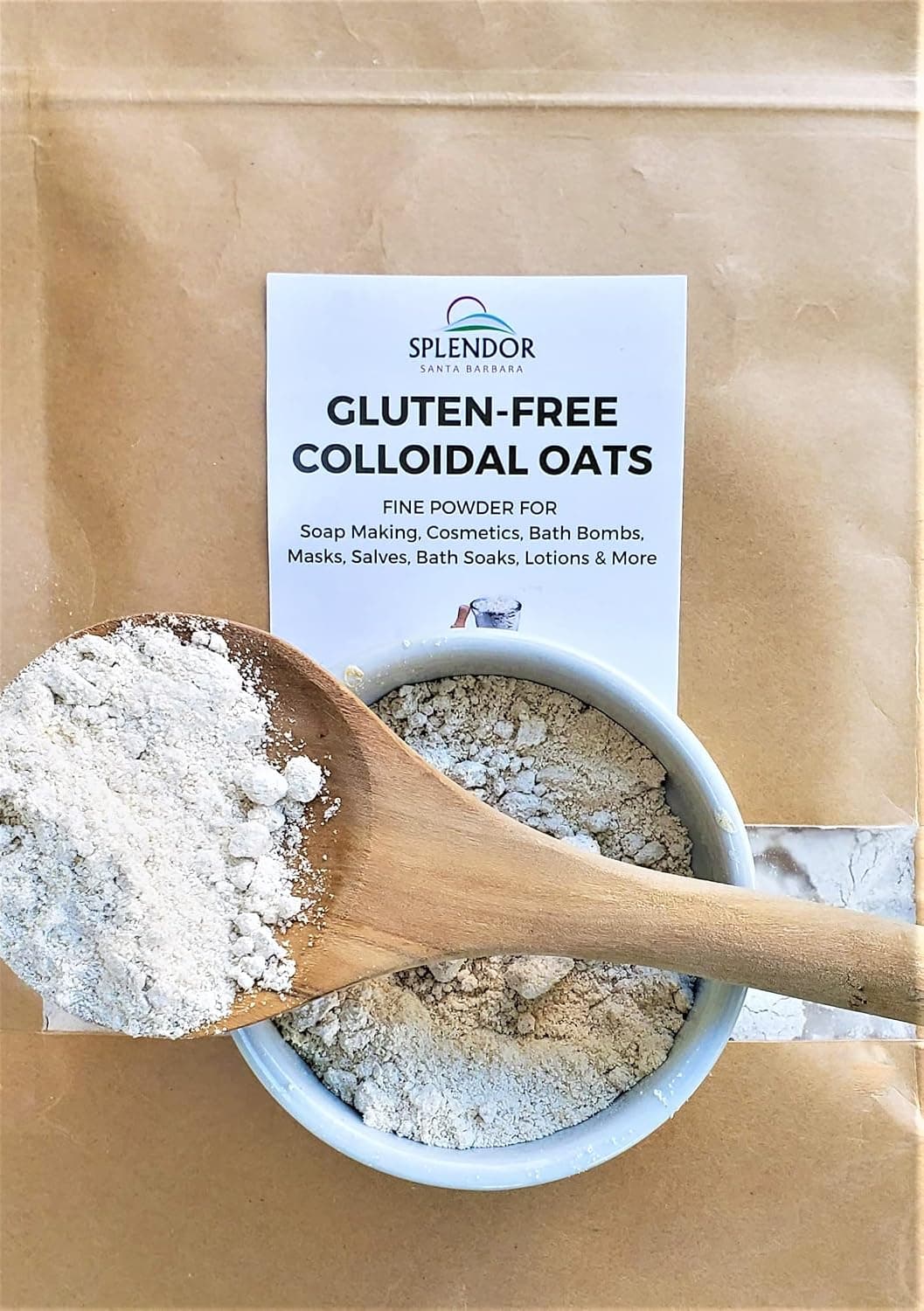
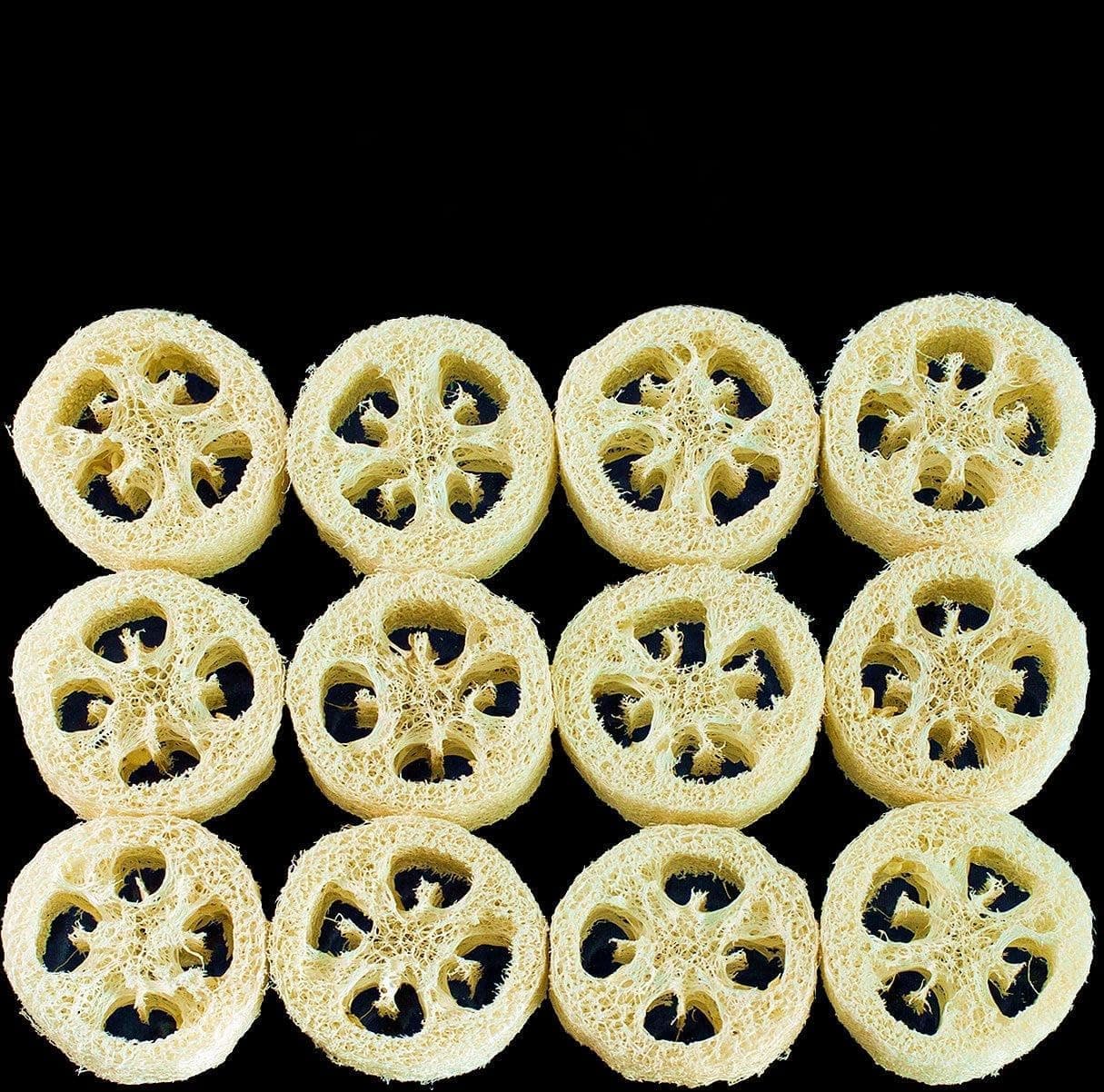
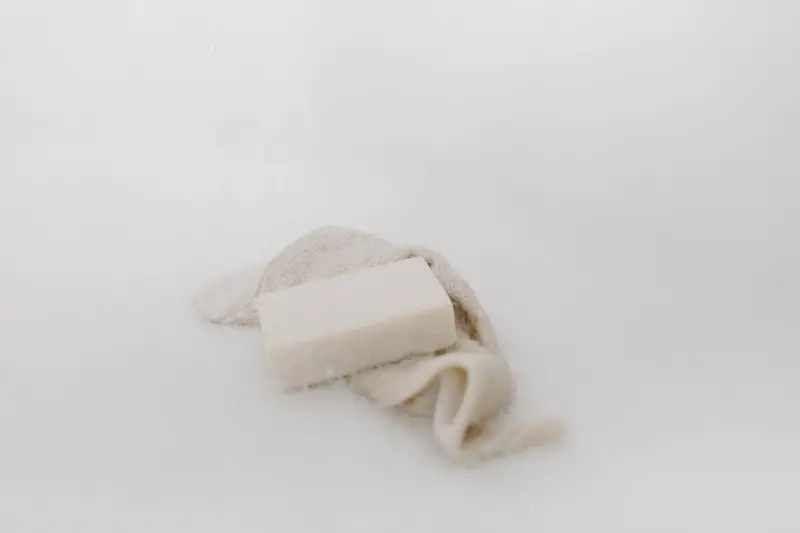
Ground oatmeal is a classic gentle exfoliant
Ground oatmeal is a classic gentle exfoliant and a wonderful starting point. Finely ground, it provides mild scrubbing along with a soothing, creamy quality that many people with sensitive skin adore. Colloidal oatmeal, which is very finely milled, offers softness with barely any grit, while coarser oats give more texture. Oatmeal soap has broad appeal and a comforting, wholesome image that sells well.
Coffee grounds bring stronger exfoliation and odor control
Coffee grounds bring stronger exfoliation and a functional bonus: they are excellent at neutralizing odors, making coffee soap a favorite kitchen bar for removing garlic or fish smells from hands. Used coffee grounds work perfectly and add speckled visual interest. Be aware that coffee grounds vary in coarseness, so a fine grind exfoliates gently while a coarse one can be quite scratchy. Start modestly and adjust to taste.
Seeds and botanical bits offer robust scrubbing
Seeds and botanical bits like poppy seeds, ground apricot kernels, or crushed loofah offer robust scrubbing for hardworking bars. Poppy seeds provide small, gentle points of texture and a pretty speckled look, while apricot or walnut shell powders scrub aggressively for gardeners' and mechanics' soaps. Because these are firmer, use them sparingly and consider whether the intended user wants heavy-duty exfoliation or a light polish.
Salt is a special case that deserves its own mention
Salt is a special case that deserves its own mention. Salt bars, made with a high percentage of salt, create a hard, spa-like bar with a unique smooth-yet-firm feel rather than a scratchy one. However, salt inhibits lather and reacts with the batter, so salt soap requires recipe adjustments, typically a high coconut oil content for lather and unmolding while still warm because salt bars harden fast. Treat salt bars as their own project rather than a simple additive.
Clays and pumice sit at opposite ends of texture
Clays and finely milled powders provide the gentlest exfoliation of all, closer to a polish than a scrub. Pumice, on the other hand, delivers serious grit for heavy-duty hand soaps. Between these extremes you can dial in almost any texture. When adding any exfoliant, a general guideline is roughly one tablespoon per pound of oils, adjusted for how much scrub you want, and stir it in at trace so it distributes evenly.
Test the finished bar before deciding on use
However you exfoliate, test the finished bar on your own skin before selling it, and consider where it will be used. A face bar wants soft, fine exfoliation, while a garden or workshop bar can handle coarse grit. Distribute additives evenly, watch that heavier particles do not all sink to the bottom of the mold, and label the exfoliant clearly. With a small collection of scrubbing ingredients you can offer everything from a soothing oatmeal face bar to a rugged coffee scrub.
Frequently asked questions
What is the gentlest natural exfoliant for soap? Ground oatmeal, especially finely milled colloidal oatmeal, provides mild scrubbing along with a soothing, creamy quality good for sensitive skin.
Why do soap makers add coffee grounds to bars? Coffee grounds bring stronger exfoliation and are excellent at neutralizing odors, making coffee soap a favorite kitchen bar for removing garlic or fish smells from hands.
Why do salt bars need a different soap recipe? Salt inhibits lather and reacts with the batter, so salt bars typically need a high coconut oil content for lather and must be unmolded while still warm since they harden fast.
How much exfoliant should I add to soap? A general guideline is roughly one tablespoon per pound of oils, adjusted for how much scrub you want, stirred in at trace so it distributes evenly.
Popular right now
- Best Melt and Pour Soap BaseBuying guide
- Best Shea Butter for Soap MakingBuying guide
- Choosing Fragrance Oils for SoapArticle
- Embedding Objects in SoapArticle
- Best Natural Soap Colorants From Clays and BotanicalsBuying guide
- How to Use a Soap MoldArticle
Based on the last 28 days of search and visitor data.