Superfatting Explained
Published How we research

Superfatting means deliberately using more oil than the lye can fully convert to soap, leaving free, unsaponified oil that conditions skin. A range of five to eight percent is typical for a balanced bar, ensuring no leftover lye while adding a moisturizing feel. The right percentage depends on purpose: higher for gentle facial or baby bars, lower for hardworking kitchen or laundry soap. Higher superfat means more conditioning but softer soap, less lather, and shorter shelf life, since free oils can eventually go rancid. Set your superfat consciously using a lye calculator rather than accepting a default. Superfatting is one of those soap making terms that sounds technical but rests on a simple, elegant idea. It means deliberately including more oil in your recipe than the lye can turn into soap, leaving a small percentage of free, unsaponified oil in the finished bar. Those leftover oils cling to your skin during washing, adding conditioning and a luxurious feel. Understanding superfatting lets you fine-tune exactly how gentle your soap is.
Products from this article
The highest-scoring picks from the buying guides this article links to. Scores are our editorial assessment, not customer ratings.
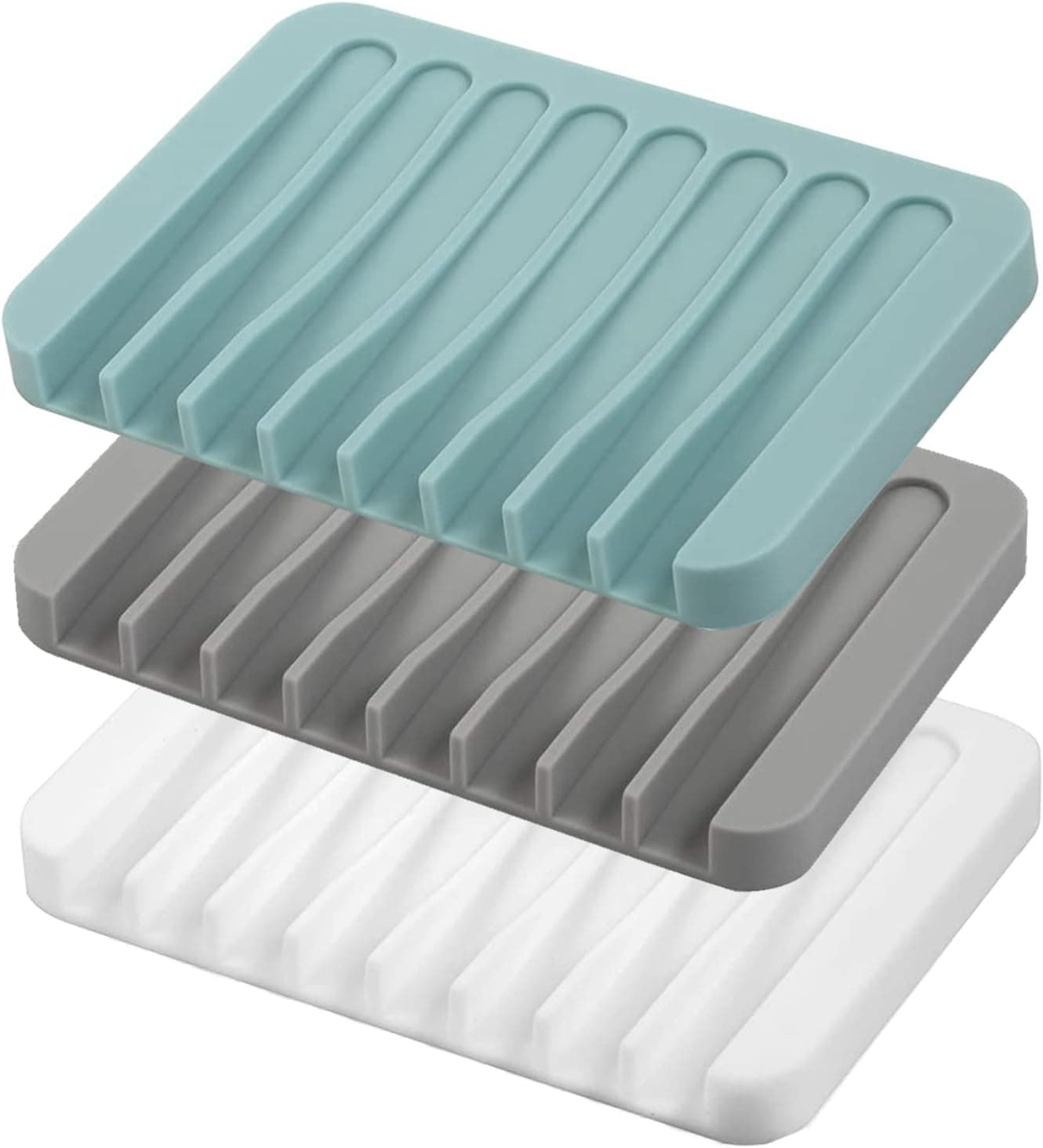
+ Waterfall design channels water off so soap lasts longer
From our guide: Best Soap Dishes for Long-Lasting Bars
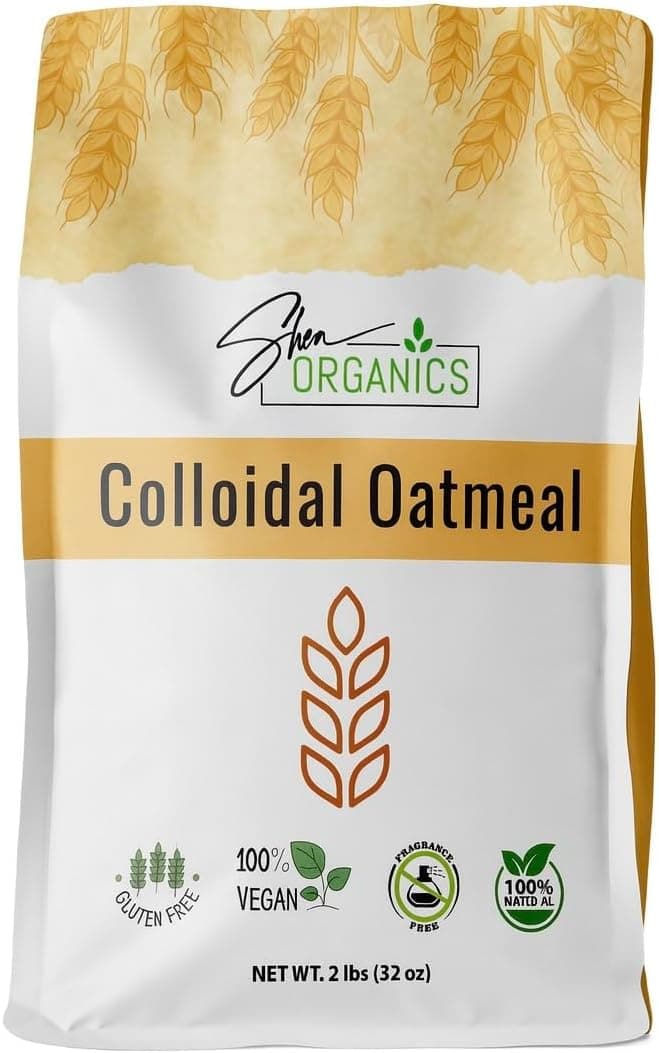
+ 32 oz bag gives better value than smaller oatmeal pouches
From our guide: Best Oatmeal for Soap Making
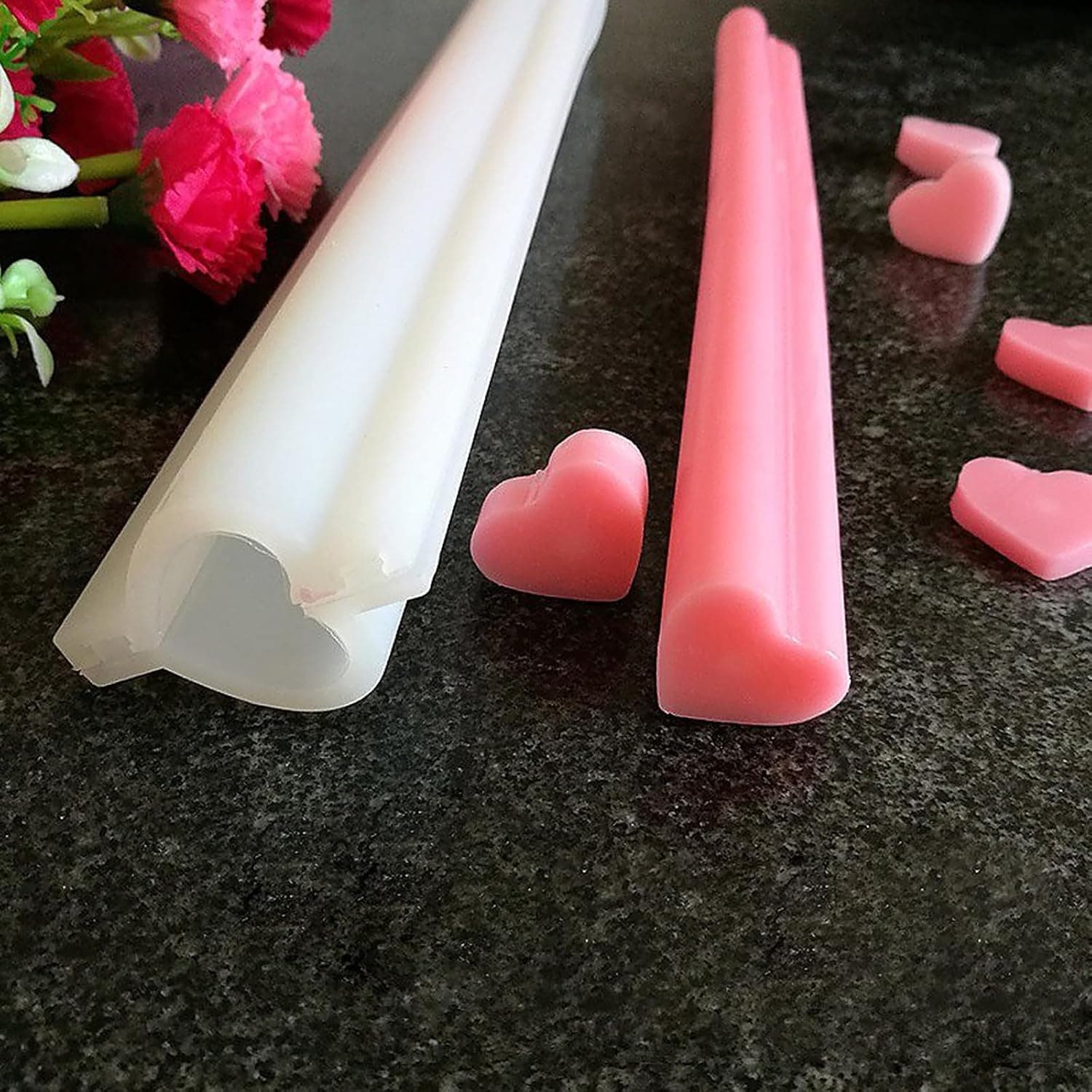
+ Heart embed shows a heart in every slice, ideal for Valentine bars
From our guide: Best Embed Soap Molds for Layered Soap Designs
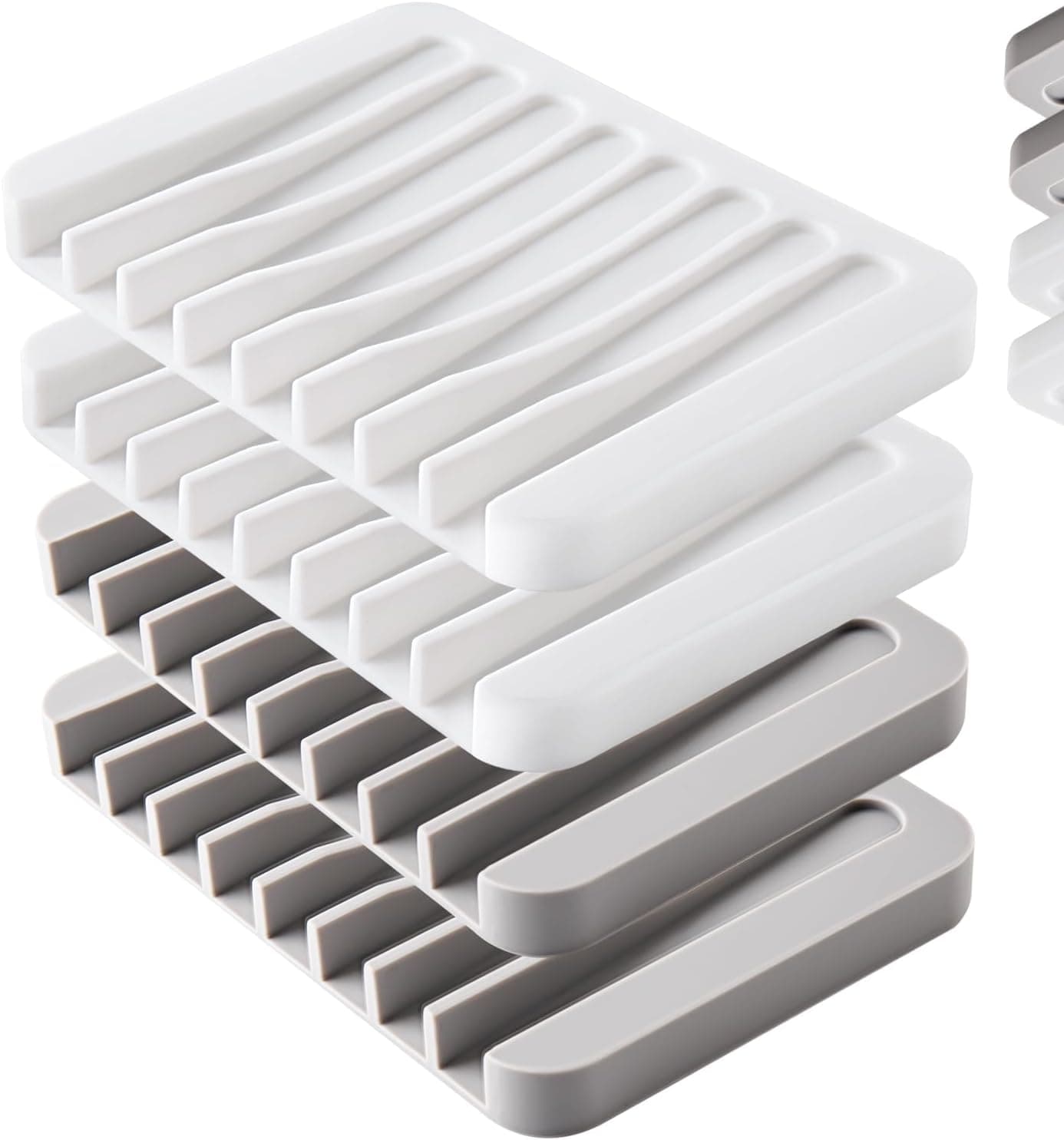
+ 4PCS set covers shower, sink and kitchen areas
From our guide: Best Soap Dishes for Long-Lasting Bars
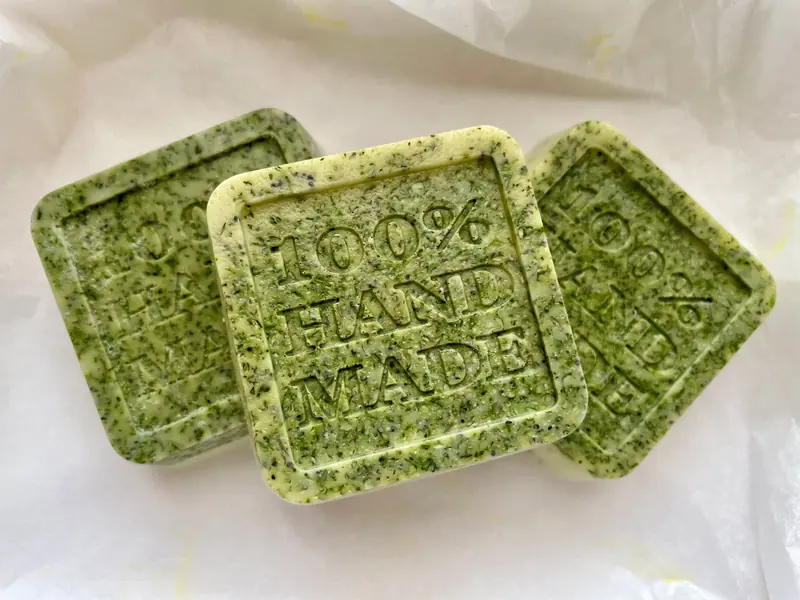
Understanding saponification is the starting point
To grasp superfatting you first need to understand saponification. When lye reacts with oils, each type of oil requires a precise amount of lye to convert fully into soap. A lye calculator tells you that exact amount. If you use slightly less lye than needed, or slightly more oil, some oil escapes the reaction and remains in the bar. That intentional surplus is your superfat.
A five to eight percent superfat is typical
Most soap makers express superfat as a percentage, and a range of five to eight percent is typical for a balanced bar. At five percent, roughly five percent of your oils remain free in the finished soap. This modest cushion ensures no leftover lye remains, which is important for safety, while providing a pleasant, moisturizing skin-feel. Going too low risks a harsh, potentially lye-heavy bar, so a small superfat is standard practice.
The percentage you choose depends on the soap's purpose
The percentage you choose depends on the soap's purpose. A gentle facial or baby bar might use a higher superfat around eight percent for extra mildness, while a hardworking kitchen or laundry soap might use just one or two percent so it cleans aggressively and lasts. Shampoo bars and shaving soaps also tend toward lower superfats. Matching superfat to intended use is a mark of a thoughtful formulator.
Superfatting involves real trade-offs
Superfatting does involve trade-offs. Higher superfat means a more conditioning bar, but it can also mean softer soap, reduced lather, and a shorter shelf life, since free oils can eventually go rancid. Lower superfat produces a harder, longer-lasting, more cleansing bar that may feel drying to sensitive skin. The art lies in balancing these factors for the experience you want to deliver.
You can choose which oils become your superfat
You can also choose which oils become your superfat, at least in hot process soap. Because saponification is largely complete before you add ingredients at the end, hot process makers can stir in a prized oil after the cook so more of it survives unsaponified. In cold process, the lye reacts with all oils somewhat indiscriminately, so you cannot precisely target which oil superfats, though the overall percentage still applies.
Set your superfat consciously, not by default
When you build a recipe, set your superfat consciously rather than accepting a default. Run your oils through a reliable lye calculator, choose a percentage suited to the bar's job, and note it in your records. Over time you will discover your personal preference, perhaps a slightly higher superfat for a silky feel or a leaner one for longevity. That single dial gives you remarkable control over the character of every bar you make.
Frequently asked questions
What percentage superfat is normal for handmade soap? A range of five to eight percent is typical for a balanced bar, ensuring no leftover lye remains while providing a pleasant, moisturizing skin feel.
Does higher superfat make soap last longer? No, the opposite. Higher superfat means more free oil left in the bar, which can shorten shelf life since that oil can eventually go rancid, while lower superfat produces a harder, longer-lasting bar.
What superfat percentage should I use for a baby or facial soap? A higher superfat around eight percent suits gentle facial or baby bars for extra mildness, while hardworking kitchen or laundry soap might use just one or two percent.
Can I target which oil becomes the superfat in soap? In hot process, yes, since saponification is largely complete before you stir in a prized oil at the end. In cold process, the lye reacts with all oils somewhat indiscriminately, so you cannot precisely target it.
Popular right now
- Best Melt and Pour Soap BaseBuying guide
- Best Shea Butter for Soap MakingBuying guide
- Choosing Fragrance Oils for SoapArticle
- Embedding Objects in SoapArticle
- Best Natural Soap Colorants From Clays and BotanicalsBuying guide
- How to Use a Soap MoldArticle
Based on the last 28 days of search and visitor data.