Palm-Free Soap Recipes
Published How we research
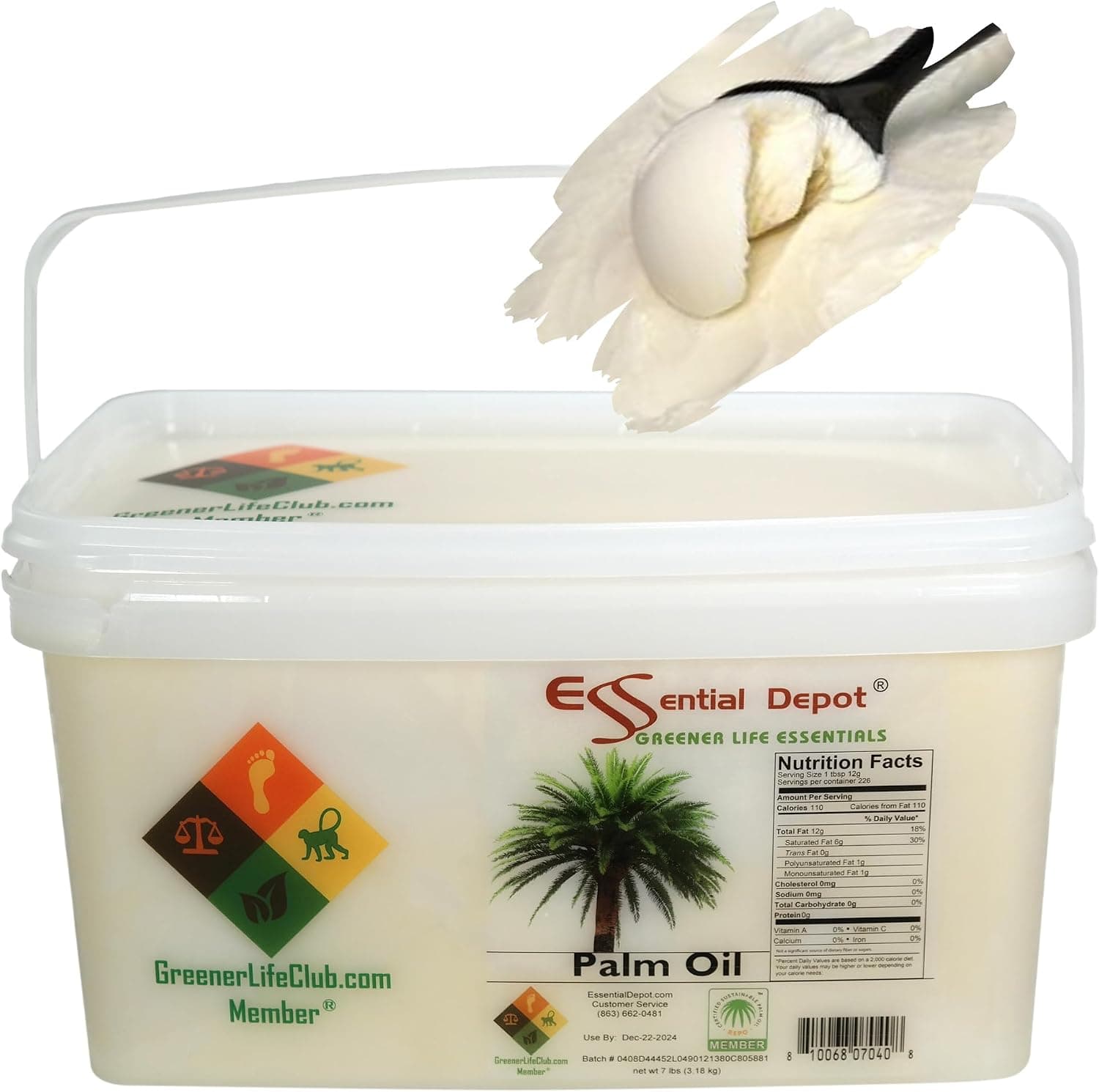
Palm oil is popular in soap making because it produces a hard, long-lasting bar with stable lather at an affordable price. Yet many makers choose to avoid it over concerns about deforestation and habitat loss linked to unsustainable palm production. Making excellent palm-free soap is entirely possible; it simply requires understanding what palm oil does in a recipe and how to replace those qualities with other ingredients.
Products from this article
The highest-scoring picks from the buying guides this article links to. Scores are our editorial assessment, not customer ratings.
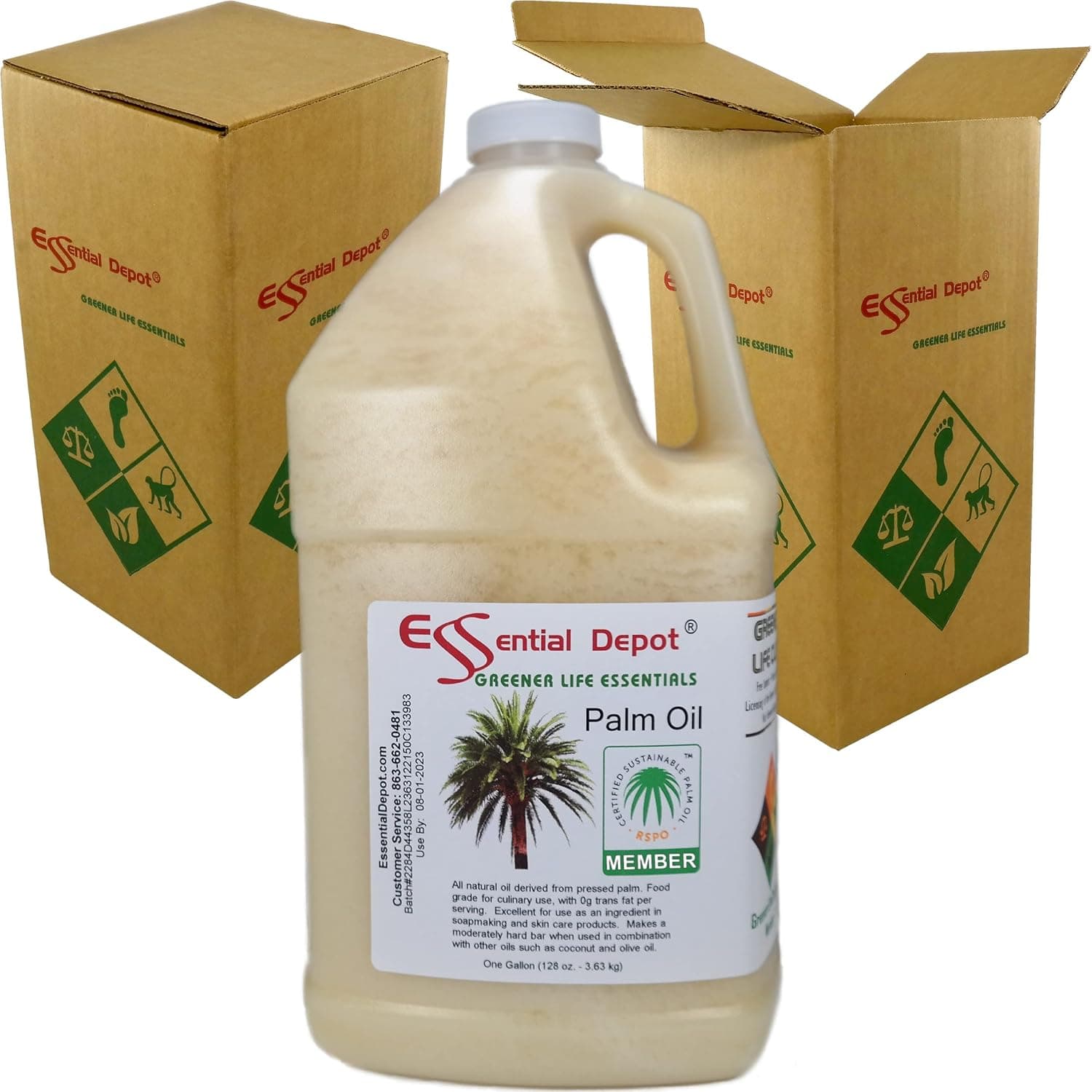
+ RSPO certification helps address palm oil sourcing concerns
From our guide: Best Palm Oil for Soap Making
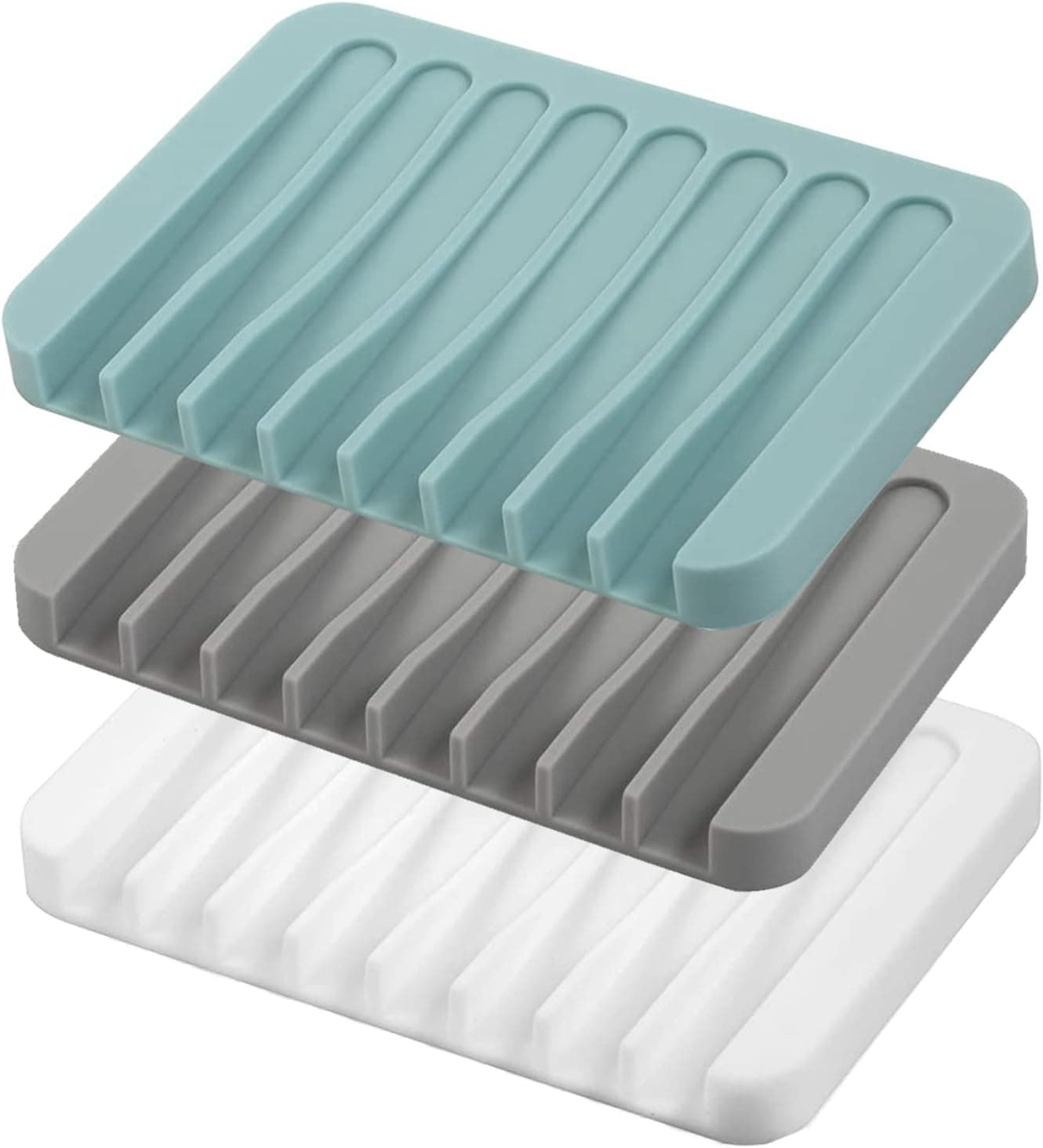
+ Waterfall design channels water off so soap lasts longer
From our guide: Best Soap Dishes for Long-Lasting Bars
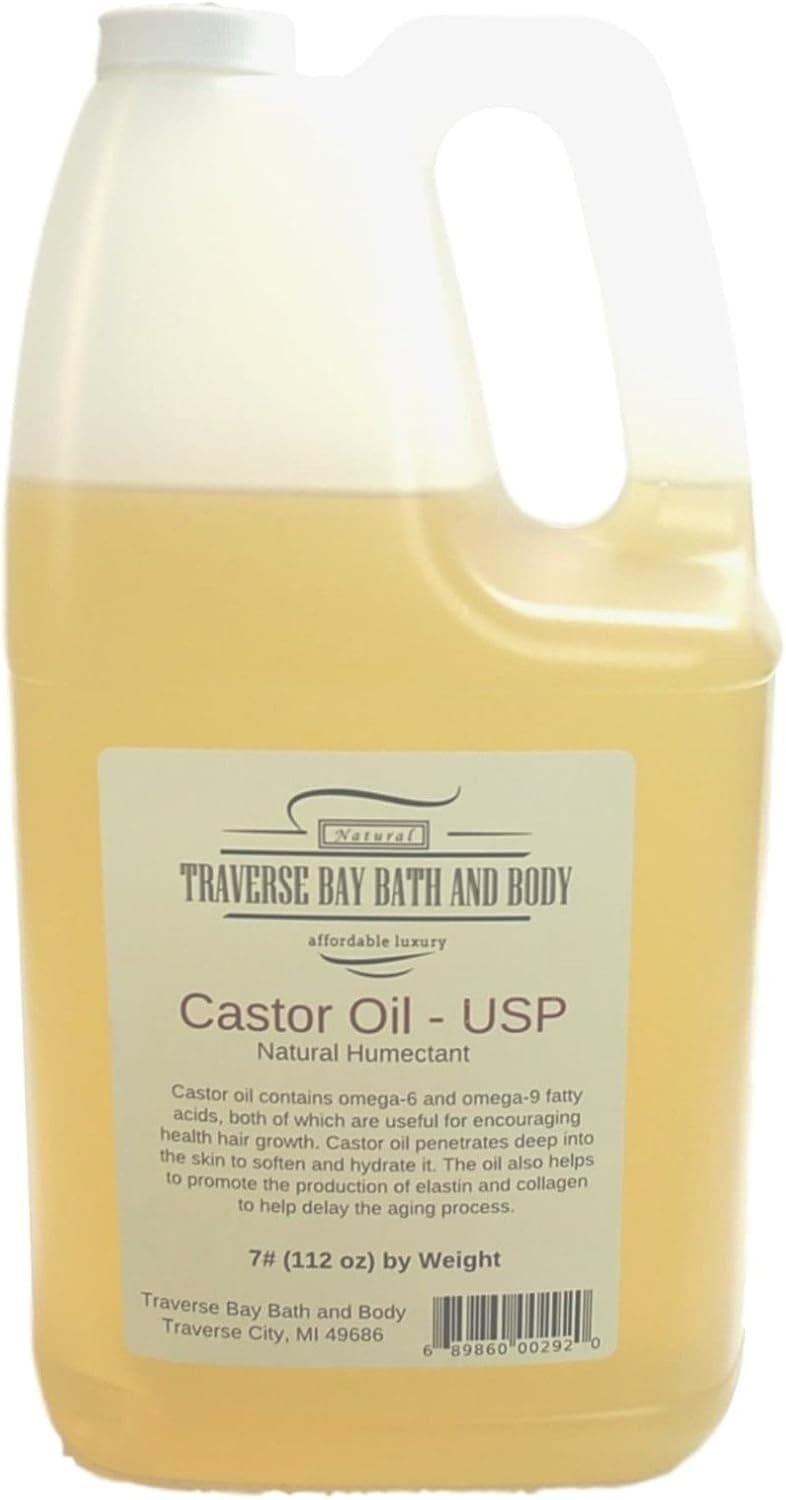
+ USP grade castor oil is high purity and suits cosmetic use
From our guide: Best Castor Oil for Soap Making
+ Not hydrogenated palm behaves as lye calculators expect for palm
From our guide: Best Palm Oil for Soap Making
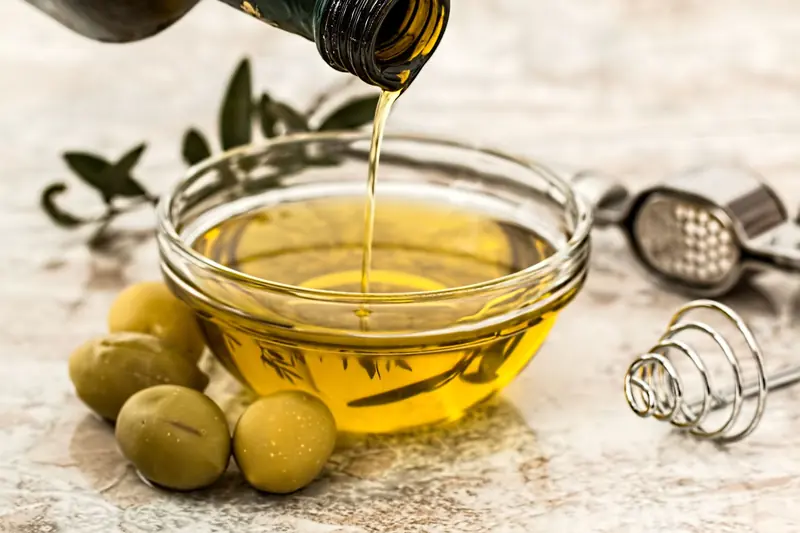
Palm oil contributes primarily hardness and a stable, creamy lather, thanks to its balance of fatty acids. When you remove it, your goal is to reproduce that hardness and lather stability using other hard oils and butters. The most common approach is to combine ingredients that each supply part of what palm provided, rather than searching for a single perfect replacement. Balance is the guiding principle.
For hardness, several ingredients work well. Tallow and lard, animal fats, are excellent palm substitutes that create hard, mild, long-lasting bars, which is why traditional soap relied on them for centuries. For those who want a vegetarian or vegan bar, cocoa butter and shea butter add hardness and conditioning, while a modest amount of coconut oil contributes both hardness and cleansing lather. Combining a butter with coconut oil covers much of palm's role.
Lather is the next consideration. Coconut oil provides abundant, bubbly lather but can be drying in large amounts, so it is usually kept to a moderate percentage. Castor oil, used in small quantities, boosts and stabilizes lather beautifully and pairs well in palm-free formulas. A touch of castor combined with coconut gives a rich, lasting foam without palm, keeping the bar pleasant and effective in the shower.
A reliable palm-free recipe might combine olive oil as the gentle, conditioning base, coconut oil for cleansing and bubbles, a hard butter like shea or cocoa for hardness, and a small amount of castor oil for lather stability. Many makers find that olive, coconut, and shea in balanced proportions with a little castor produce a bar nearly indistinguishable from a palm-based one. Vegan makers often lean on this combination.
Whichever substitutes you choose, always run the recipe through a lye calculator, because each oil has its own saponification value and the lye amount will differ from a palm-based formula. Do not simply swap palm for another oil at the same weight and keep the original lye. Recalculating ensures your bar is safe, balanced, and free of excess lye, no matter how you build it.
Palm-free soap making has grown into a point of pride for many artisans, and customers increasingly seek it out. By understanding the roles oils play and combining hard butters, coconut, and a lather booster like castor, you can craft bars every bit as durable and luxurious as palm-based ones. Keep good notes as you experiment, and you will soon settle on a signature palm-free base you can trust batch after batch.
If you do want the specific qualities palm provides but still care about sustainability, sustainably sourced certified palm oil is another path some makers take. Certification aims to reduce the environmental harm associated with conventional palm production, offering a middle ground between using palm freely and avoiding it entirely. Whether you go fully palm-free or choose a certified source, making a deliberate, informed decision and communicating it honestly to your customers is what matters most, and it becomes a genuine part of your brand story.
Popular right now
- Best Melt and Pour Soap BaseBuying guide
- Best Shea Butter for Soap MakingBuying guide
- Choosing Fragrance Oils for SoapArticle
- Embedding Objects in SoapArticle
- Best Natural Soap Colorants From Clays and BotanicalsBuying guide
- How to Use a Soap MoldArticle
Based on the last 28 days of search and visitor data.