Melt and Pour vs Cold Process Soap
Published How we research
Every new soap maker eventually faces the same fork in the road: should you start with melt and pour, or dive straight into cold process? Both methods produce a bar of soap, but the journey to get there is very different. Understanding those differences early will save you money, frustration, and possibly a few ruined batches. The right choice depends on how much time you have, how much control you want, and how comfortable you are handling caustic ingredients.
Products from this article
The highest-scoring picks from the buying guides this article links to. Scores are our editorial assessment, not customer ratings.
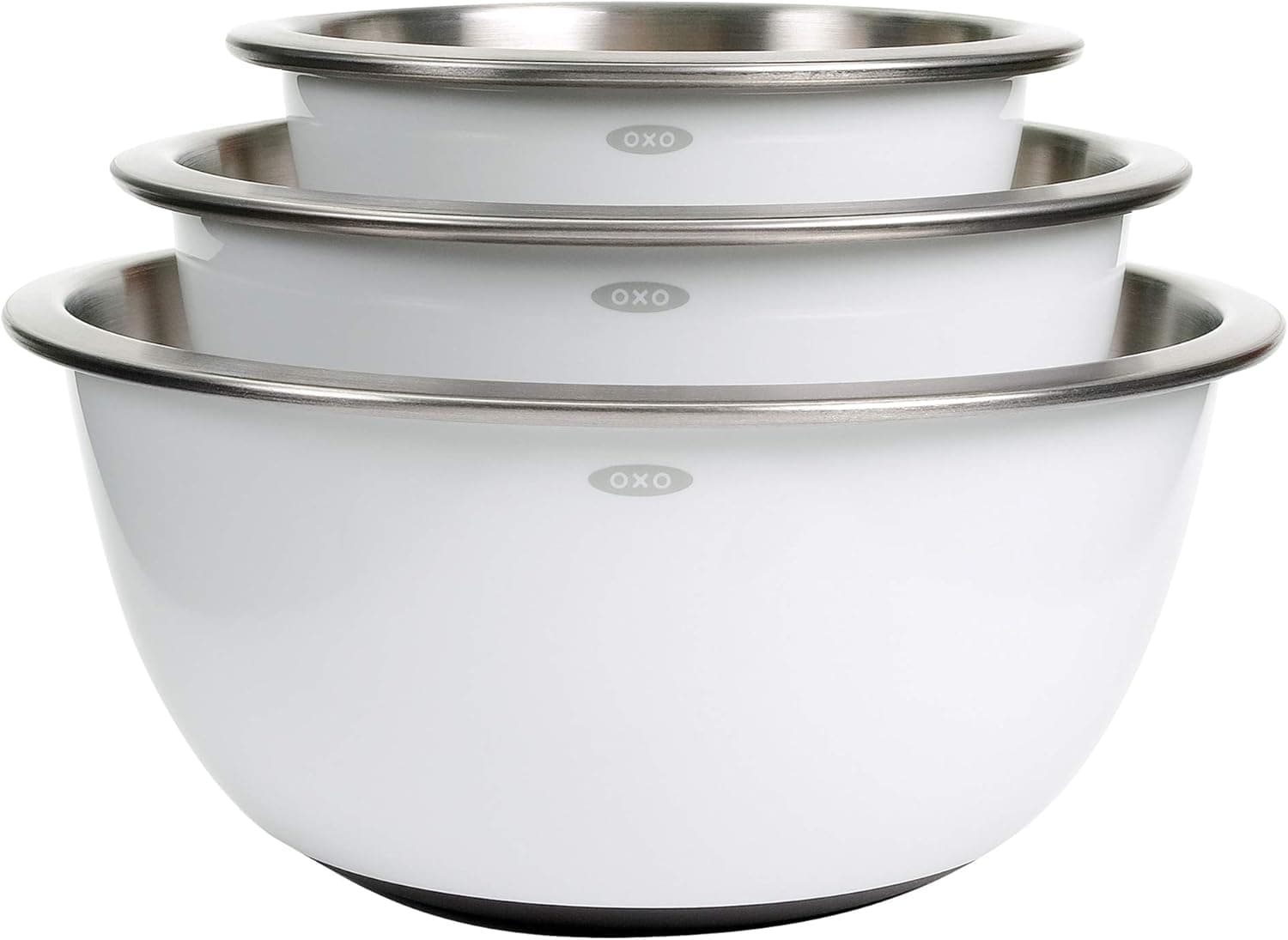
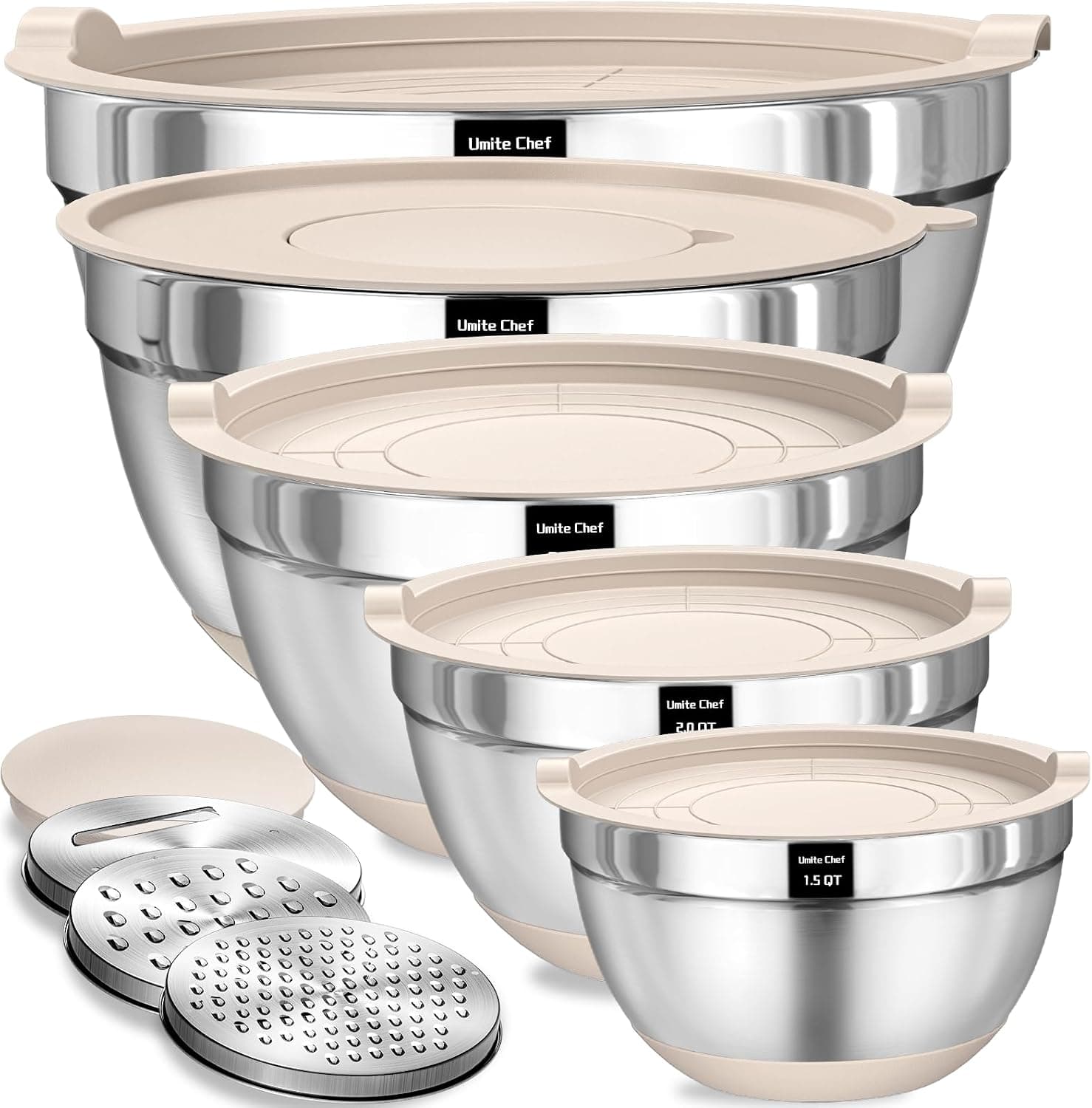
+ Non-slip silicone base keeps bowls still under a stick blender
From our guide: Best Mixing Bowls for Soap Making
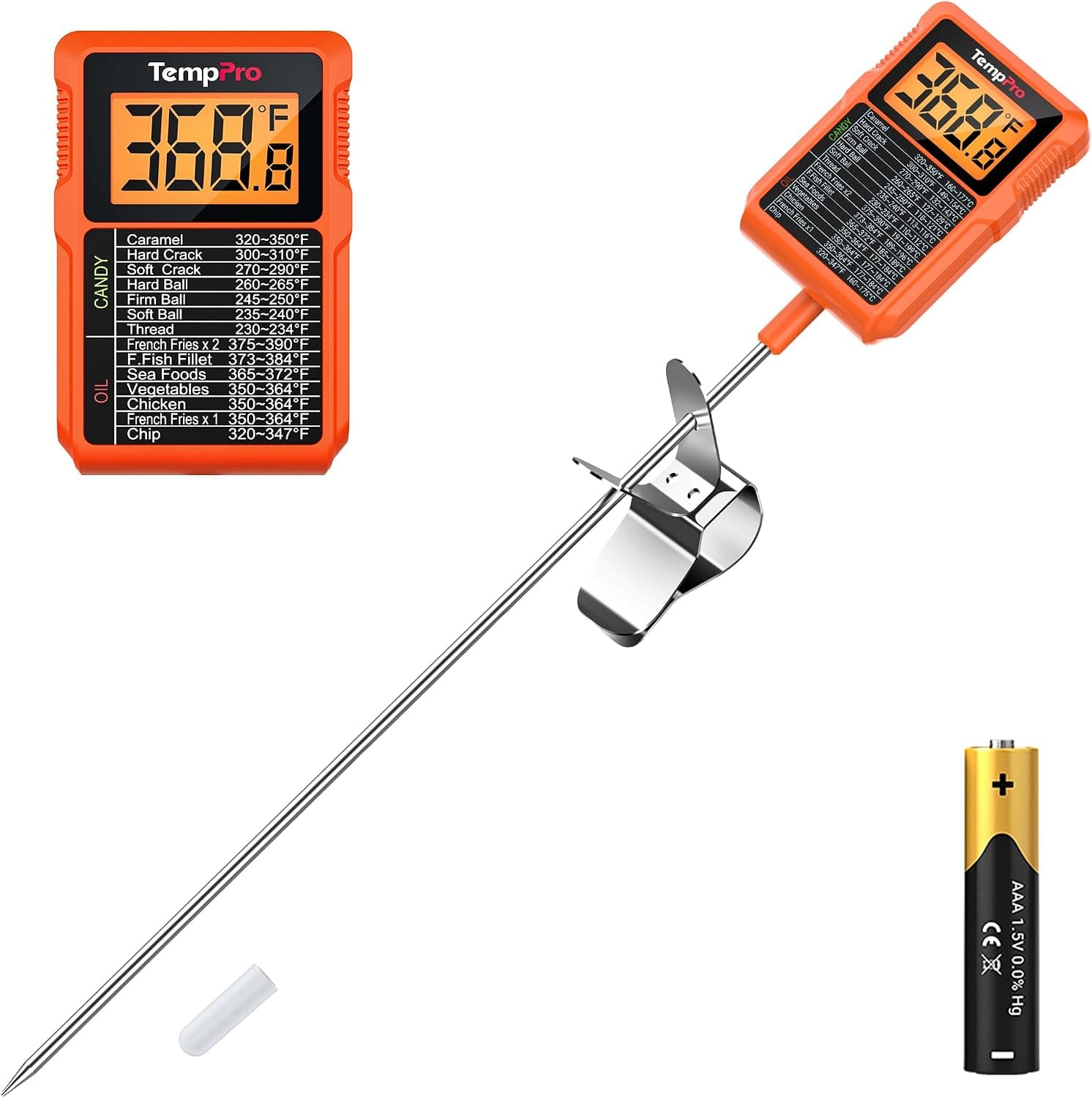
+ Rotating backlit display swivels about 90 degrees for easy reading from any angle
From our guide: Best Thermometers for Soap Making
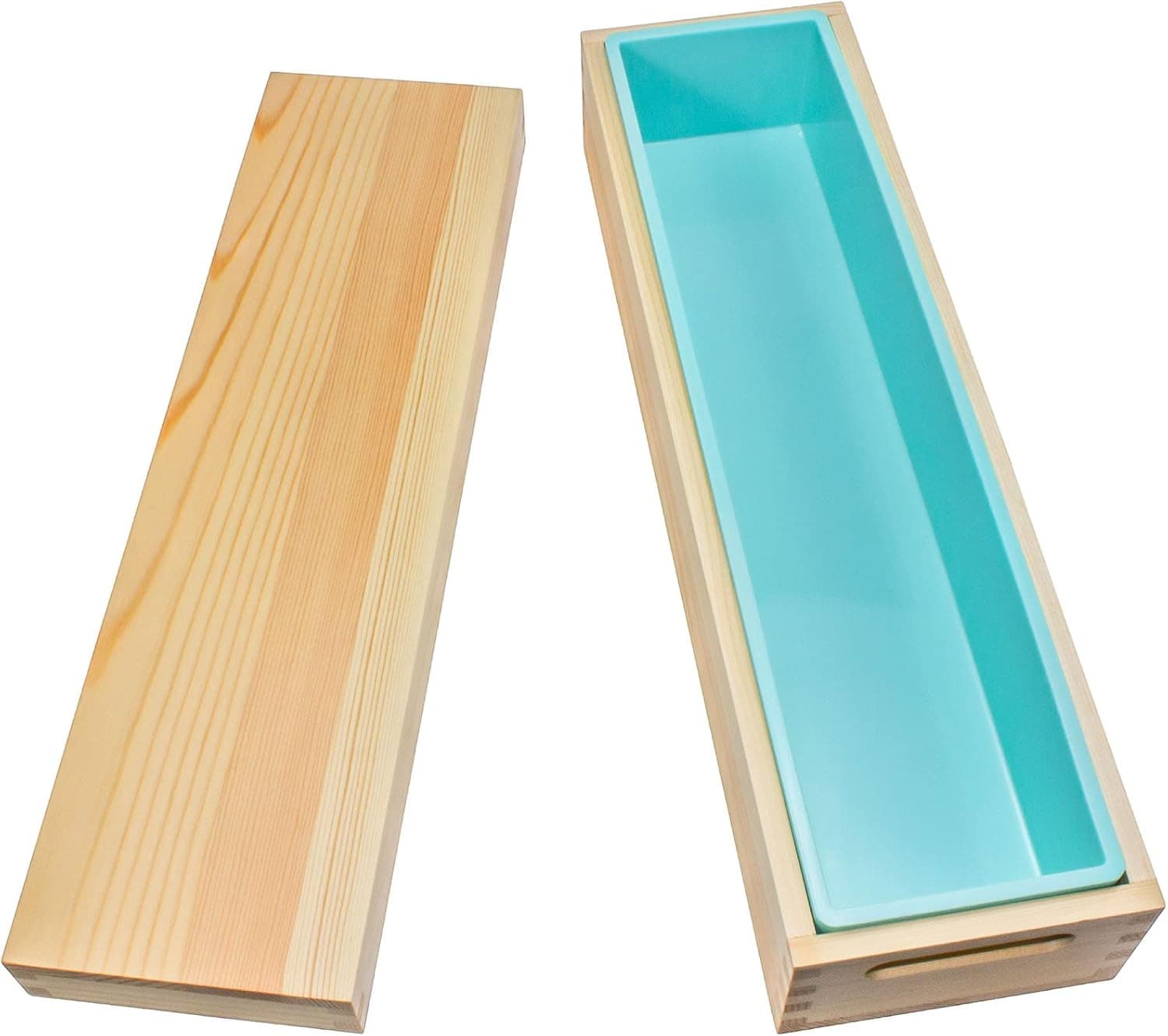
+ Wooden mold with cover provides good insulation for gel phase
From our guide: Best Wooden Soap Molds for Cold Process Bars
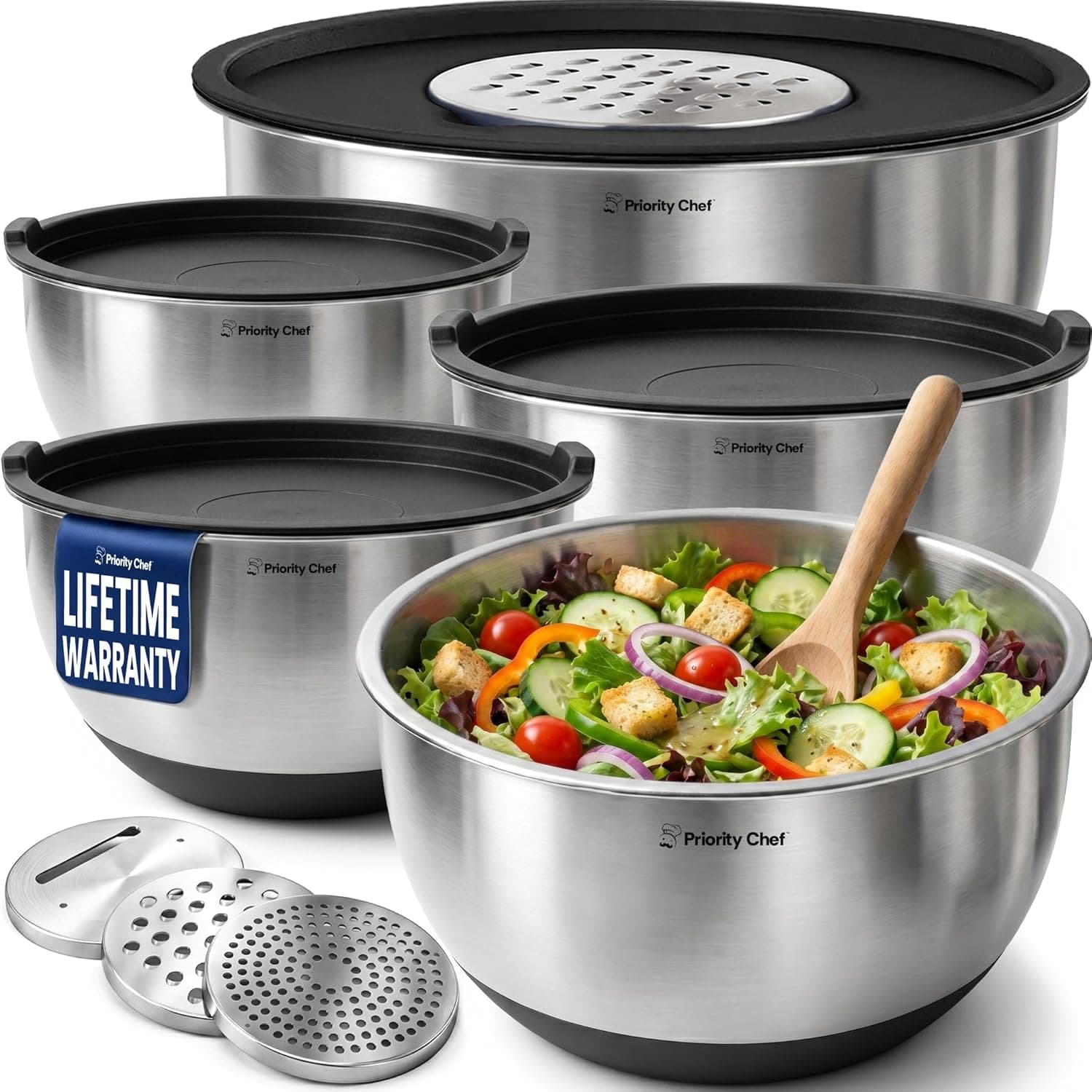
+ 8PCS set gives plenty of bowls for colors and additive prep
From our guide: Best Mixing Bowls for Soap Making
Melt and pour soap starts with a pre-made base that has already gone through saponification, the chemical reaction that turns oils and lye into soap. You simply cut the base into chunks, melt it in a microwave or double boiler, stir in color and fragrance, and pour it into a mold. Within an hour or two the bars are firm enough to use. There is no lye handling, no long cure, and very little that can go wrong. This makes it ideal for kids' projects, quick gifts, and anyone who wants results the same afternoon.
Cold process soap, by contrast, is made from scratch. You combine oils with a sodium hydroxide solution and trigger saponification yourself. This gives you complete control over the recipe, so you can design a bar with the exact hardness, lather, and skin-feel you want. You can go palm-free, use luxury oils, superfat for extra moisture, and create intricate swirls. That freedom comes with responsibility, though, because you are working with lye and must respect proper safety practices.
Time is one of the biggest practical differences. A melt and pour bar is ready to use almost immediately, while a cold process bar needs four to six weeks of curing before it performs at its best. During that cure, water evaporates and the bar becomes harder, milder, and longer-lasting. If you want to sell soap or build a stockpile, cold process rewards patience. If you want instant gratification, melt and pour wins.
Cost and equipment also differ. Melt and pour requires almost nothing beyond a base, a mold, and a heat source. Cold process demands a scale, a stick blender, safety gear, heat-safe containers, and lye itself. The per-bar cost of cold process is usually lower once you buy in bulk, but the upfront investment is higher. Beginners often start with melt and pour to learn about fragrance behavior and molds, then graduate to cold process for full creative freedom.
There is no wrong answer, and many soap makers happily do both. A common path is to build confidence with melt and pour, master color and scent, and then take on cold process once you feel ready to learn lye safety. Whichever you choose, start simple, keep good notes, and enjoy the craft. Soap making is forgiving enough that even early mistakes usually still wash your hands just fine.
It also helps to think about your goals beyond the bar itself. If you want to sell at markets, cold process offers the artisanal designs and full ingredient control that customers pay a premium for, while melt and pour lets you produce quick, colorful novelty soaps that photograph well. If you are making soap purely for family use or as a relaxing hobby, either method delivers a satisfying, skin-friendly result. Let your intended outcome guide the method rather than chasing the more advanced technique for its own sake, and you will enjoy the process far more.
At a glance: Melt and pour vs Cold process
| Melt and pour | Cold process | |
|---|---|---|
| Lye handling | None | Required, with safety gear |
| Time to use | Same day | About 4-6 weeks cure |
| Ingredient control | Limited to the base | Full control of oils and superfat |
| Design options | Embeds, layers, clear bases | Swirls, natural colours, textures |
| Learning curve | Easy | Moderate |
| Kid friendly | Yes, with supervision | No |
Choose Melt and pour if
- You want quick, safe crafting
- You make soap with children
- You want gifts ready this week
Choose Cold process if
- You want to formulate from scratch
- You want natural oils and full ingredient control
- You enjoy chemistry and patience
Bottom line: Start with melt and pour to learn colour, fragrance and molds. Move to cold process when you want to design recipes and are ready for lye safety.
Popular right now
- Best Melt and Pour Soap BaseBuying guide
- Best Shea Butter for Soap MakingBuying guide
- Choosing Fragrance Oils for SoapArticle
- Embedding Objects in SoapArticle
- Best Natural Soap Colorants From Clays and BotanicalsBuying guide
- How to Use a Soap MoldArticle
Based on the last 28 days of search and visitor data.