Shelf Life of Soap
Published How we research
Soap's shelf life is governed largely by its oils, which can oxidize and go rancid over time, showing up as an unpleasant smell and the dreaded orange spots (DOS). Oils high in unsaturated fats have shorter shelf lives than stable, saturated ones, so fresh, quality oils matter. A higher superfat leaves more free oil to oxidize, shortening shelf life, though an antioxidant like rosemary oleoresin extract can slow this. Storage in a cool, dry, dark place with airflow makes a dramatic difference, with well-cured bars lasting a year or more. Scent and color fade over time even in a usable bar. Handmade soap does not last forever, but with good ingredients and storage it stays usable far longer than many people expect. Understanding what limits soap's shelf life helps you formulate longer-lasting bars, store your inventory wisely, and set honest expectations for customers. The main enemies are rancidity, moisture, and the oxidation of the oils that make up the bar.
Products from this article
The highest-scoring picks from the buying guides this article links to. Scores are our editorial assessment, not customer ratings.
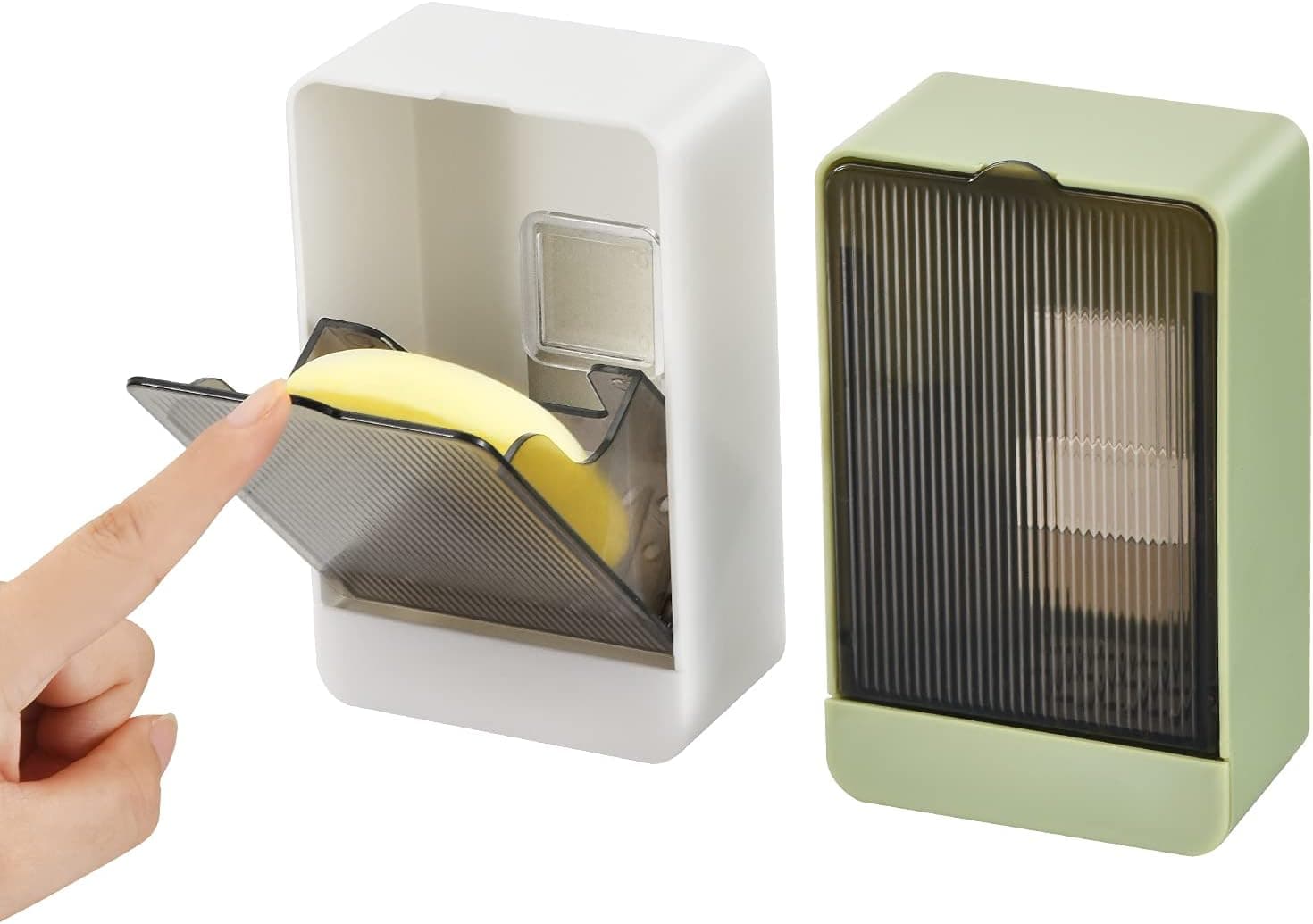
+ Waterfall design channels water off so soap lasts longer
From our guide: Best Soap Dishes for Long-Lasting Bars
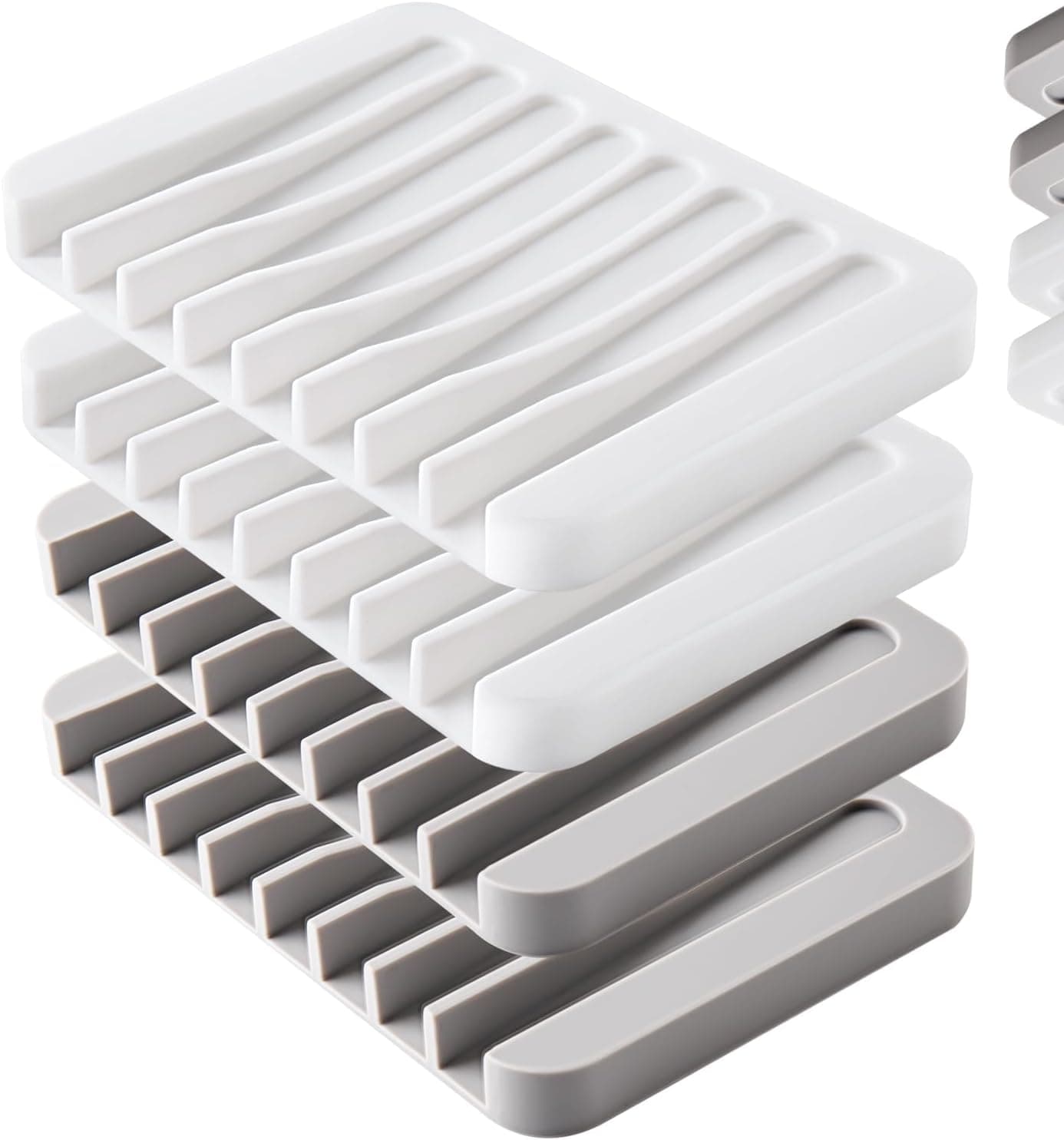
+ 4PCS set covers shower, sink and kitchen areas
From our guide: Best Soap Dishes for Long-Lasting Bars
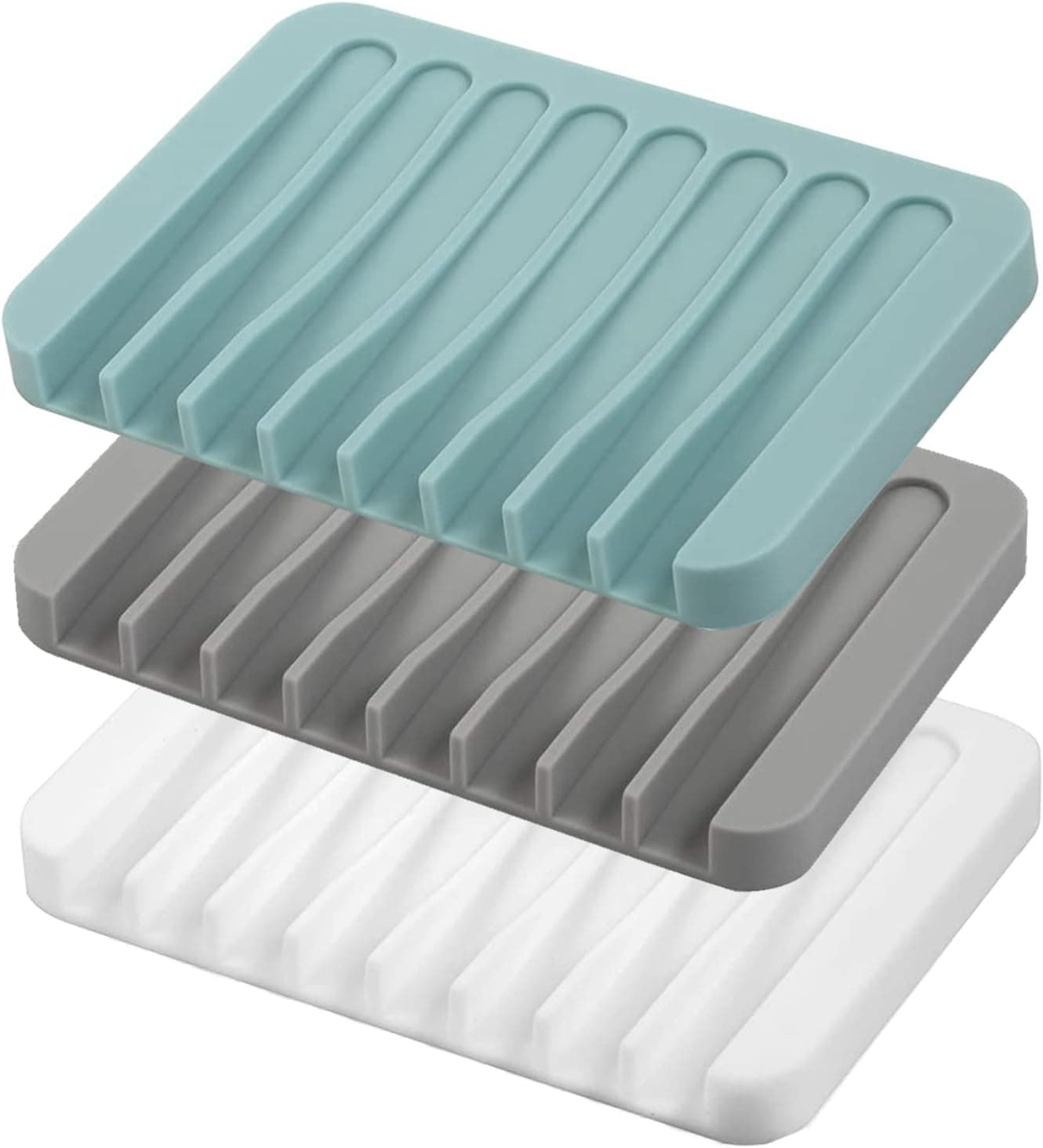
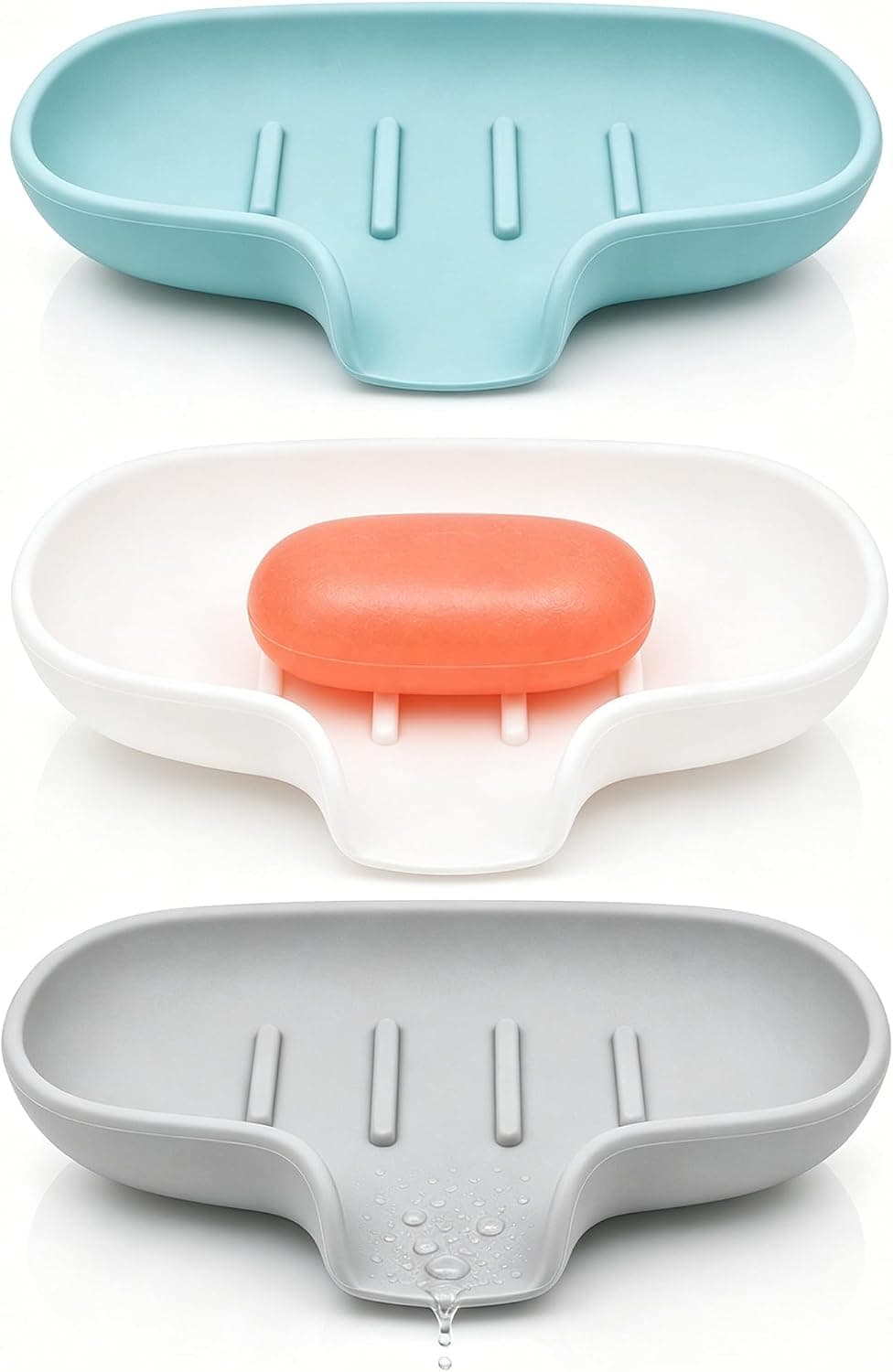
+ Waterfall tray drains water so bars dry faster
From our guide: Best Soap Dishes for Long-Lasting Bars
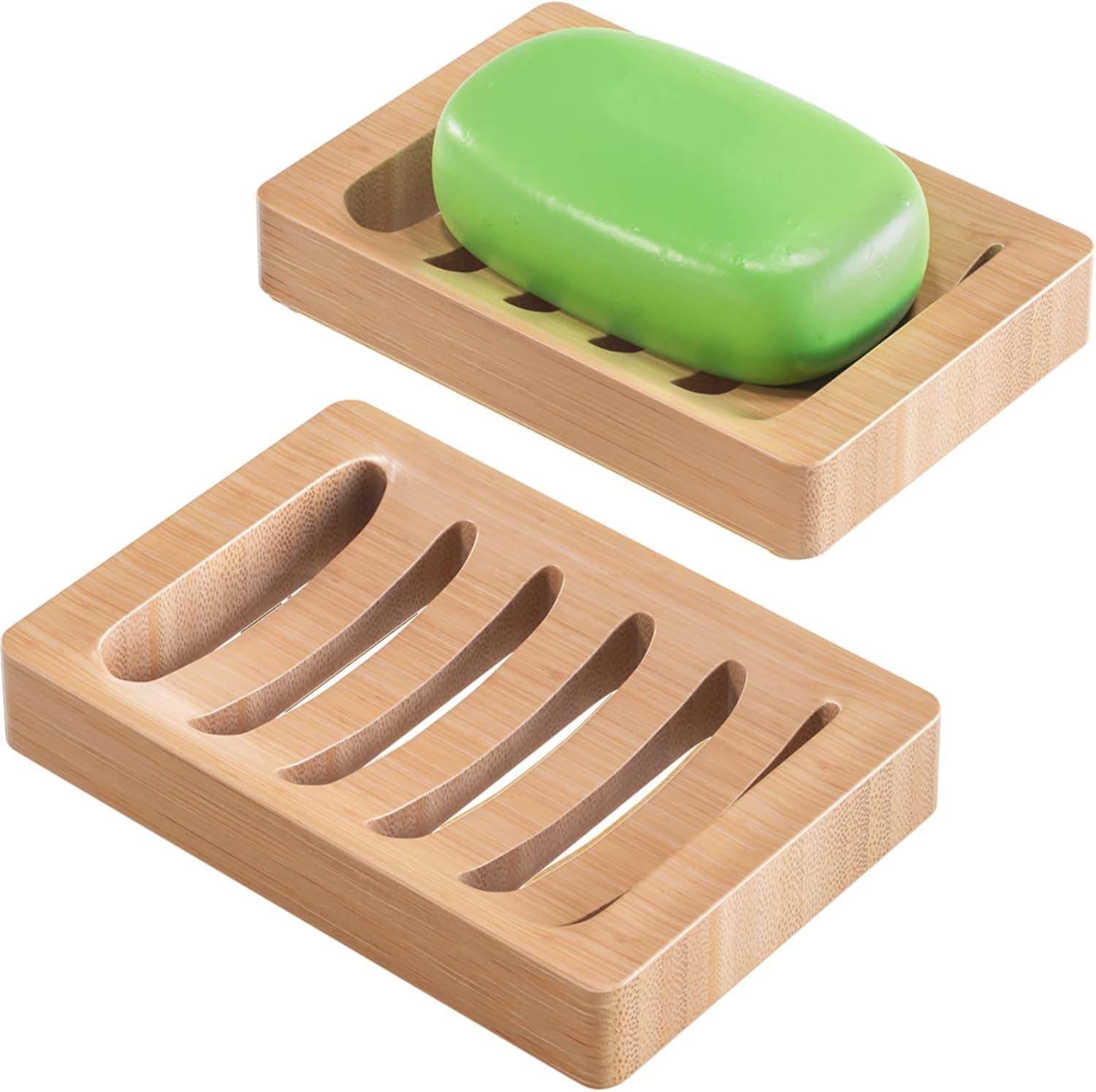
+ Bamboo looks natural and pairs well with handmade soaps
From our guide: Best Soap Dishes for Long-Lasting Bars
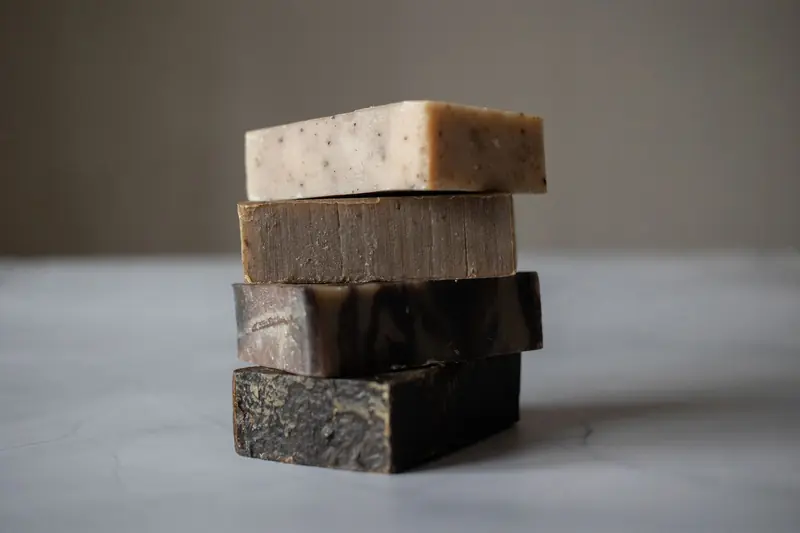
Soap's shelf life is governed largely by its oils
Soap's shelf life is governed largely by its oils. Because a finished bar contains a small amount of unsaponified oil from superfatting, and because oils can oxidize over time, those oils can eventually go rancid. Rancidity shows up as an unpleasant, stale smell and often as small orange or brown spots, affectionately dreaded by soap makers as DOS, or dreaded orange spots. The oils you choose and their freshness strongly influence how soon this happens.
Oil stability and freshness matter most
Oils high in unsaturated fats and delicate compounds tend to have shorter shelf lives, while more stable, saturated oils last longer. Using fresh oils that are well within their own shelf life is essential, because a bar can only be as fresh as the ingredients that went into it. Soaping with oils that are already near rancidity practically guarantees an early appearance of orange spots regardless of how carefully you make the bar.
Superfat percentage plays a role too
Superfat percentage plays a role too. A higher superfat leaves more free oil in the bar to potentially oxidize, which can shorten shelf life, while a leaner superfat leaves less. This is one of the trade-offs of a very conditioning bar. Some makers add a small amount of an antioxidant like rosemary oleoresin extract to slow oxidation and extend the life of their soap, particularly in recipes rich in more perishable oils.
Storage conditions make a dramatic difference
Storage conditions make a dramatic difference. Soap keeps best in a cool, dry, dark place with good airflow. Heat, humidity, and direct light all accelerate the breakdown of oils and can encourage orange spots. A well-cured bar stored properly can remain in excellent condition for a year or more, and often longer. Conversely, a bar left in a hot, damp bathroom will deteriorate much faster.
Scent and appearance change even in a usable bar
Scent and appearance change over time even when a bar remains perfectly usable. Fragrances and especially essential oils fade with age, so a bar that smelled strong when fresh may be faint after a year. Colors can shift, and vanillin-containing fragrances continue to darken. None of this means the soap is unsafe; it simply means the sensory experience has aged. For the best scent, use or sell bars within several months to a year.
Treat well-made soap as best used within about a year
For everyday practical purposes, treat well-made handmade soap as best used within about a year, while recognizing that a properly stored bar often remains fine well beyond that. Rotate your stock so older bars sell first, store your inventory in cool dry conditions, and formulate with fresh, stable oils and a sensible superfat. With these habits your soap will reach customers fresh, fragrant, and free of the dreaded orange spots.
Frequently asked questions
What causes orange spots on handmade soap? Rancidity of the oils in the bar, often from oxidation over time, showing up as an unpleasant smell and small orange or brown spots soap makers call DOS, or dreaded orange spots.
Does higher superfat shorten a soap bar's shelf life? Yes, a higher superfat leaves more free oil in the bar that can potentially oxidize, which can shorten shelf life compared to a leaner superfat.
How should handmade soap be stored to last longer? In a cool, dry, dark place with good airflow, since heat, humidity, and direct light all accelerate oil breakdown and can encourage orange spots.
How long does handmade soap actually last? A well-cured bar stored properly can remain in excellent condition for a year or more, though scent and color may fade well before the soap becomes unusable.
Popular right now
- Best Melt and Pour Soap BaseBuying guide
- Best Shea Butter for Soap MakingBuying guide
- Choosing Fragrance Oils for SoapArticle
- Embedding Objects in SoapArticle
- Best Natural Soap Colorants From Clays and BotanicalsBuying guide
- How to Use a Soap MoldArticle
Based on the last 28 days of search and visitor data.