How to Prevent and Remove Soda Ash on Cold Process Soap
Soda ash is the powdery or crystalline white film that sometimes appears on the surface of cold process soap within a day or two of pouring. It forms when unsaponified lye near the surface reacts with carbon dioxide in the air, creating sodium carbonate. Soda ash is cosmetic and does not make soap unsafe once the soap has cured, but it dulls colours and hides designs. Several simple habits prevent most of it.
Why soda ash forms
While soap is still saponifying, some lye remains in the batter. When exposed to air, lye at the surface reacts with carbon dioxide and leaves a white residue. The soap surface is most vulnerable during the first 24 hours, while it is soft and still reactive.
Cooler soap, high water content, pouring at very thin trace and cool, drafty rooms all make soda ash more likely. Recipes with lots of soft oils that trace slowly also leave the surface exposed for longer.
Soap at thicker trace and warmer temperatures
Pouring at a light-to-medium trace, rather than very thin trace, speeds up saponification and reduces the time lye is exposed at the surface. Soaping slightly warmer can help too, within the limits of your recipe and additives.
Encouraging gel phase by insulating the mould keeps the soap warm and speeds saponification. Be cautious with milk, honey and sugar-rich recipes, which can overheat.
Cover and protect the surface
Covering the soap surface right after pouring prevents air contact. Many soapmakers press plastic wrap gently onto the surface or use a mould lid, and some place a piece of cardboard over the mould with a towel on top.
Spraying the surface lightly with 99% isopropyl alcohol right after pouring can also reduce soda ash. Keep alcohol away from open flames and heat sources, and ventilate the area.
Adjust water content
A water discount, using slightly less water than full water in your recipe, helps soap firm up faster and can reduce soda ash. It also shortens cure time.
Water discounts make batter trace faster, so use them carefully with fast-moving fragrance oils and intricate swirl designs. Use a lye calculator to adjust water safely.
Remove soda ash from finished bars
Soda ash can be removed after the soap has hardened. Steam the bars briefly with a clothes steamer, or rinse them quickly under warm water and wipe gently, then let them dry.
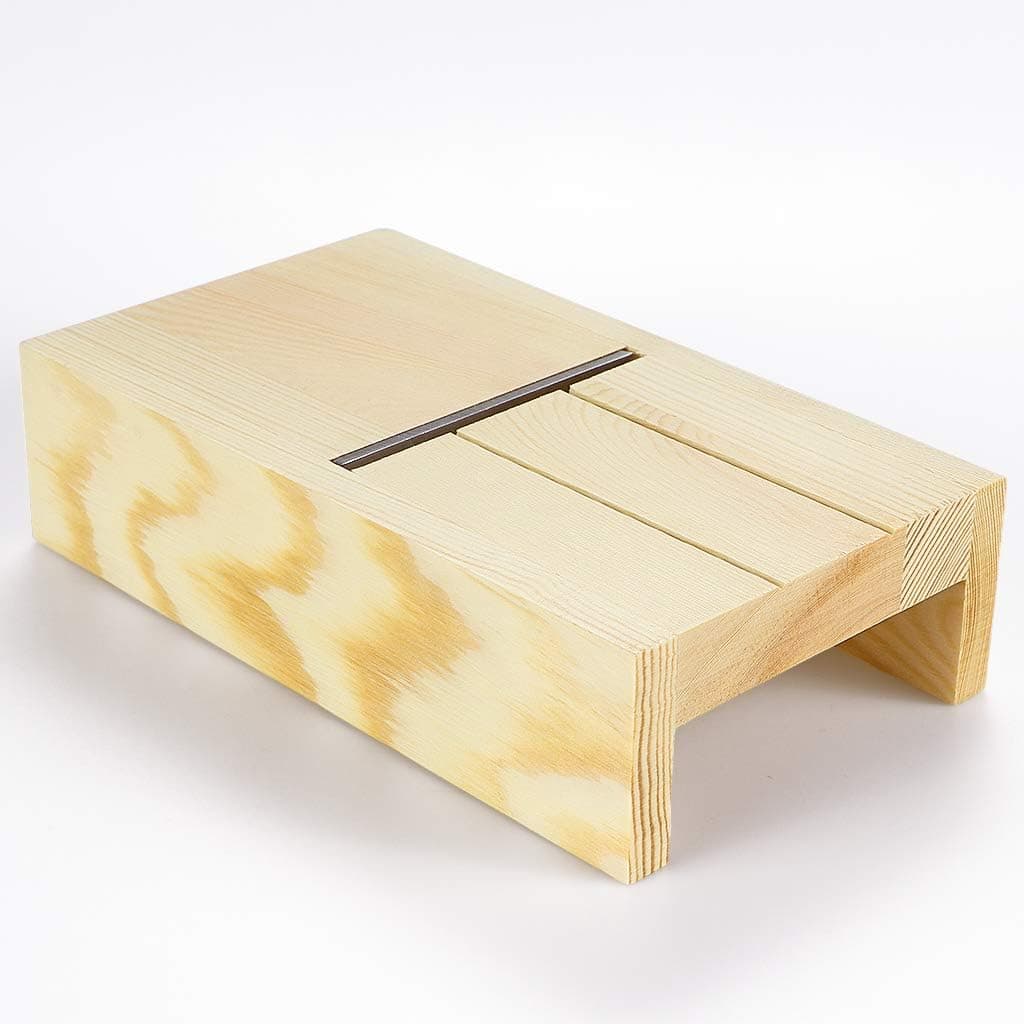
Planing the surface with a soap planer or vegetable peeler removes a thin layer and restores colours. Wear gloves when handling fresh soap, since it may still be caustic.