Essential Oils in Soap
Published How we research
Essential oils bring the aromas of the plant world into your soap, offering a natural alternative to synthetic fragrance oils. Distilled or pressed from flowers, leaves, bark, and peels, they carry the genuine scent of lavender, peppermint, citrus, and countless other botanicals. Using them well, however, requires understanding their quirks, because essential oils behave differently from fragrance oils in both scent longevity and skin safety.
Products from this article
The highest-scoring picks from the buying guides this article links to. Scores are our editorial assessment, not customer ratings.
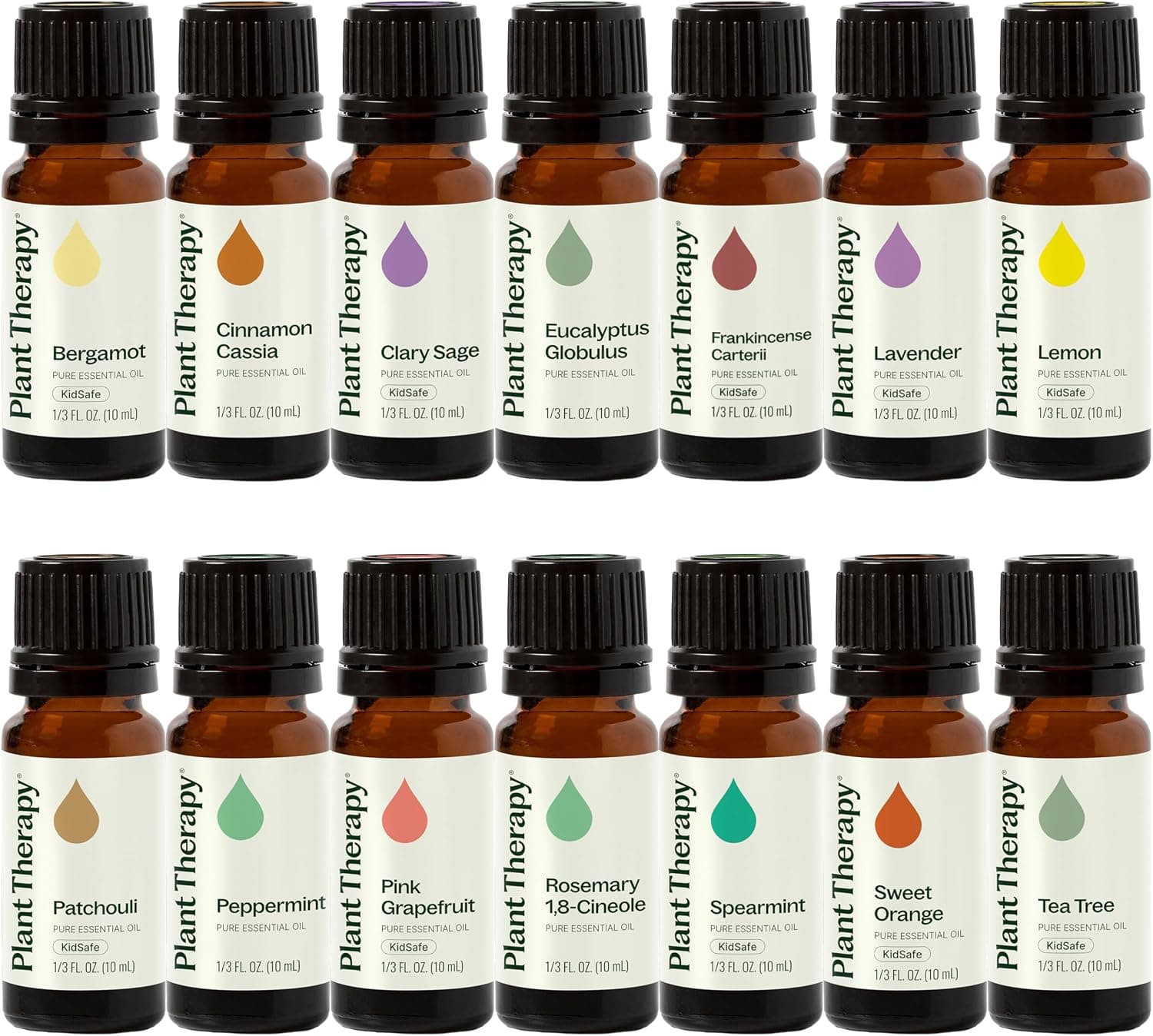
+ Top 14 set covers a wide range of classic essential oil scents
From our guide: Best Essential Oils for Natural Soap Making
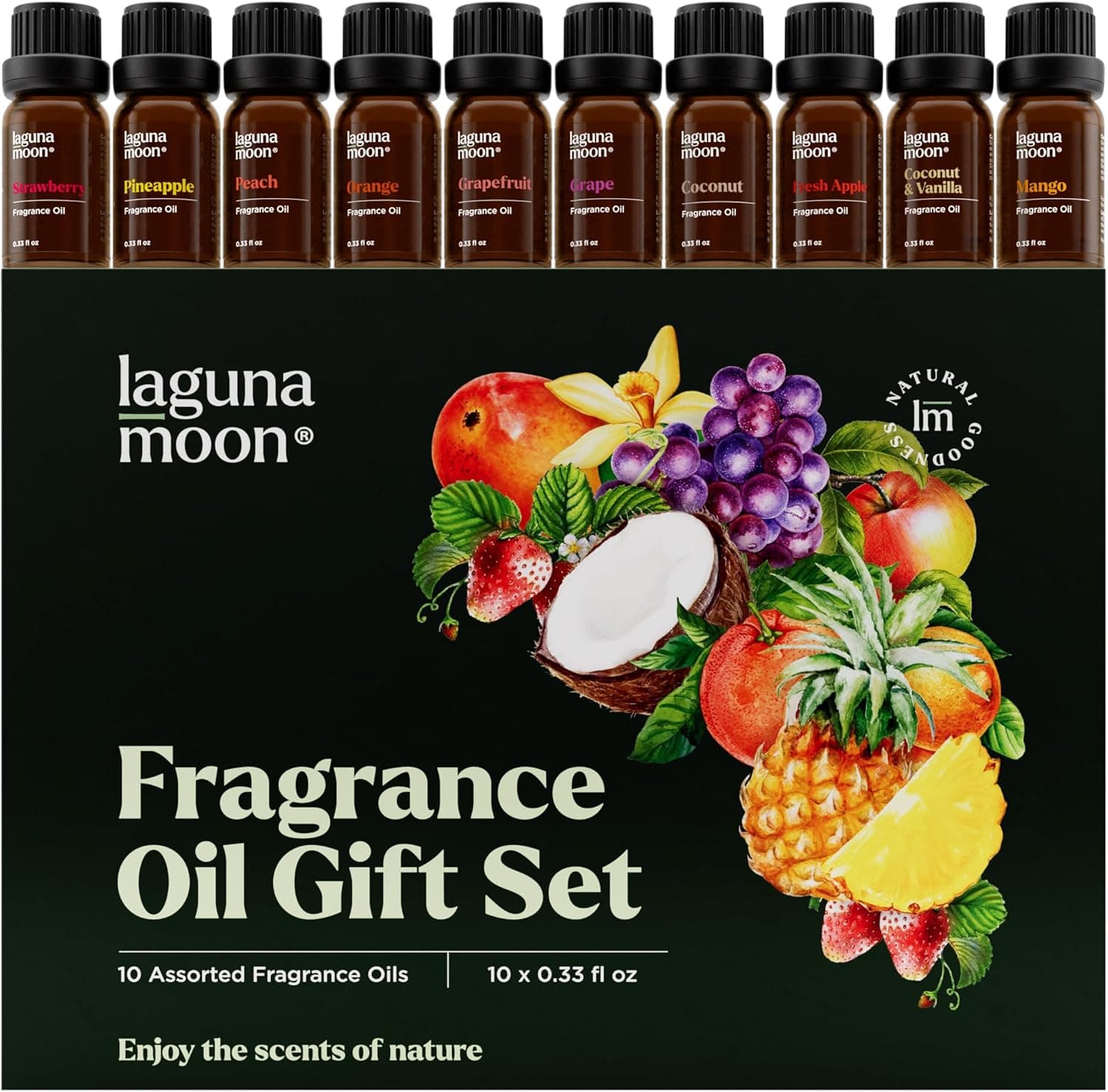
+ 10 Pcs set lets you sample several scents before buying large bottles
From our guide: Best Fragrance Oils for Handmade Soap
+ 21 Pack variety gives many options for decorating soap tops
From our guide: Best Dried Botanicals for Soap Making
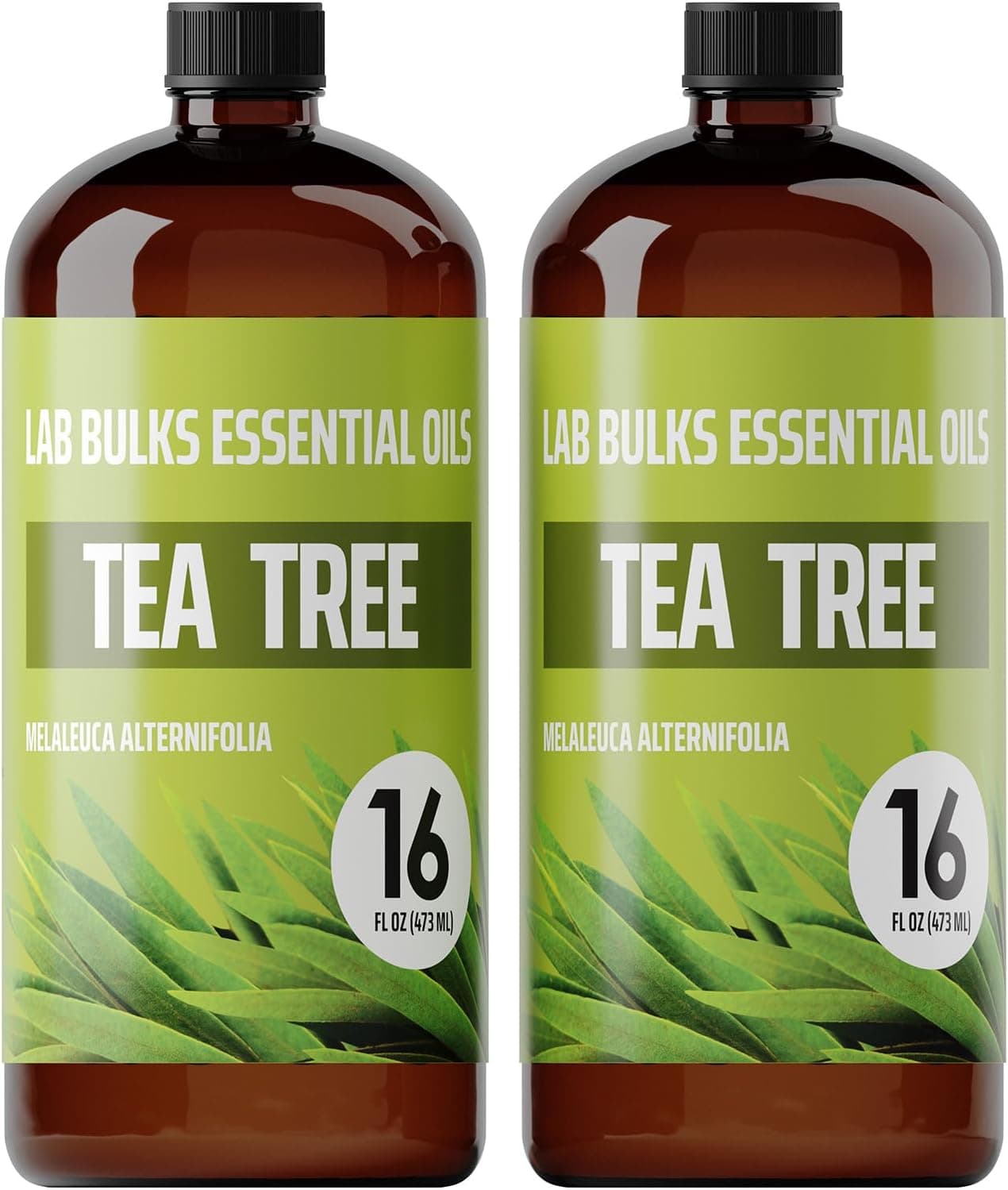
+ 16 Ounce (2 Pack) bulk size is ideal for frequent tea tree soap batches
From our guide: Best Essential Oils for Natural Soap Making

The first thing to know is that essential oils are potent and must be used at safe, sensible rates. Because they are highly concentrated plant extracts, using too much can irritate skin rather than delight the senses. General guidance suggests keeping total essential oil content to a small percentage of your batch weight, and some oils have much lower recommended limits than others. Consult reputable usage-rate charts and err on the conservative side, especially for oils known to be sensitizing.
Staying power is the biggest challenge with essential oils in cold process soap. Many bright, volatile scents like citrus and some florals fade significantly during the cure, leaving a faint whisper where you expected a bold aroma. This happens because their light molecules evaporate over the weeks of curing. Understanding which oils stick and which fade lets you set realistic expectations and design blends that endure.
Some essential oils are naturally long-lasting in soap. Earthy and heavy oils such as patchouli, cedarwood, and vetiver anchor beautifully and persist for months. Peppermint and other strong mints also tend to hold. These robust oils can serve as a base note in a blend, giving structure and longevity to lighter scents layered on top. Building blends around a sturdy anchor is the professional approach.
Blending essential oils is both an art and a practical strategy for longevity. By combining top notes that give the first impression, middle notes that form the heart, and base notes that anchor everything, you create a scent that evolves and lasts. Base notes like patchouli or benzoin also act as natural fixatives, slowing the evaporation of the lighter oils blended with them. Even a small amount of a base note can dramatically improve staying power.
Cost is a real consideration, since essential oils can be expensive, and the amount needed to scent soap strongly is not trivial. Citrus oils are relatively affordable, while rose, melissa, and certain others are costly. Many makers blend a splurge oil with cheaper complementary oils to stretch it, or accept that all-natural scenting simply costs more than synthetic fragrance. Pricing your finished bars should reflect this reality.
Always prioritize safety and honesty when working with essential oils. Some are not suitable for leave-on or wash-off skin products, some are phototoxic, and some should be avoided around pregnancy or young children. Research each oil, follow dilution guidelines, and label your soap clearly. Used thoughtfully, essential oils reward you with genuinely natural, sophisticated scents that connect every bar to the living plants they came from.
Popular right now
- Best Melt and Pour Soap BaseBuying guide
- Best Shea Butter for Soap MakingBuying guide
- Choosing Fragrance Oils for SoapArticle
- Embedding Objects in SoapArticle
- Best Natural Soap Colorants From Clays and BotanicalsBuying guide
- How to Use a Soap MoldArticle
Based on the last 28 days of search and visitor data.