Packaging Handmade Soap
Published How we research
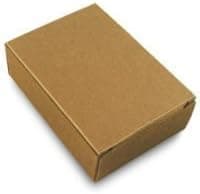
Packaging is where your handmade soap makes its first impression and where it stays protected until it reaches a happy customer. Good packaging balances several jobs at once: it must let the soap breathe, present it attractively, carry required information, and ideally reflect your brand's values. Getting it right elevates your product and can be the difference between a browser and a buyer.
Products from this article
The highest-scoring picks from the buying guides this article links to. Scores are our editorial assessment, not customer ratings.
+ 3.8 x 2.8 x 1.2 Inch size suits many standard soap bars
From our guide: Best Boxes and Packaging for Handmade Soap
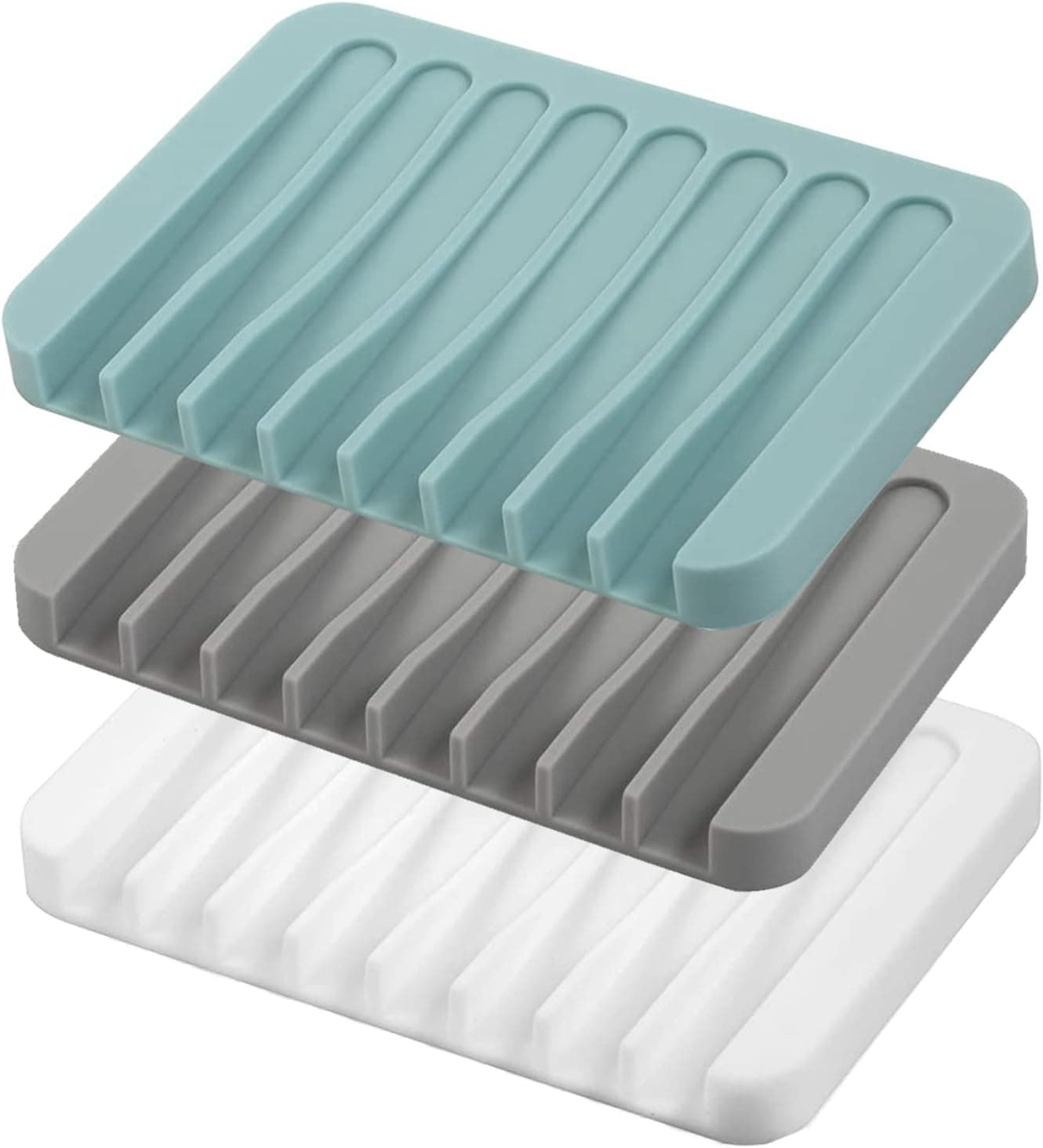
+ Waterfall design channels water off so soap lasts longer
From our guide: Best Soap Dishes for Long-Lasting Bars
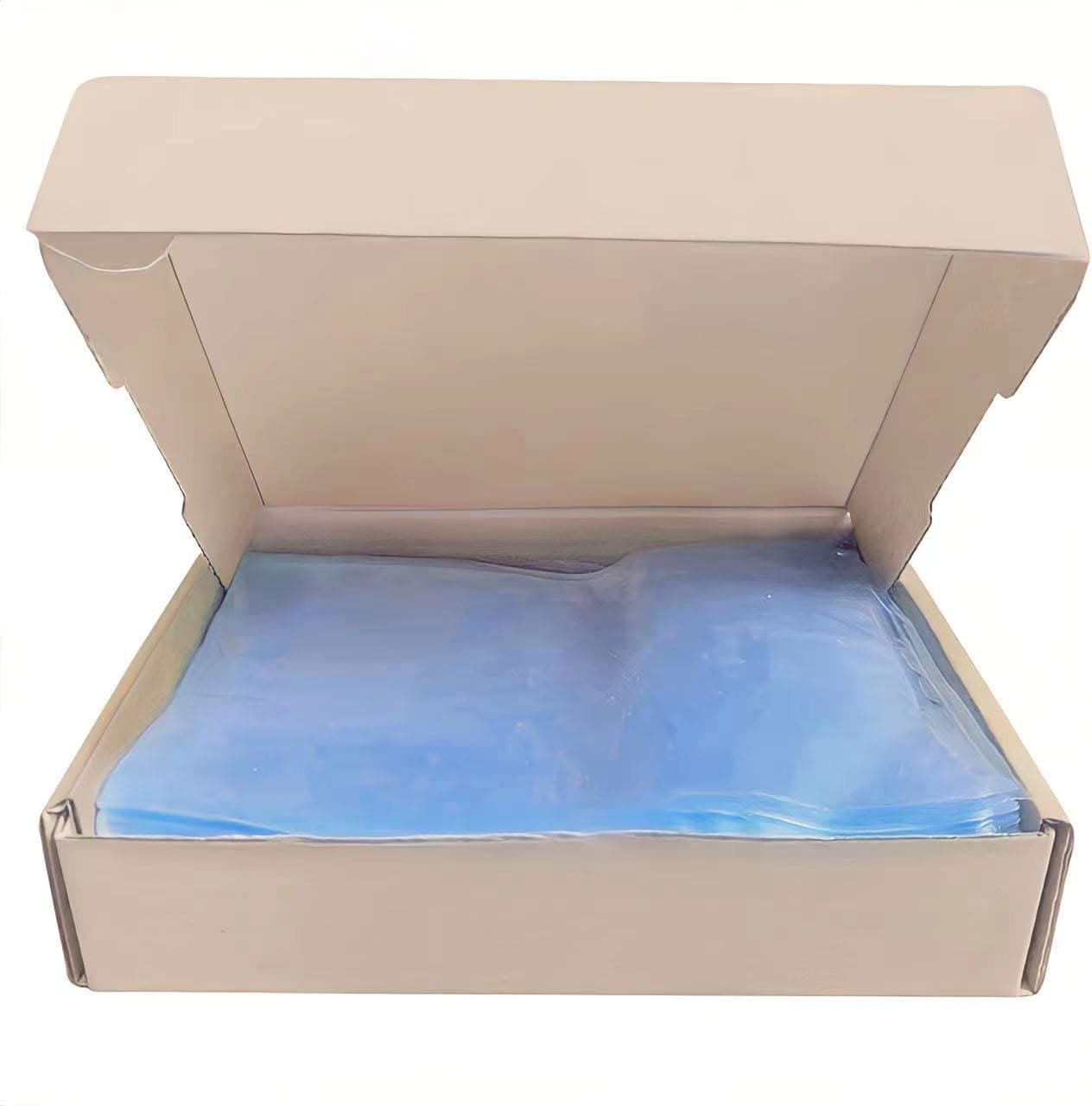
+ Odorless PVC will not affect the scent of fragranced bars
From our guide: Best Shrink Wrap for Handmade Soap
+ Square boxes fit round and square soaps neatly
From our guide: Best Boxes and Packaging for Handmade Soap



The first rule of soap packaging is that soap needs to breathe. Because cold process soap continues to lose moisture and because tightly sealed plastic can trap humidity, cause sweating, or promote dreaded orange spots, fully airtight wrapping is usually a mistake. Breathable options like paper bands, kraft boxes with openings, fabric, or shrink bands that leave part of the bar exposed all allow air movement while still protecting the surface.
Many artisans favor simple paper wraps and bands for their rustic charm and sustainability. A cigar-band style paper wrap that circles the middle of the bar leaves the ends exposed, showcasing the soap itself while providing space for your branding and required text. Kraft paper, printed labels, twine, and stamps let you create an appealing look inexpensively, and customers increasingly appreciate minimal, recyclable materials over plastic.
Labeling is not just decorative; in many places it is legally required. Regulations vary by country, but common requirements include the product's identity, the net weight, your business name and contact information, and a full ingredient list, often using standardized INCI names. If you make any cosmetic claims, additional rules may apply. Research the specific requirements in your region before selling, because compliant labeling protects both your customers and your business.
An ingredient list deserves particular attention. Listing what is in your soap builds trust and helps customers with allergies or sensitivities make safe choices. Even if not strictly required for your product category where you live, disclosing ingredients is good practice and increasingly expected. Keep accurate records of every batch so your labels always reflect what is actually in the bar.
Sustainability is a growing selling point, and packaging is an obvious place to demonstrate it. Recyclable paper, compostable materials, soy-based inks, and minimal plastic all appeal to eco-conscious buyers who often overlap with the handmade soap market. Presenting your soap as a lower-waste alternative to mass-produced products reinforced by thoughtful packaging strengthens your whole brand story and justifies a premium price.
Finally, think about presentation and durability together. Packaging should survive shipping and handling, keep bars from rubbing against each other, and look enticing on a market table or shelf. Consistent colors, fonts, and materials across your line create a recognizable brand. Whether you go rustic and minimal or polished and colorful, packaging that protects the soap, informs the buyer, and reflects your values turns a good bar into a giftable, memorable product.
As your business grows, revisit your packaging periodically to make sure it still serves you well. Costs, suppliers, and regulations change, and what worked for a handful of bars at a local market may need rethinking when you ship dozens of orders or stock a retail shelf. Gather feedback from customers about what caught their eye and what felt excessive, and refine accordingly. Packaging is never truly finished; it evolves alongside your brand, and small, thoughtful improvements keep your soap looking fresh and professional year after year.
Popular right now
- Best Melt and Pour Soap BaseBuying guide
- Best Shea Butter for Soap MakingBuying guide
- Choosing Fragrance Oils for SoapArticle
- Embedding Objects in SoapArticle
- Best Natural Soap Colorants From Clays and BotanicalsBuying guide
- How to Use a Soap MoldArticle
Based on the last 28 days of search and visitor data.