Calculating Lye and Saponification
Published How we research
Behind every successful bar of handmade soap sits a bit of careful arithmetic. Calculating the correct amount of lye for your specific oils is the single most important technical step in soap making, because getting it wrong produces soap that is either harsh and lye-heavy or greasy and soft. Fortunately, the math is well understood, and reliable tools make it accessible to anyone willing to weigh ingredients accurately.
Products from this article
The highest-scoring picks from the buying guides this article links to. Scores are our editorial assessment, not customer ratings.
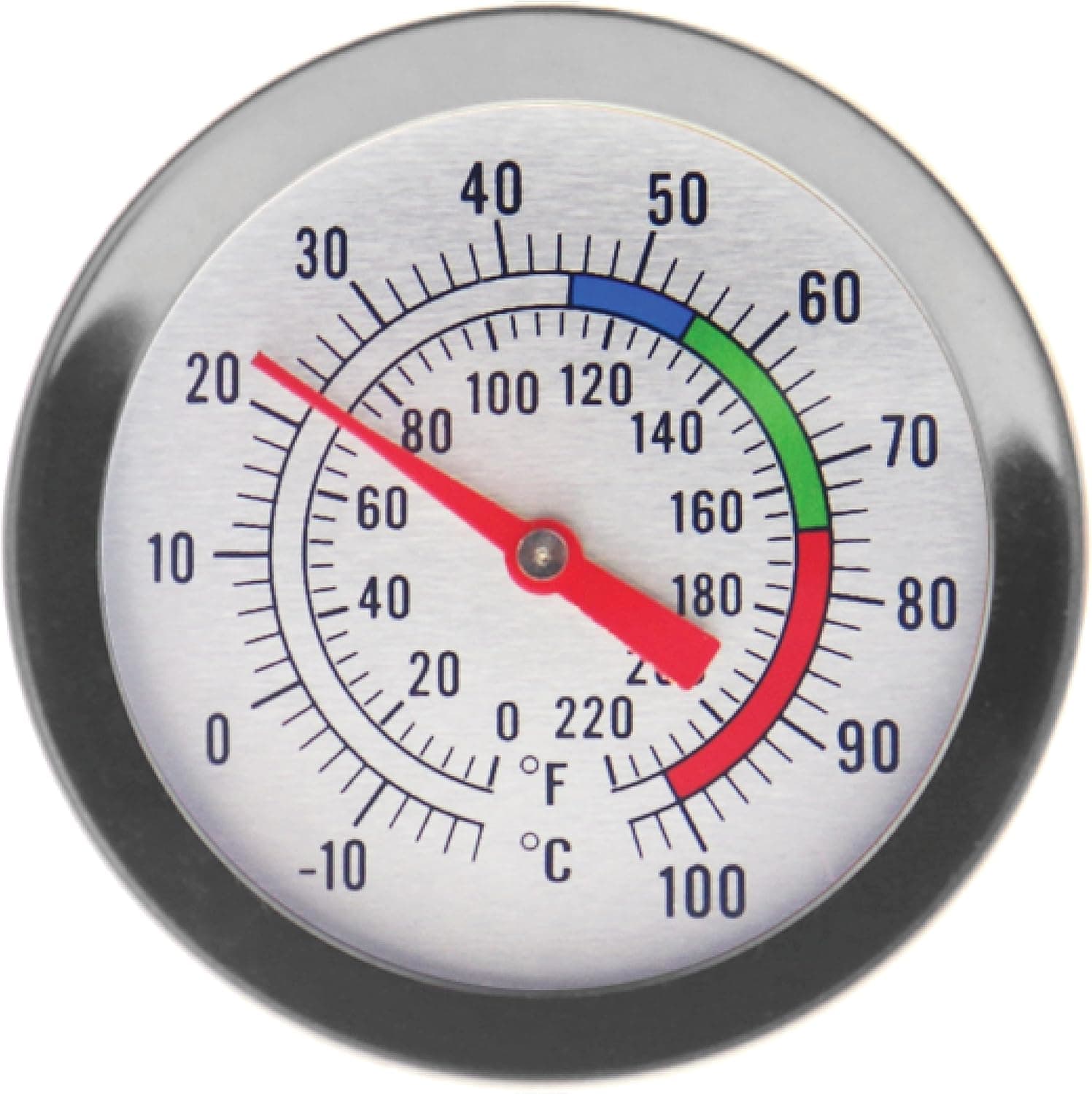
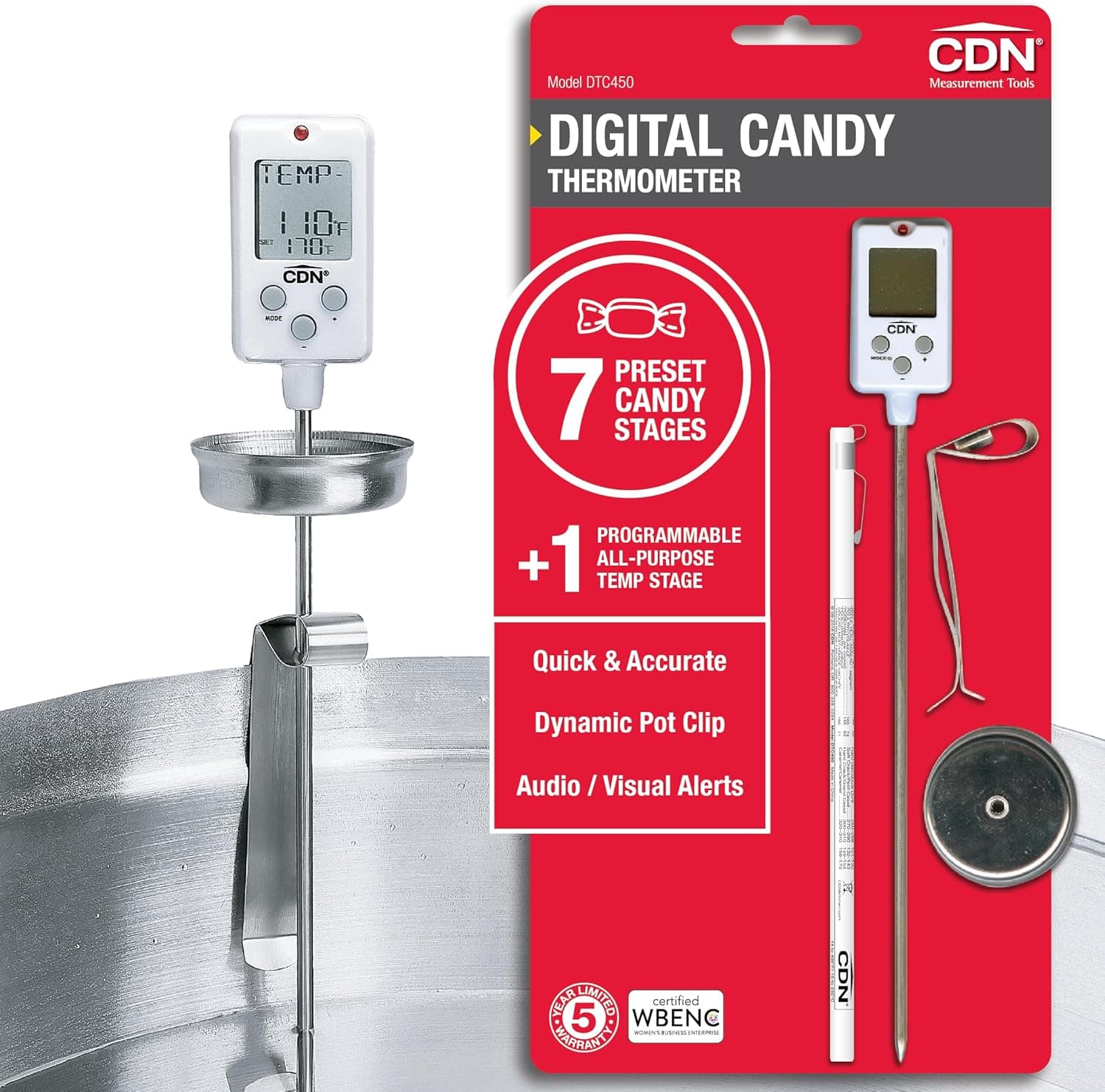
+ Rotating backlit display swivels about 90 degrees for easy reading from any angle
From our guide: Best Thermometers for Soap Making
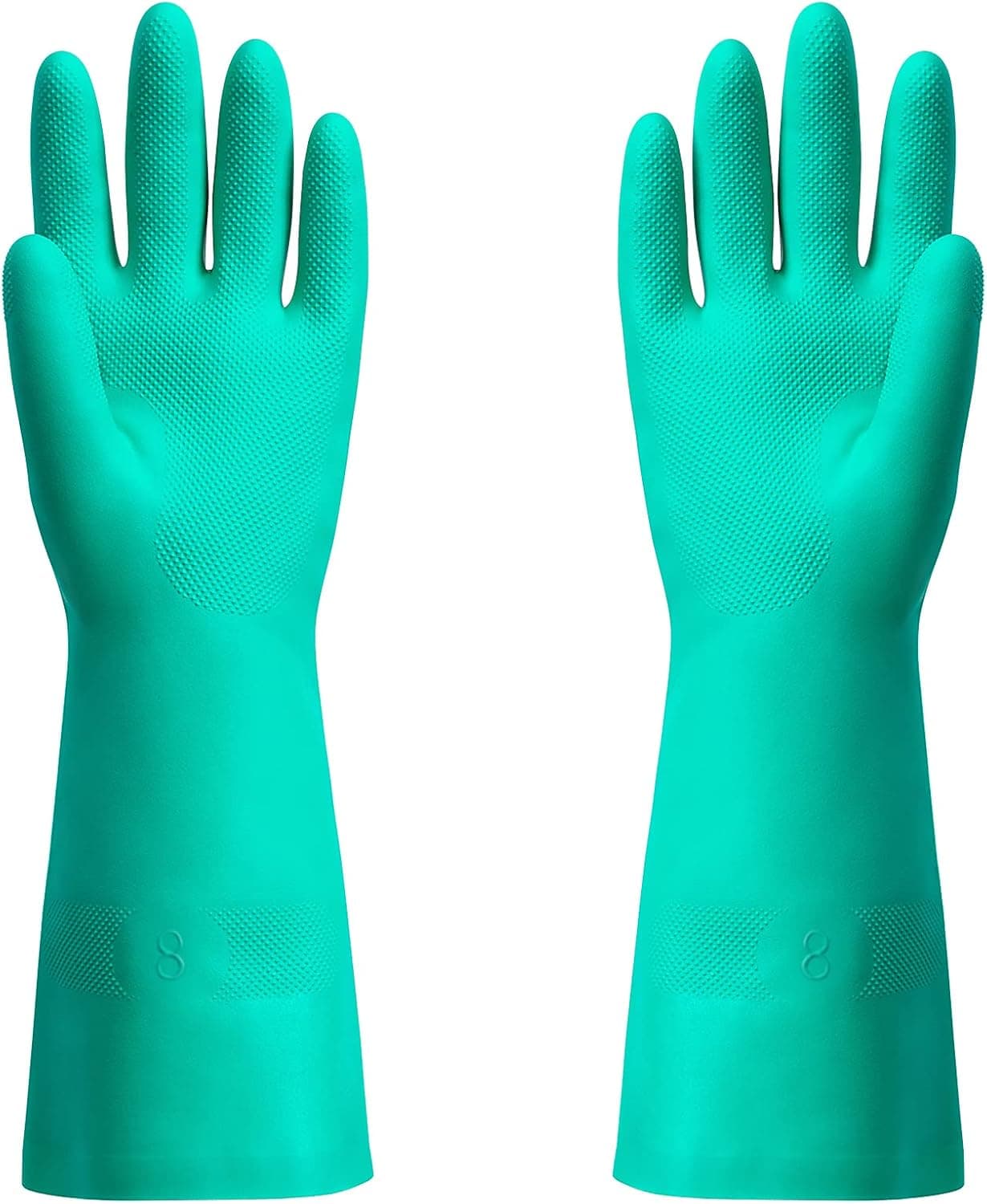
+ 15mil heavy duty nitrile gives strong protection from lye
From our guide: Best Soap Making Equipment
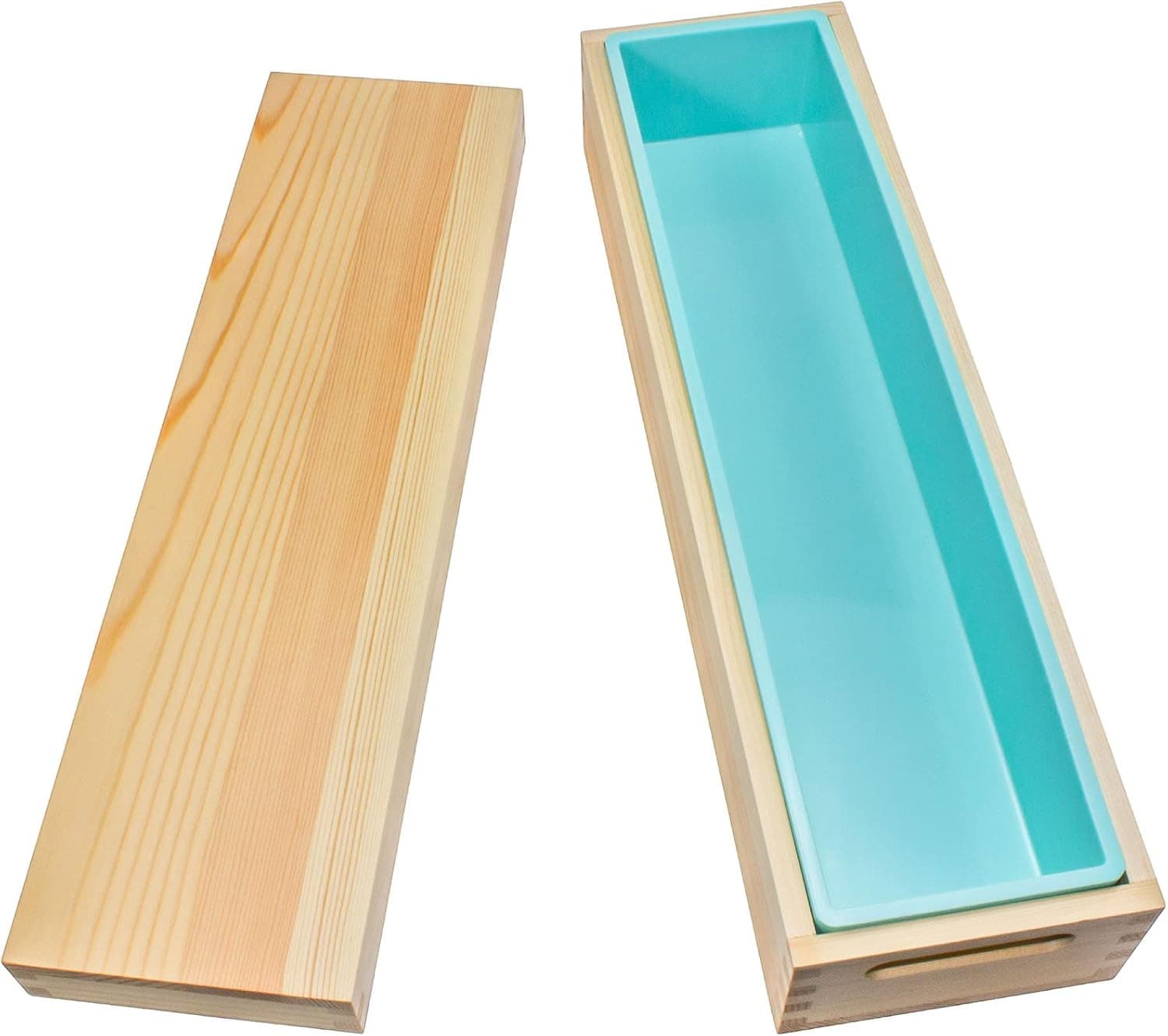
+ Wooden mold with cover provides good insulation for gel phase
From our guide: Best Wooden Soap Molds for Cold Process Bars
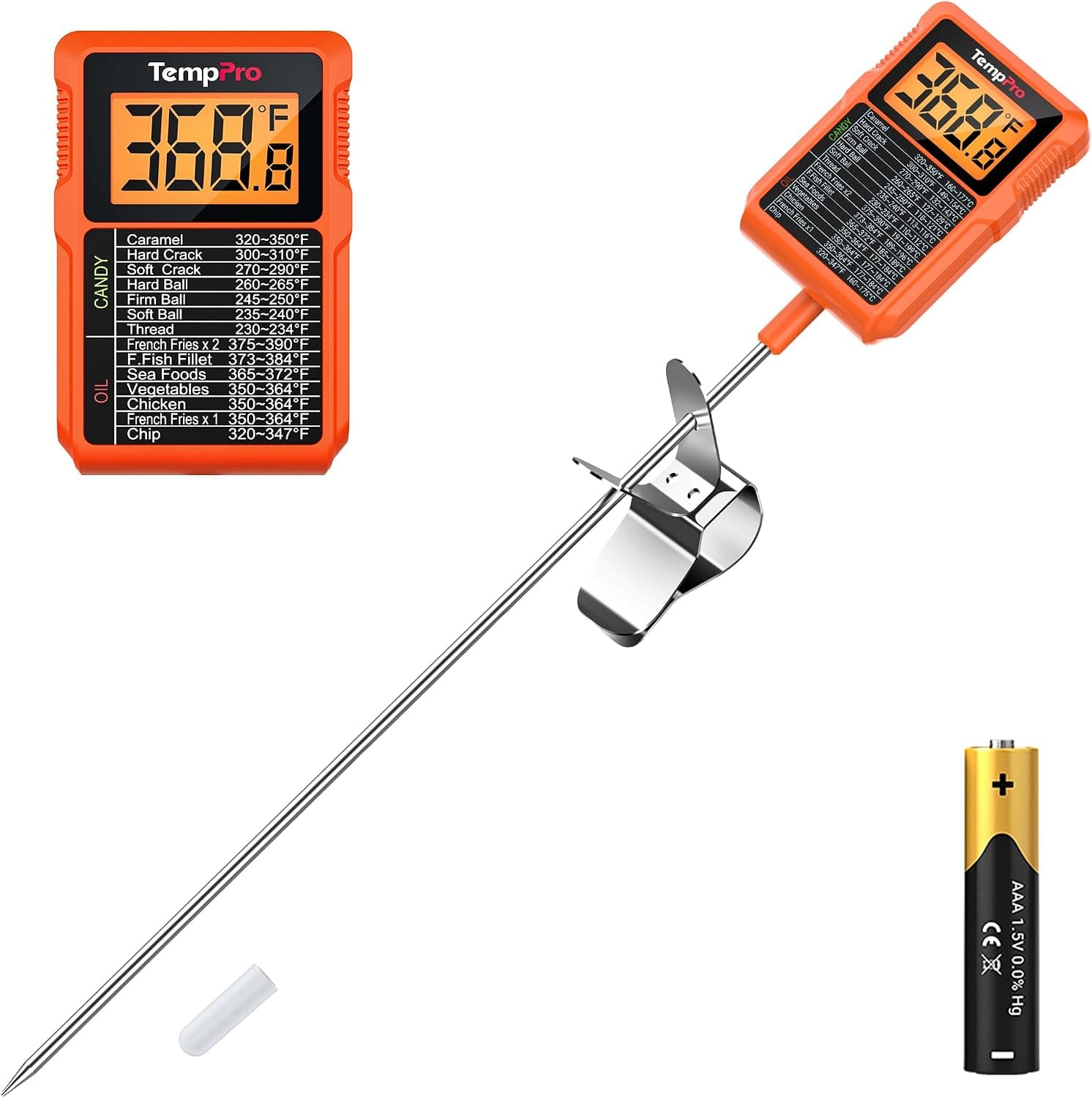
+ Instant read digital display is easy to see while mixing
From our guide: Best Thermometers for Soap Making
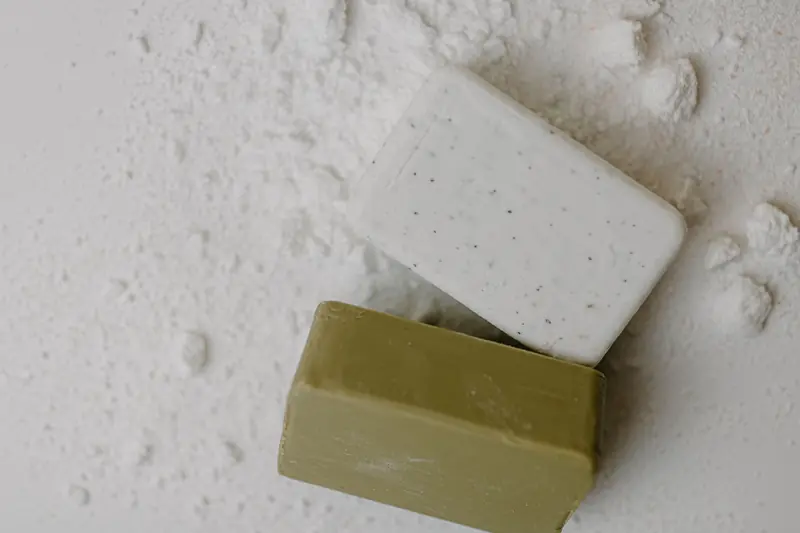
The foundation of lye calculation is the saponification value, or SAP value, of each oil. Every fat and oil requires a specific amount of lye to convert completely into soap. Olive oil, coconut oil, shea butter, and every other ingredient each have their own SAP value determined by their chemistry. Because these values differ, you cannot use a single fixed lye amount for all recipes; the lye must be calculated for your exact combination of oils.
This is why substituting oils casually is risky. If a recipe calls for one pound of coconut oil and you swap in olive oil, the lye requirement changes, because the two oils saponify differently. Coconut oil needs more lye per unit weight than olive oil. Ignoring this and keeping the original lye amount could leave excess, unreacted lye in your bar, making it caustic and unsafe. Every recipe change demands a recalculation.
The practical tool that handles all of this is a lye calculator, often called a soap calculator. You enter each oil and its weight, and the calculator sums the lye needed based on each oil's SAP value. It also lets you choose between sodium hydroxide for solid bars and potassium hydroxide for liquid soap, set your water amount, and select your superfat percentage. In seconds it returns the exact lye and water weights for a safe, balanced recipe.
Superfat, sometimes called lye discount, is built into these calculations. By telling the calculator you want, say, a five percent superfat, it slightly reduces the lye so that about five percent of your oils remain unsaponified for conditioning. This deliberate margin also acts as a safety buffer, ensuring no free lye is left even if your measurements are slightly off. Always include a sensible superfat rather than calculating for zero.
Accuracy in weighing is what makes the calculation meaningful. Soap making is done entirely by weight, never by volume, because a cup of one oil weighs differently from a cup of another and small errors in lye have big consequences. Use a digital scale that measures in grams for precision, zero it for each ingredient, and double-check your lye weight in particular. The calculator's numbers are only as good as your measurements.
Once you understand SAP values and trust a good calculator, formulating your own recipes becomes genuinely exciting. You can design a bar around the exact oils you want, adjust hardness and lather by changing proportions, and always know your lye is correct. Never use an unverified recipe without running it through a calculator yourself, and never eyeball lye. Master this one skill and the entire craft of cold process soap opens up safely before you.
Popular right now
- Best Melt and Pour Soap BaseBuying guide
- Best Shea Butter for Soap MakingBuying guide
- Choosing Fragrance Oils for SoapArticle
- Embedding Objects in SoapArticle
- Best Natural Soap Colorants From Clays and BotanicalsBuying guide
- How to Use a Soap MoldArticle
Based on the last 28 days of search and visitor data.