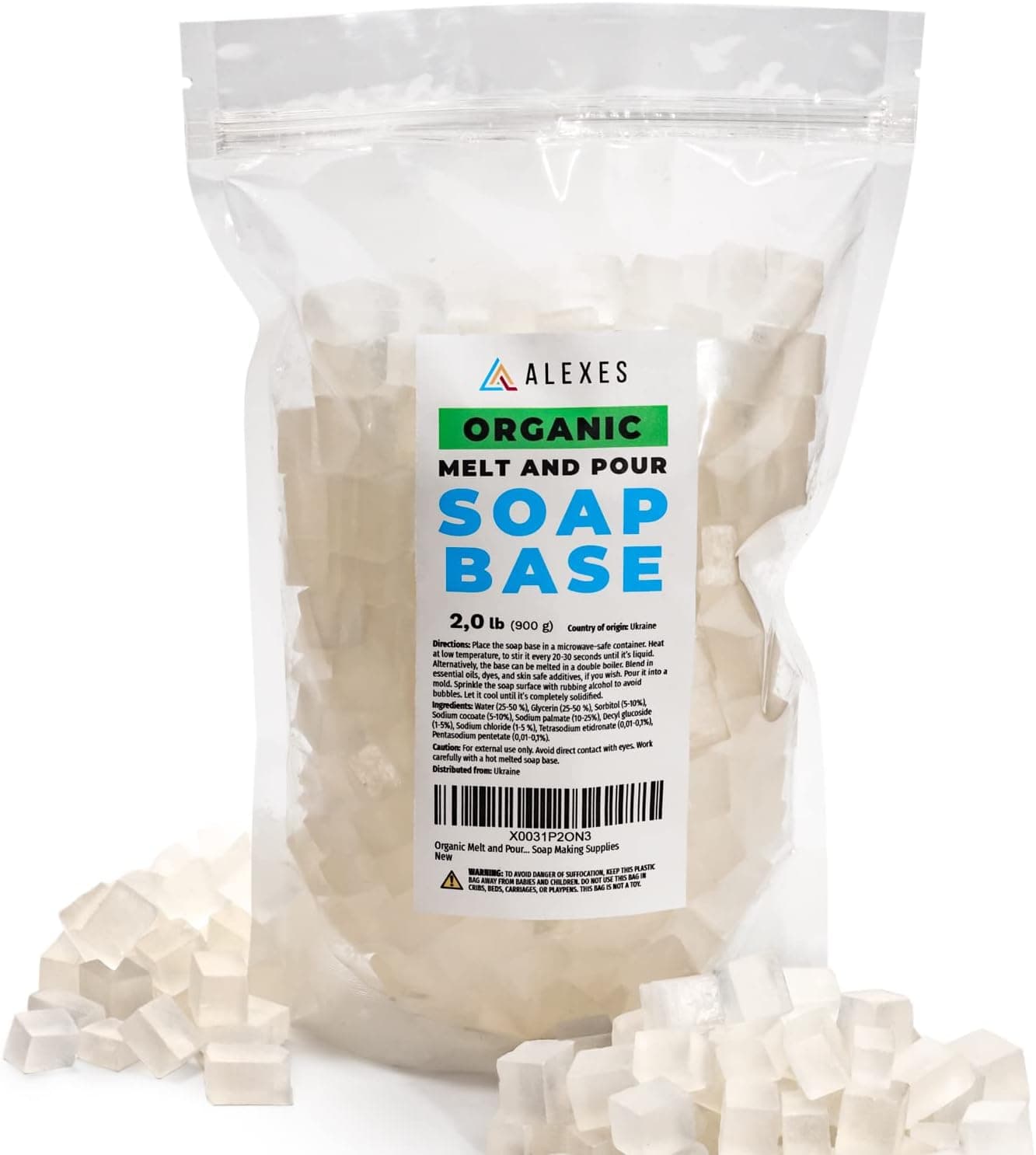
Make beautiful soap at home
Real picks for soap bases, molds, fragrance oils, colorants, cutters, and everything for handmade soap
Reference card
Cold process at a glance
| Superfat | 5% is a common default |
|---|---|
| Water | often 30 to 38% of oil weight |
| Unmold and cut | usually after 24 to 48 hours |
| Cure | about 4 to 6 weeks |
Typical values, check your product's instructions. Always run every recipe through a lye calculator; each oil needs a different amount of lye.
Top picks right now



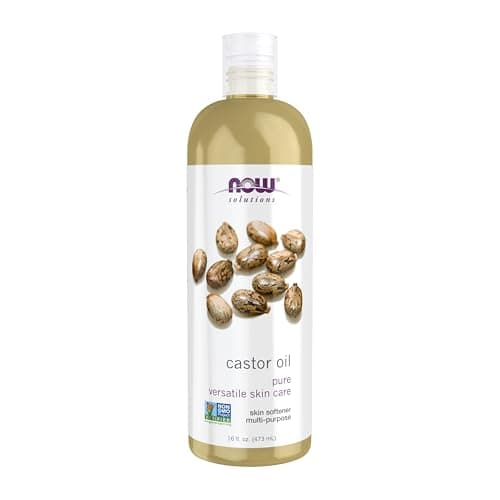
Lye safety
- Mixing add lye to water, never water to lye
- Gear goggles, gloves, long sleeves
- Containers stainless steel or #5 PP plastic, never aluminum
Work in a ventilated space away from kids and pets.
New here?
Start Here: Soap Making for Beginners
8 short steps in the order a beginner needs them, with the guides and tools for each one.
Popular right now
- Best Melt and Pour Soap BaseBuying guide
- Best Shea Butter for Soap MakingBuying guide
- Choosing Fragrance Oils for SoapArticle
- Embedding Objects in SoapArticle
- Best Natural Soap Colorants From Clays and BotanicalsBuying guide
- How to Use a Soap MoldArticle
Based on the last 28 days of search and visitor data.
Start here
All guides →

Shop by category
Soap Base & Lye
Melt-and-pour bases, goat milk and glycerin bases, and lye for cold process.
Browse 9 guides →Oils & Butters
Coconut, olive, castor oils and shea, cocoa, and mango butters for soap.
Browse 9 guides →Soap Molds
Silicone, wooden, loaf, bar, and novelty molds plus liners.
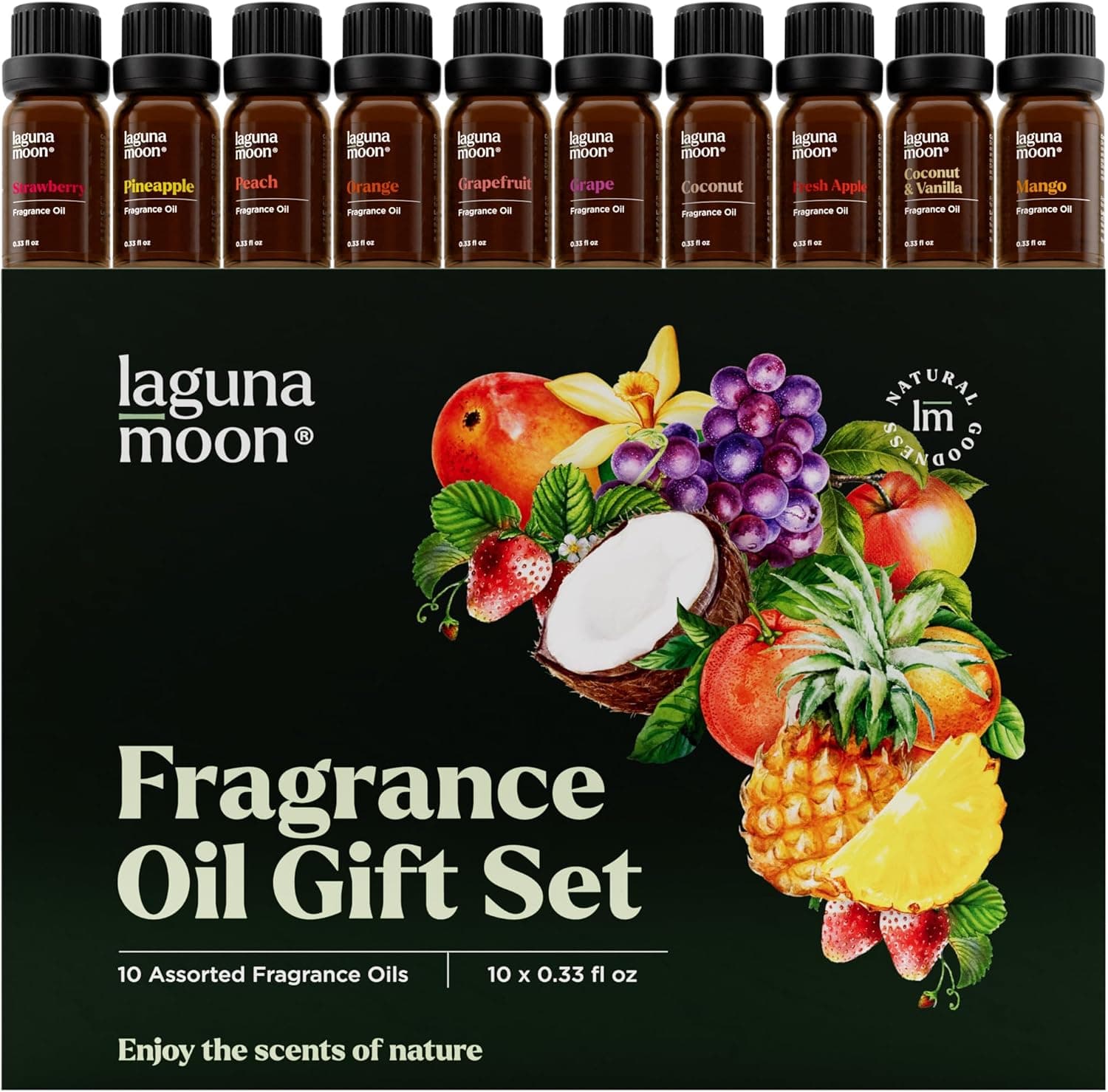
Browse 9 guides →Fragrance & Color
Fragrance and essential oils, micas, dyes, and natural colorants.
Browse 9 guides →Tools & Equipment
Cutters, planers, stick blenders, scales, thermometers, and stamps.
Browse 12 guides →Additives & Finishing
Exfoliants, botanicals, clays, cure racks, safety gear, and packaging.
Browse 11 guides →Best buying guides
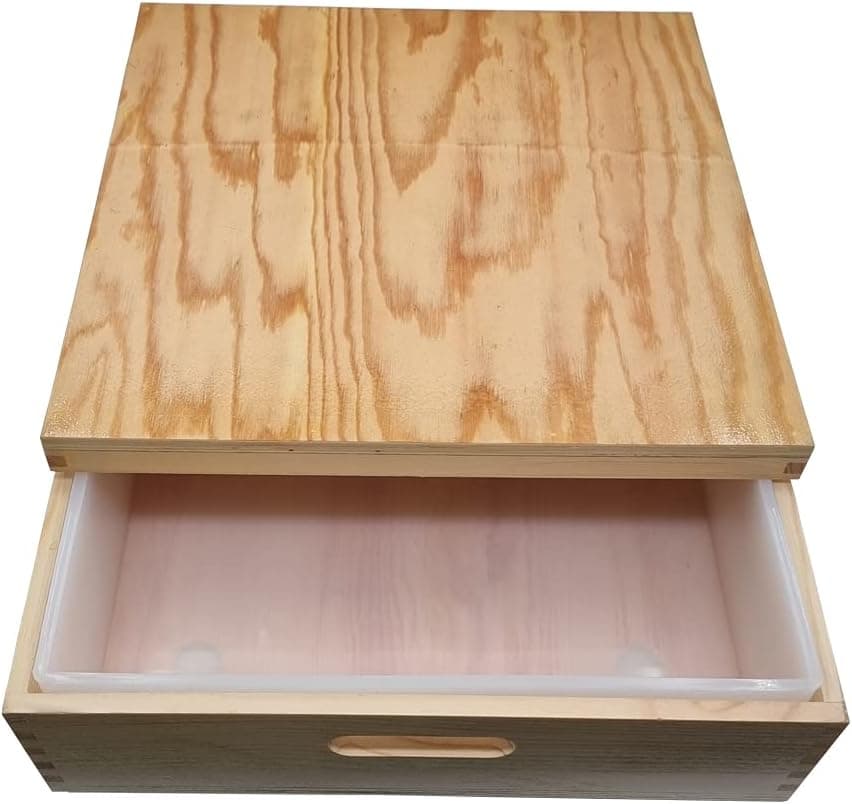
Best Soap Mold Liners for Clean Release
Find the best soap mold liners for wooden and box molds. Learn what to look for in material, fit, and reusability to get smooth, easy-release soap loaves.
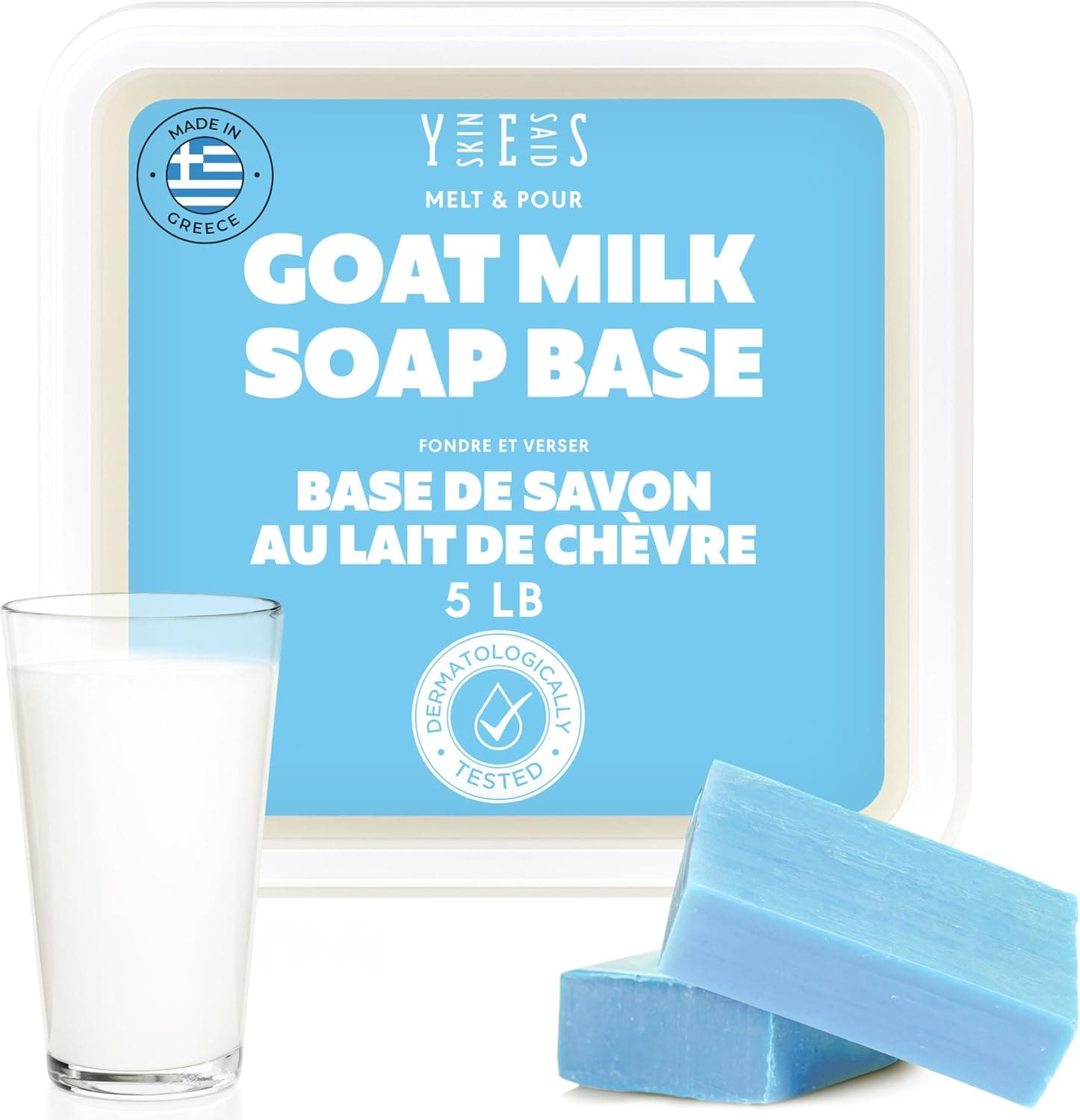
Best Goat Milk Powder for Soap Making
Add creamy lather and skin-loving richness with goat milk powder. Compare the best goat milk powder for soap making by fat content, solubility, and freshness.
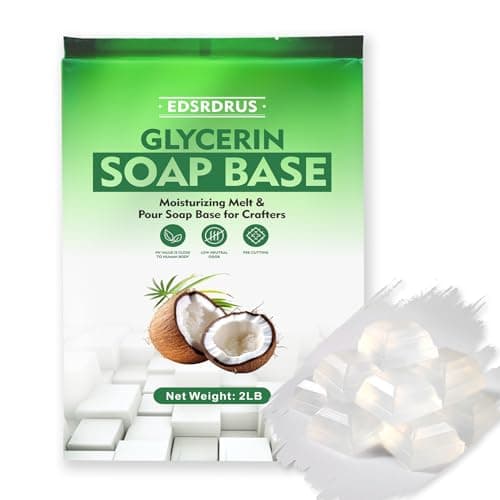
Best Glycerin Soap Base
Find the best glycerin soap base for clear, moisturizing bars. Learn what to check for transparency, lather, and sweating resistance before buying.

Best Shea Butter for Soap Making
Shea butter for soap making compared: raw, refined and organic picks, how each affects scent and color, and how much to use (5 to 15 percent of your oils).
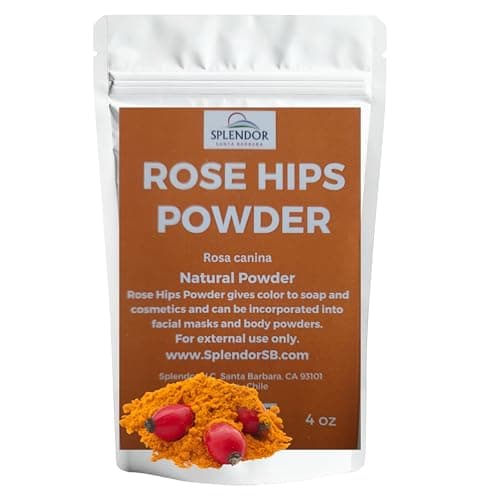
Best Natural Soap Colorants From Clays and Botanicals
Find the best natural soap colorants for handmade bars. Learn what to look for in clays, botanicals, and stability to color soap without synthetic dyes.
Best Melt and Pour Soap Base
Compare the best melt and pour soap bases for home soap makers. See how to pick clarity, lather, and additive-friendly bases for easy custom bars.
Packing tips
All tips →How to Make Lye Solution for Soap Making
How to make lye for soap making: dissolve sodium hydroxide in water the safe way, plus why wood ash lye is a different, less predictable project.
Soap Colorant Chart: Mica, Oxides, Dyes and Natural Colors Compared
Soap colorants compared: mica, oxides, titanium dioxide, dyes, liquid colors, clays and charcoal, with typical usage per pound and which hold up in cold process.
Can You Use Food Coloring in Soap?
Food coloring works in melt and pour soap but bleeds and fades, and often morphs in cold process. When it is fine, how much to use and what to use instead.
Hot Process Soap Stages, From Trace to Vaseline
The stages of hot process soap in order: trace, bubbling edges, separation, applesauce, mashed potatoes and vaseline, plus how to tell when the cook is done.