Natural Soap Colorants
Published How we research
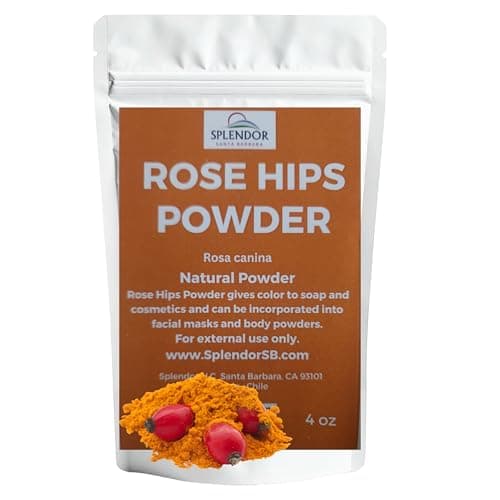
Clays like French green, rose, kaolin, and bentonite are among the most reliable natural colorants, staying stable in soap's high pH. Spices and botanicals like turmeric, paprika, and annatto give warm tones but vary batch to batch. Greens and blues are the trickiest, often fading or browning over time. Activated charcoal produces dramatic, stable grays and blacks. Infusing botanicals like annatto or alkanet root in oil for days extracts color gently. Always test a new colorant in a small batch first, since pigments can shift during saponification or fade after curing. For soap makers who want an all-natural bar, plant-based and mineral colorants offer a beautiful, earthy palette without synthetic dyes or micas. These colorants come from clays, roots, seeds, spices, and other botanical sources, and they connect your soap to a long tradition of coloring with what nature provides. The tones tend to be muted and organic rather than neon bright, which many makers find far more appealing.
Products from this article
The highest-scoring picks from the buying guides this article links to. Scores are our editorial assessment, not customer ratings.
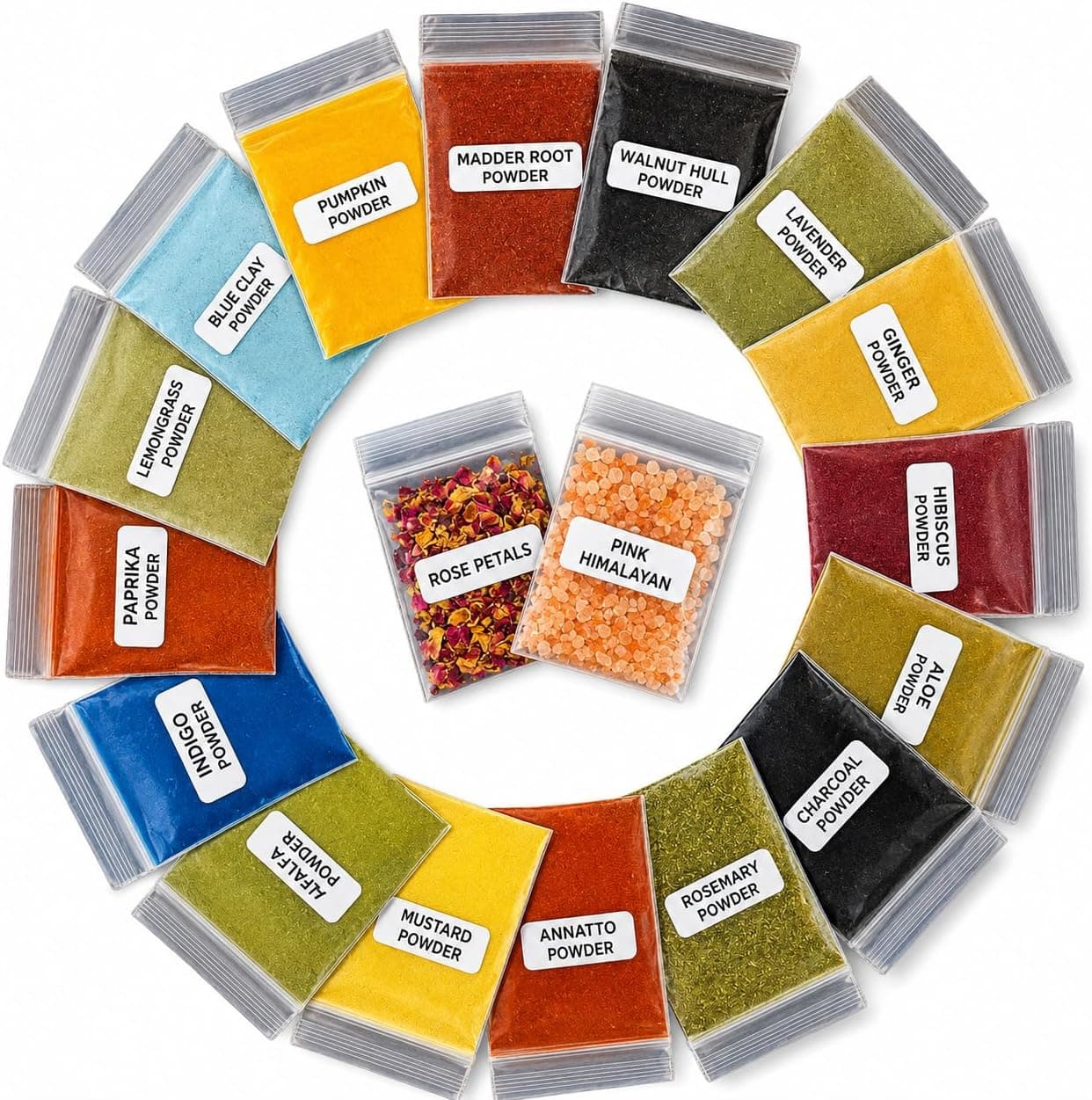
+ 18 powders, clays and herbs give a wide range of natural shades
From our guide: Best Natural Soap Colorants From Clays and Botanicals
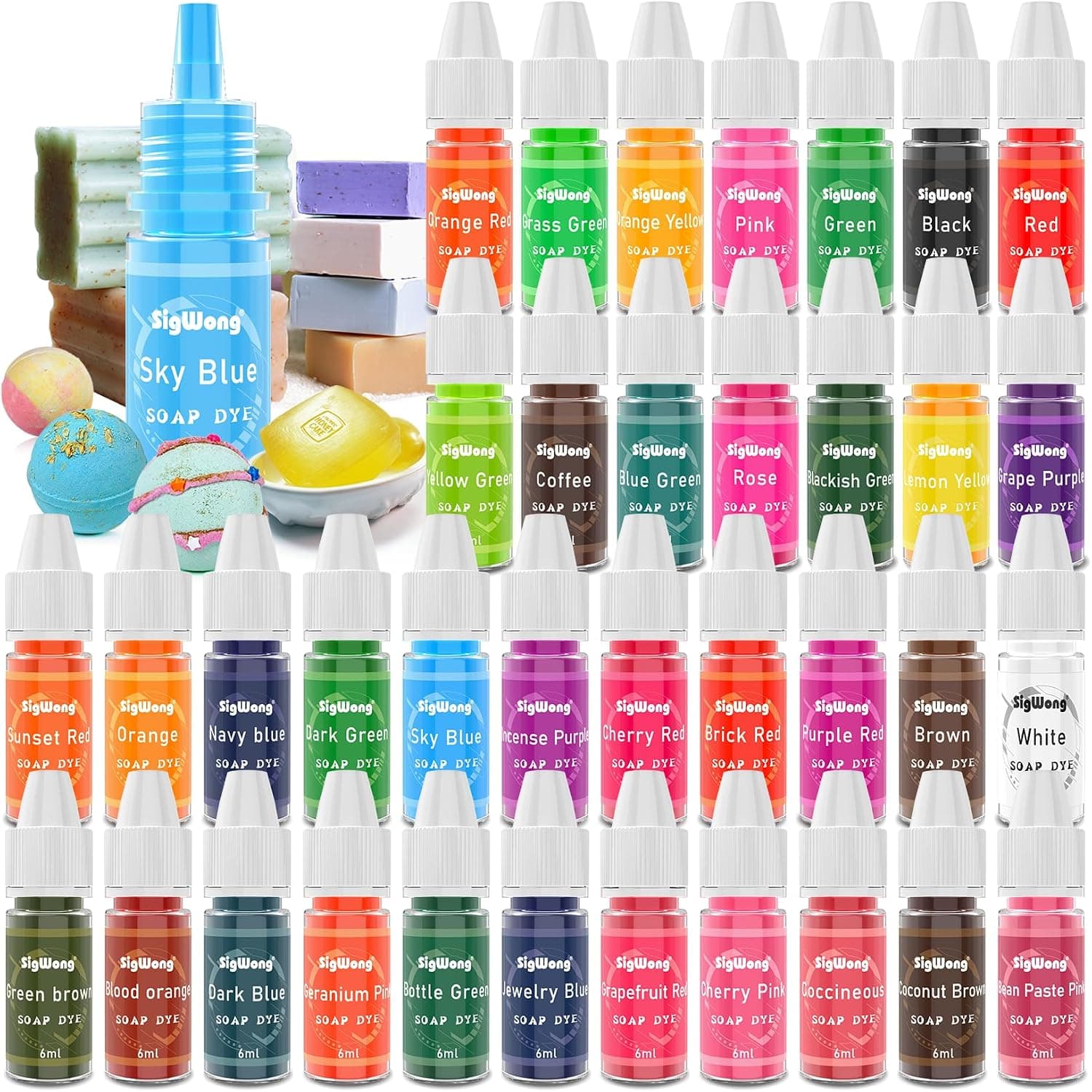
+ 36 Colors is one of the widest liquid dye ranges available
From our guide: Best Soap Dyes for Bright Handmade Bars
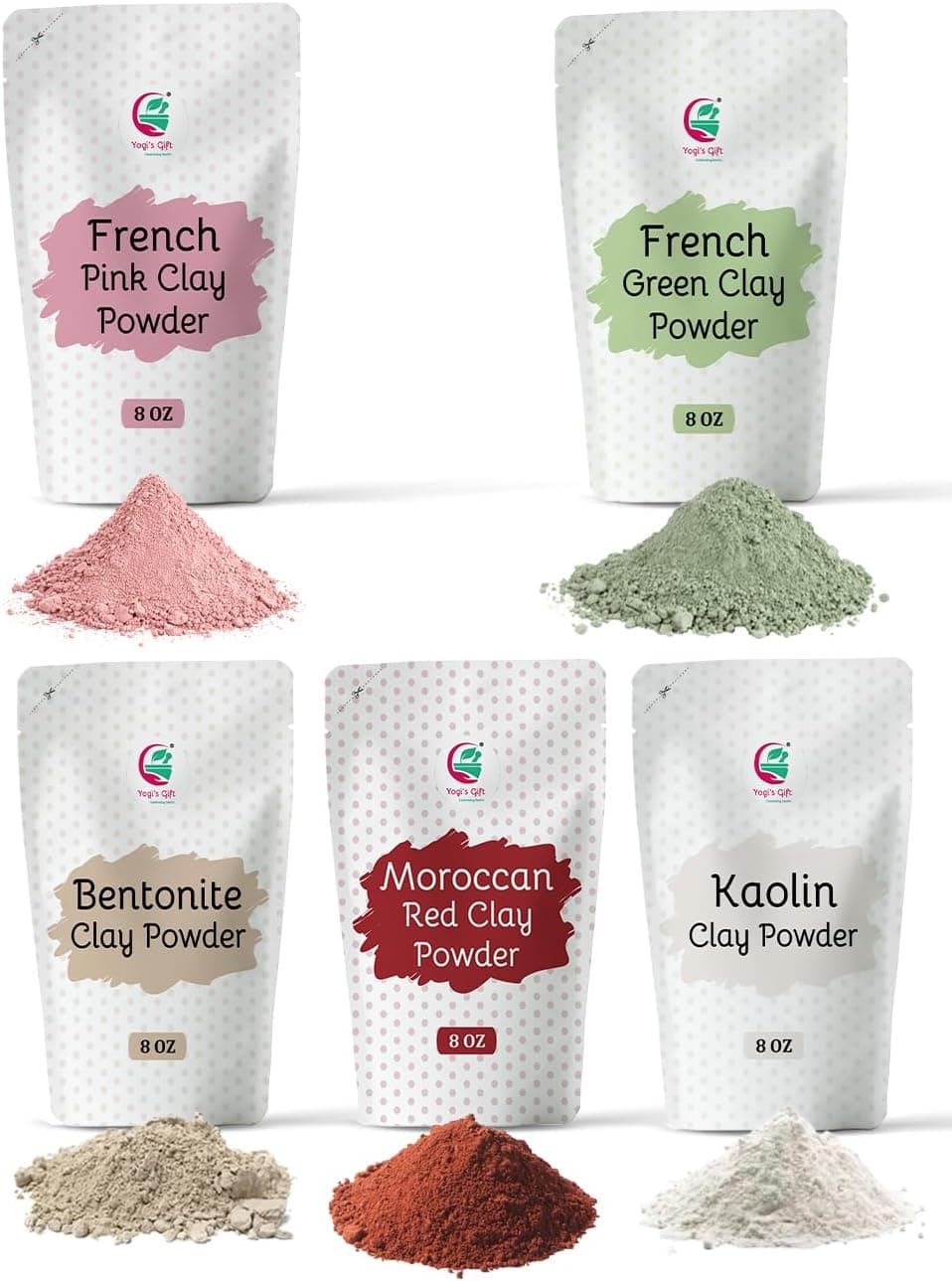
+ 5 clays at 8oz each give plenty for many soap batches
From our guide: Best Cosmetic Clays for Soap Making
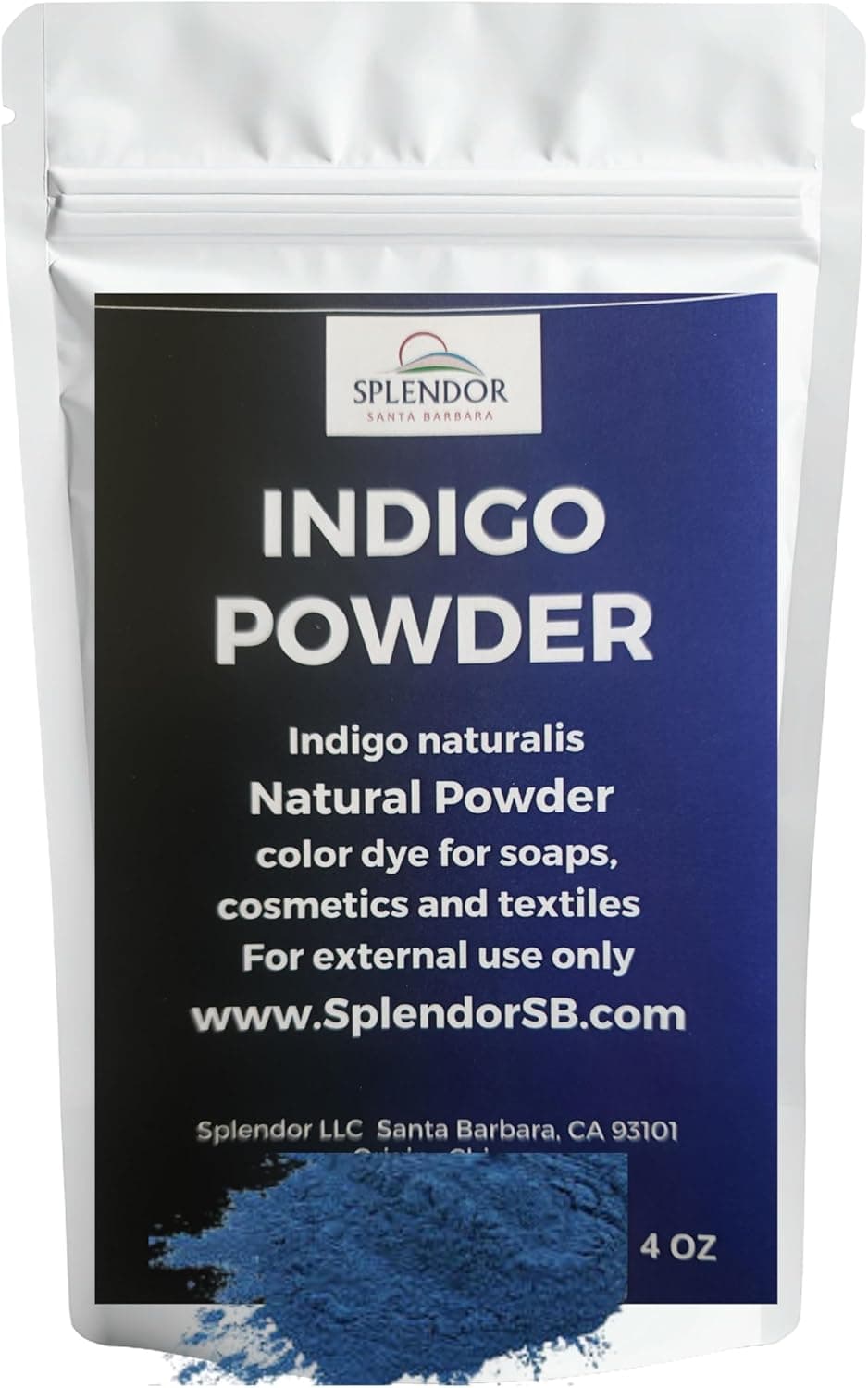
+ 4 oz of indigo covers many batches of blue or teal soap
From our guide: Best Natural Soap Colorants From Clays and Botanicals
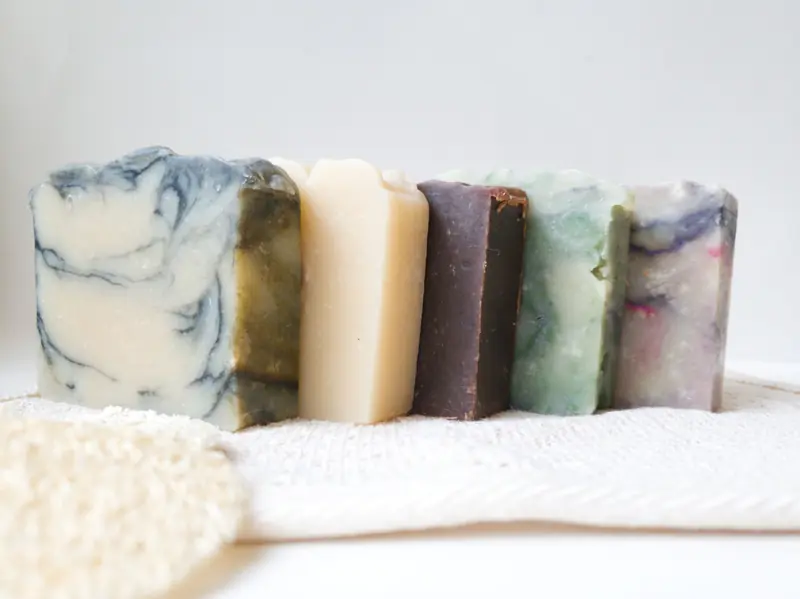
Clays are among the most reliable natural colorants
Clays are among the most reliable natural colorants. French green clay, rose clay, kaolin, and bentonite each lend soft, consistent color while also adding a silky slip and gentle cleansing to the bar. Clays are stable in the high pH of cold process soap and rarely morph, making them a dependable starting point for beginners exploring natural color. Disperse them in a little water or oil before adding to avoid clumps.
Spices and kitchen botanicals provide warm tones
Spices and kitchen botanicals provide warm tones. Turmeric yields sunny yellows and oranges, paprika gives a warm peachy hue, and annatto seed produces a rich golden orange when infused into oil. Cocoa powder and coffee create browns, while madder root can produce pinks and reds. Because plant colors can be unpredictable, start with small amounts and expect some variation from batch to batch depending on the source material.
Greens and blues are the trickiest natural colors
Greens and blues are the trickiest natural colors to achieve. Many green plant powders like spirulina or nettle can fade or turn brownish over time in soap, though they often start out vivid. Indigo and woad produce genuine blues but require careful handling. If long-term color stability is essential, temper your expectations, since natural greens and blues rarely hold as strongly as their synthetic counterparts.
Activated charcoal for dramatic grays and blacks
Activated charcoal deserves special mention for producing dramatic grays and blacks. A small amount gives a soft gray while more creates a deep charcoal bar prized for its detoxifying reputation. It disperses easily and is very stable, making it a favorite for high-contrast natural swirls. Pair charcoal with a pale clay for striking two-tone designs that need no synthetic colorant at all.
Infusing extracts color gently from botanicals
Infusing is a useful technique for extracting color from botanicals. You can steep annatto seeds, alkanet root, or calendula petals in a liquid oil for several days or weeks, then use that colored oil as part of your recipe. This gentle method draws out pigment while adding the botanical's character. Strain well before use so stray plant matter does not create unwanted specks in the finished bar.
Patience and experimentation pay off with natural color
Working with natural colorants requires a bit more patience and experimentation than reaching for a stable mica, but the payoff is a genuinely botanical product with subtle, sophisticated tones. Keep detailed notes on quantities and sources, since agricultural products vary. Over time you will assemble a trusted set of clays, spices, and infusions that let you color soap beautifully using nothing but the earth's own pigments.
Always test a new colorant in a small batch first
One final tip is to always test a new natural colorant in a small batch before committing to a full loaf. Plant pigments can behave surprisingly, shifting shade during saponification or fading weeks later, and a small test bar reveals these tendencies cheaply. Note the amount used, how it looked fresh, and how it looked after a full cure. This habit protects you from disappointing surprises and steadily builds a reliable personal palette of natural colors you can reproduce with confidence.
Frequently asked questions
What natural ingredients give the most reliable soap color? Clays such as French green clay, rose clay, kaolin, and bentonite are the most reliable, since they stay stable in cold process soap's high pH and rarely morph.
Can I use turmeric to color soap naturally? Yes, turmeric yields sunny yellows and oranges, though like other plant colorants it can vary batch to batch depending on the source material, so start with small amounts.
Why do natural green and blue soap colorants fade? Many green plant powders like spirulina or nettle fade or turn brownish over time in soap's alkaline environment, and even indigo or woad blues require careful handling to hold their color.
Should I test a new natural soap colorant before a full batch? Yes, always test in a small batch first, since plant pigments can shift shade during saponification or fade weeks later, and a small test reveals this cheaply before you commit a full loaf.
Popular right now
- Best Melt and Pour Soap BaseBuying guide
- Best Shea Butter for Soap MakingBuying guide
- Choosing Fragrance Oils for SoapArticle
- Embedding Objects in SoapArticle
- Best Natural Soap Colorants From Clays and BotanicalsBuying guide
- How to Use a Soap MoldArticle
Based on the last 28 days of search and visitor data.