Hot Process Soap Basics
Published How we research
Hot process soap uses the same chemistry as cold process but adds heat, typically in a slow cooker or oven, to drive saponification to completion in hours rather than days. The batter bubbles and thickens like mashed potatoes as it cooks, becoming a translucent, waxy paste when done, safe to use much sooner than cold process. You can add fragrances and delicate additives after the cook since they're exposed to a milder environment. The trade-off is a rustic, rugged surface rather than smooth cold-process perfection. Even though usable quickly, letting it dry a week or more still improves longevity and lather. Hot process soap making takes the same fundamental chemistry as cold process and adds heat to speed things along. By cooking the soap batter, you drive saponification to completion in a matter of hours rather than waiting for it to finish slowly in the mold. The result is a bar with a distinctive rustic look, a shorter wait before use, and a few unique advantages that make hot process a favorite for many makers.
Products from this article
The highest-scoring picks from the buying guides this article links to. Scores are our editorial assessment, not customer ratings.
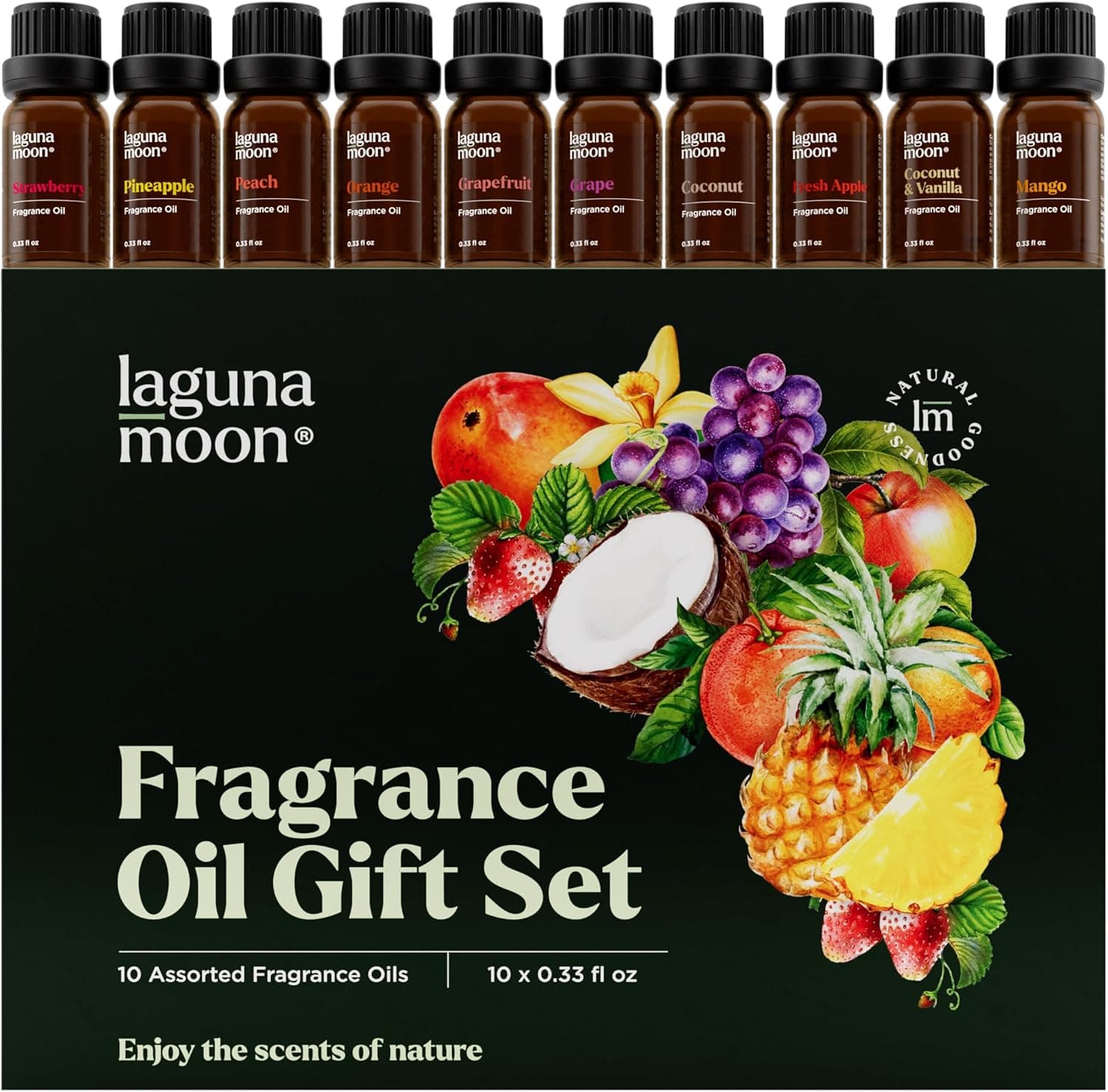
+ 10 Pcs set lets you sample several scents before buying large bottles
From our guide: Best Fragrance Oils for Handmade Soap
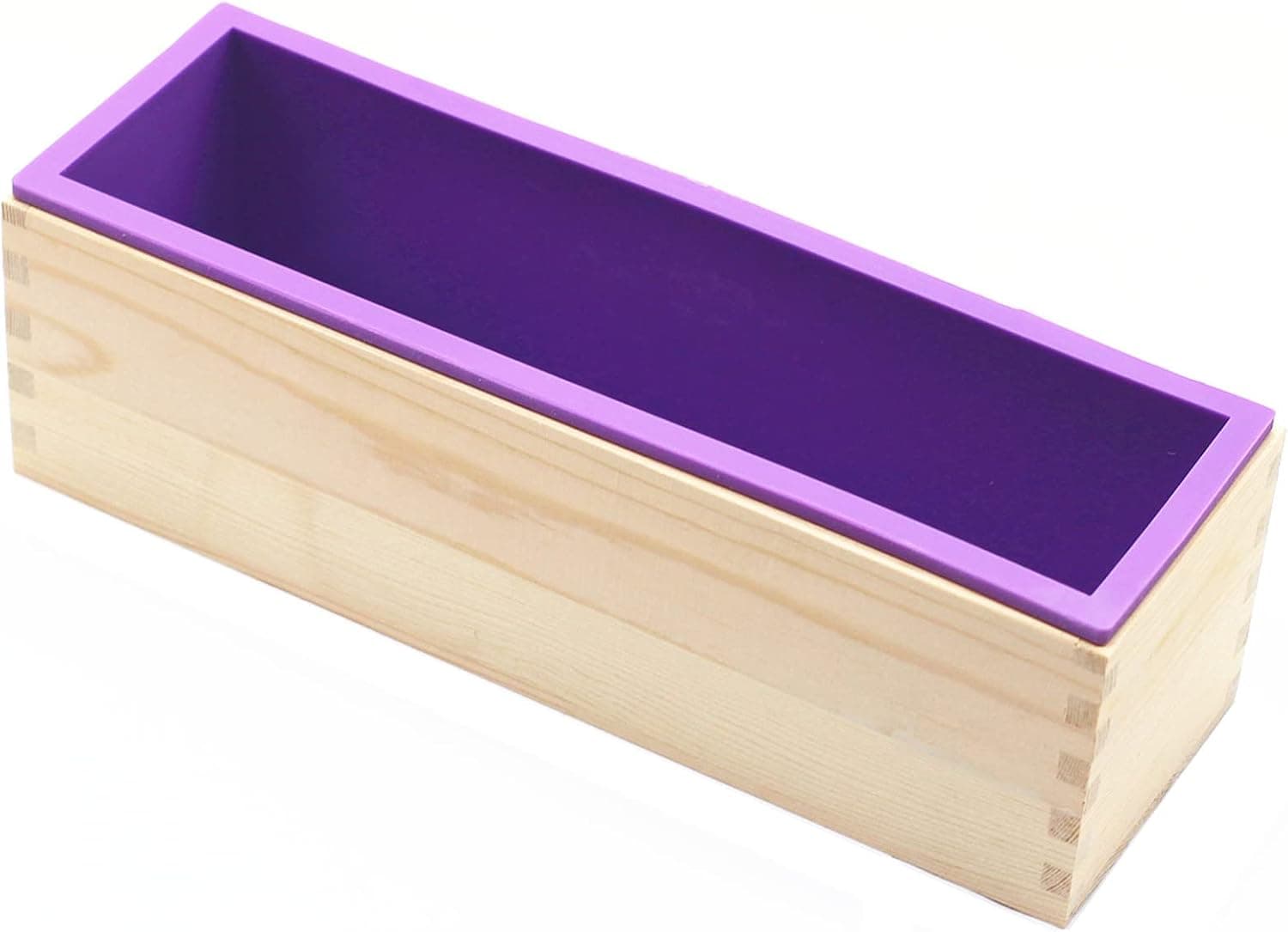
+ Wood box supports the silicone liner so the loaf keeps straight sides
From our guide: Best Loaf Soap Molds for Home Soap Makers
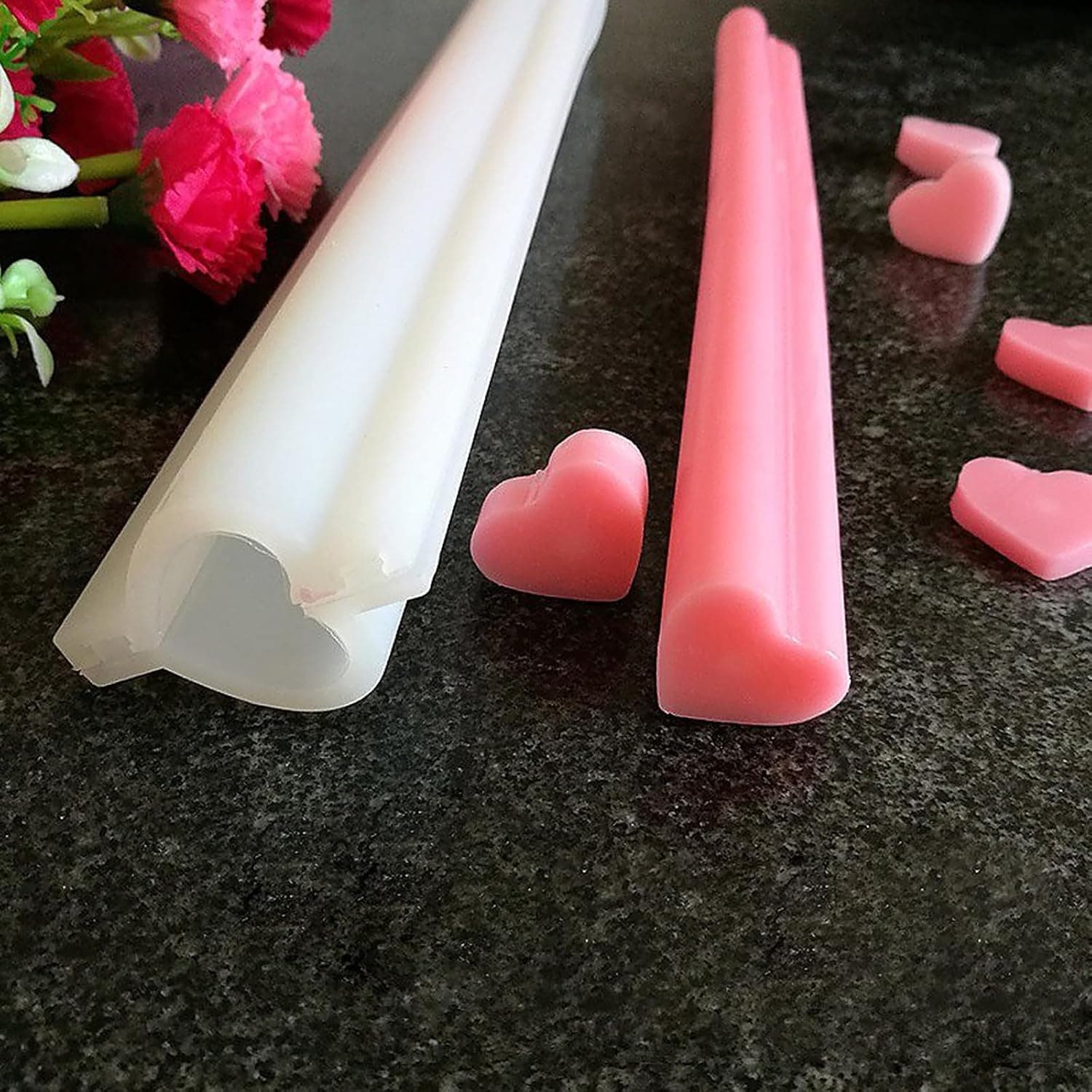
+ Heart embed shows a heart in every slice, ideal for Valentine bars
From our guide: Best Embed Soap Molds for Layered Soap Designs
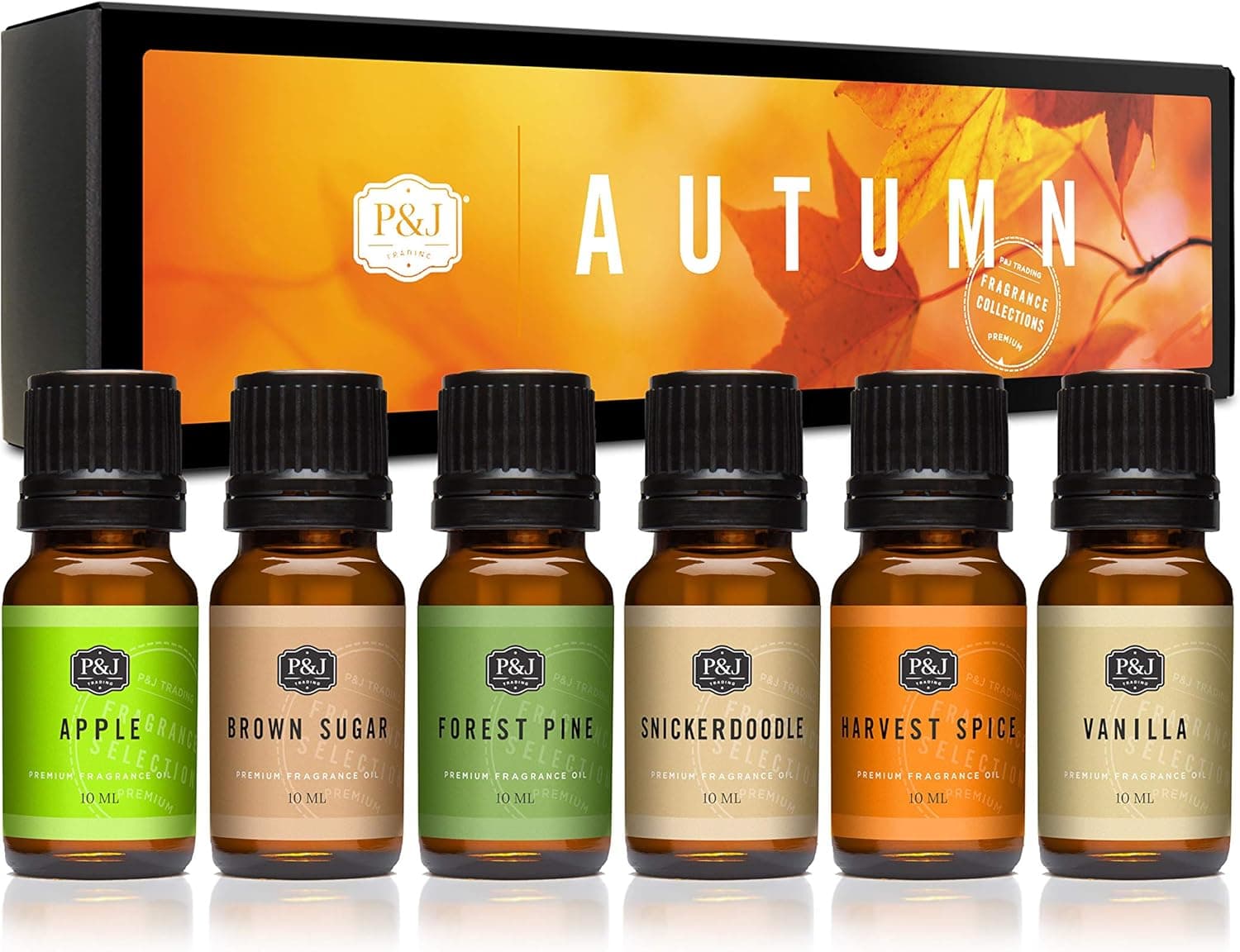
+ Autumn scents like brown sugar and harvest spice suit fall gift soaps
From our guide: Best Fragrance Oils for Handmade Soap
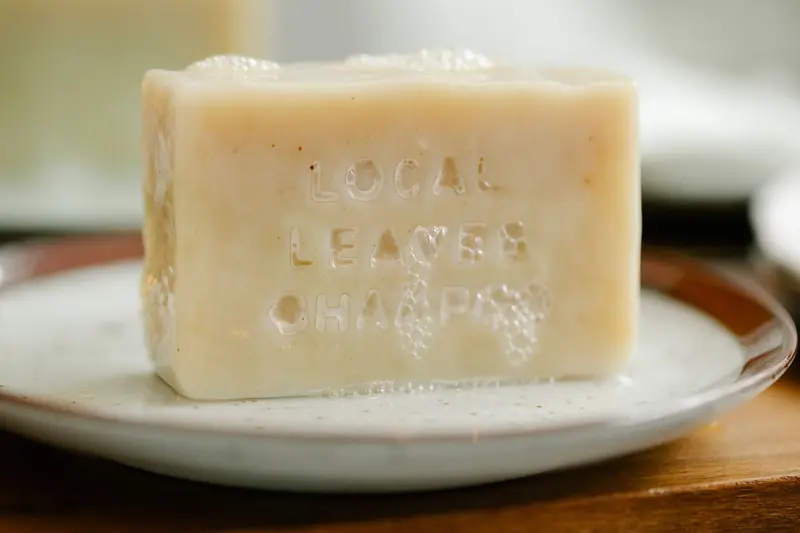
The process begins just like cold process
The process begins just like cold process: you combine your oils with a lye solution and bring the mixture to trace. From there, instead of pouring into a mold, you apply heat, typically in a slow cooker, oven, or double boiler, and cook the batter. The heat accelerates the reaction between oils and lye, and over the next hour or so the soap goes through visible stages, often bubbling, thickening, and folding over on itself like mashed potatoes or applesauce.
Knowing when the cook is done is a key skill
Knowing when the cook is done is a key skill. As saponification completes, the batter transforms into a translucent, waxy, thick paste. Experienced makers judge doneness by appearance and sometimes by testing the pH. Once fully cooked, the soap is essentially finished reacting, which is the defining benefit of hot process: because the lye has already done its work, the bar is safe to use much sooner than cold process, after only a short firming and drying period.
One practical advantage: adding ingredients after the cook
One practical advantage is the ability to add ingredients after the cook. Since saponification is largely complete, fragrances and delicate additives you stir in at the end are exposed to a milder environment than raw batter, so scents can survive better and you can more precisely target which oils remain as superfat. This makes hot process attractive for using expensive essential oils or additives you want to protect from the harshness of active lye.
The trade-off is texture and appearance
The trade-off is texture and appearance. Because the cooked batter is thick and paste-like when it goes into the mold, hot process soap has a characteristically rustic, rugged surface rather than the smooth, poured perfection of cold process. Intricate swirls and fine detail are difficult to achieve. Many makers embrace this rustic charm, while others who want glassy tops and elaborate designs prefer cold process. Neither is better; they simply suit different aesthetics.
Hot process still benefits from some patience
Hot process still benefits from some patience even though it is usable quickly. While the completed reaction means the bar is safe soon after molding, letting it dry and harden for a week or more improves its longevity and lather, much as curing does for cold process. So although you can use a hot process bar within a day or two in a pinch, giving it time still produces a better, longer-lasting soap.
Why hot process reassures beginners
For beginners, hot process offers reassurance because you can see the soap complete its reaction before your eyes and worry less about a raw, lye-heavy bar. It requires the same lye safety, accurate weighing, and lye calculation as any from-scratch method, so those fundamentals still apply. If you enjoy a hands-on, rustic approach and value getting to a finished bar faster, hot process is a rewarding technique well worth adding to your soap making skills.
Frequently asked questions
How is hot process soap different from cold process? Hot process cooks the batter, usually in a slow cooker or oven, to drive saponification to completion in hours, giving it a rustic texture and a much shorter wait before the bar is safe to use.
Can hot process soap be used right after making it? Because the lye has already finished reacting during the cook, hot process soap is safe to use much sooner than cold process, though letting it dry for a week or more still improves longevity and lather.
Why add fragrance after the cook in hot process soap? Since saponification is largely complete, fragrances and delicate additives stirred in at the end are exposed to a milder environment, helping scents survive better than in raw cold-process batter.
Why does hot process soap look more rustic than cold process? The cooked batter is thick and paste-like when it goes into the mold, giving it a characteristically rugged surface rather than the smooth, poured tops possible with cold process.
Popular right now
- Best Melt and Pour Soap BaseBuying guide
- Best Shea Butter for Soap MakingBuying guide
- Choosing Fragrance Oils for SoapArticle
- Embedding Objects in SoapArticle
- Best Natural Soap Colorants From Clays and BotanicalsBuying guide
- How to Use a Soap MoldArticle
Based on the last 28 days of search and visitor data.