Goat Milk Soap Basics
Published How we research
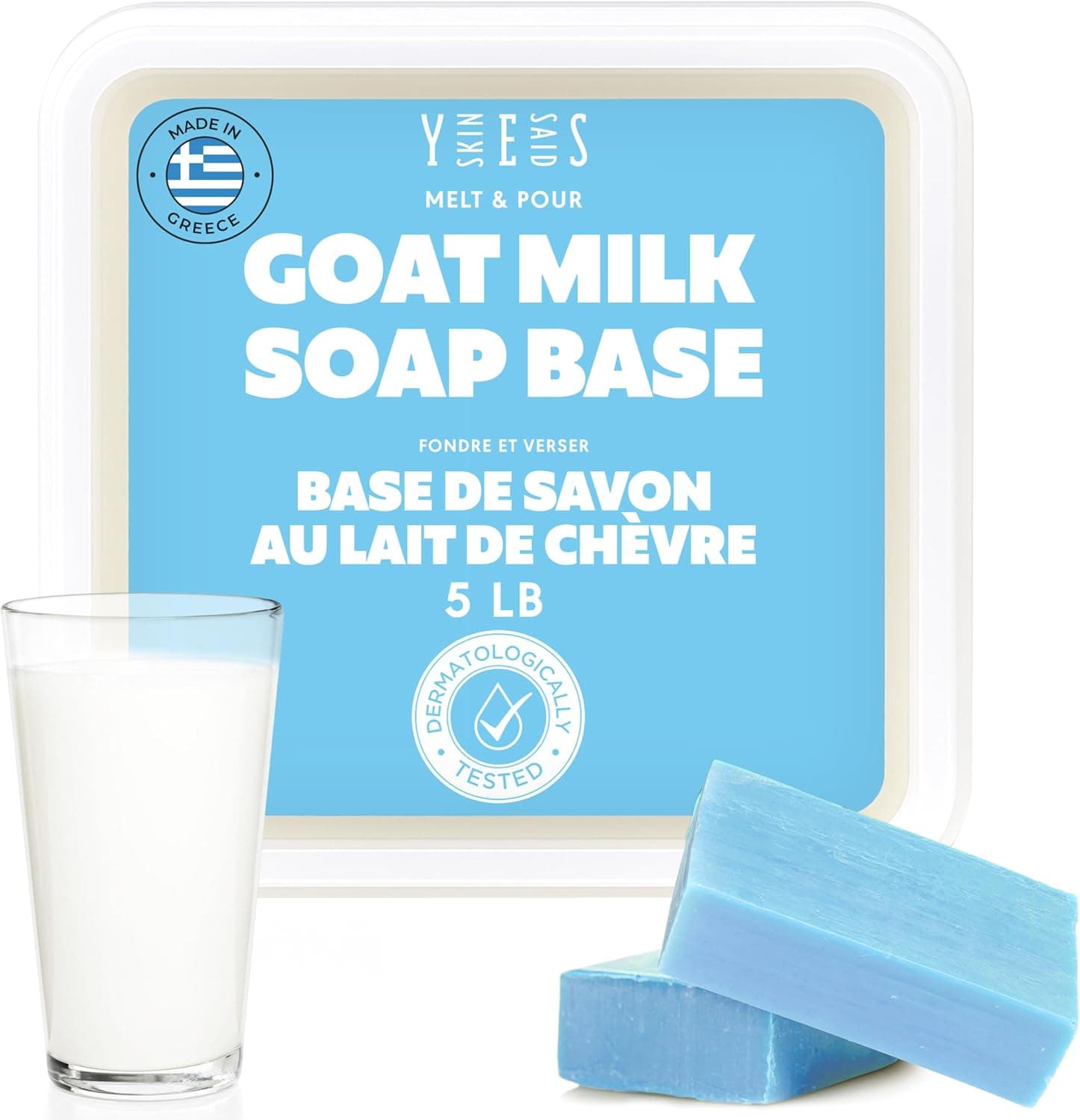
Goat milk soap has a devoted following, and for good reason. The natural fats, proteins, and gentle acids in goat milk create a bar that is famously creamy, mild, and pleasant on the skin. Making it at home is very achievable once you understand a few adjustments to standard cold process technique. The main challenge is simply managing the milk's sensitivity to heat during the lye stage.
Products from this article
The highest-scoring picks from the buying guides this article links to. Scores are our editorial assessment, not customer ratings.
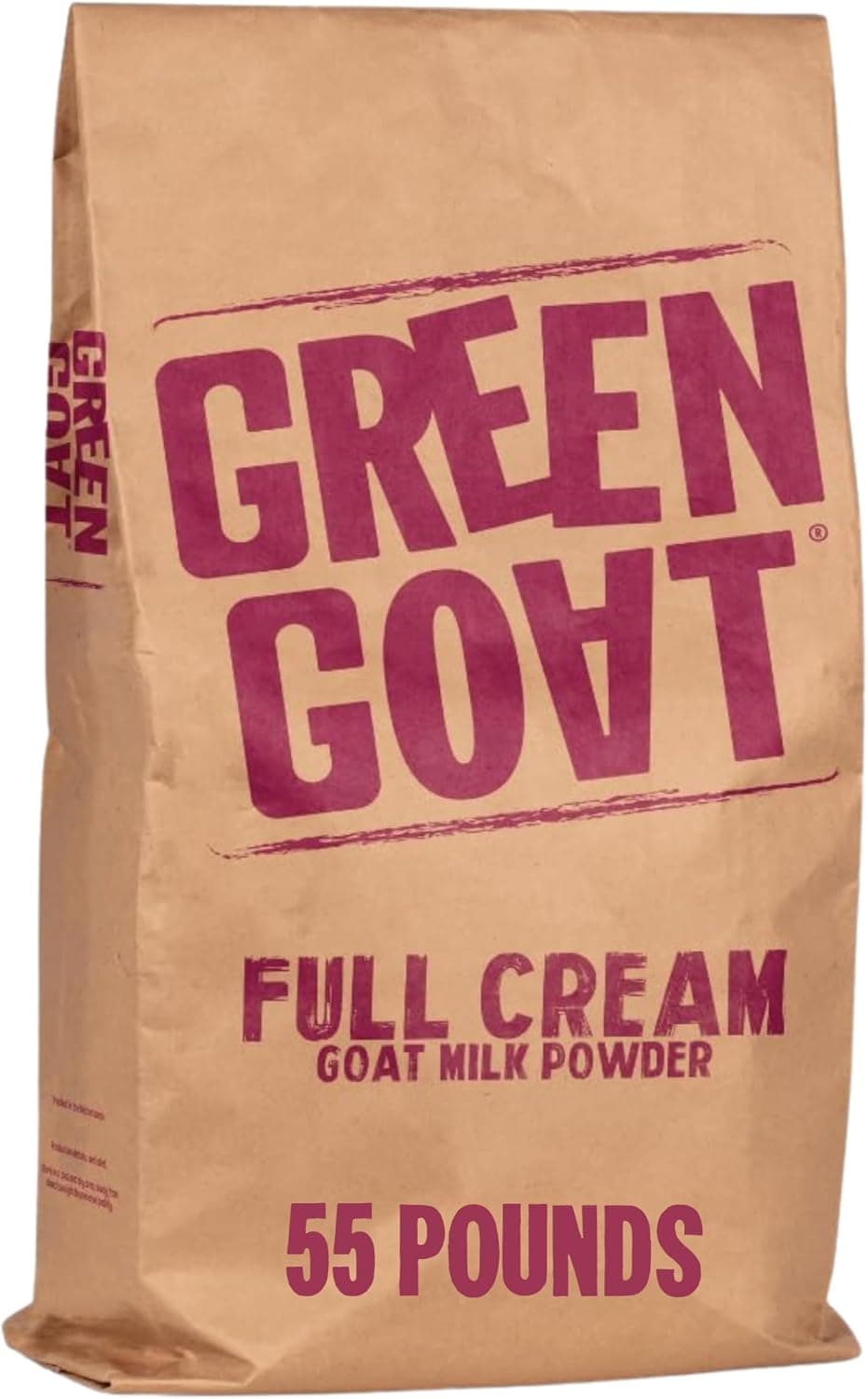
+ 55 Pounds bulk supply suits soap businesses making milk bars daily
From our guide: Best Goat Milk Powder for Soap Making
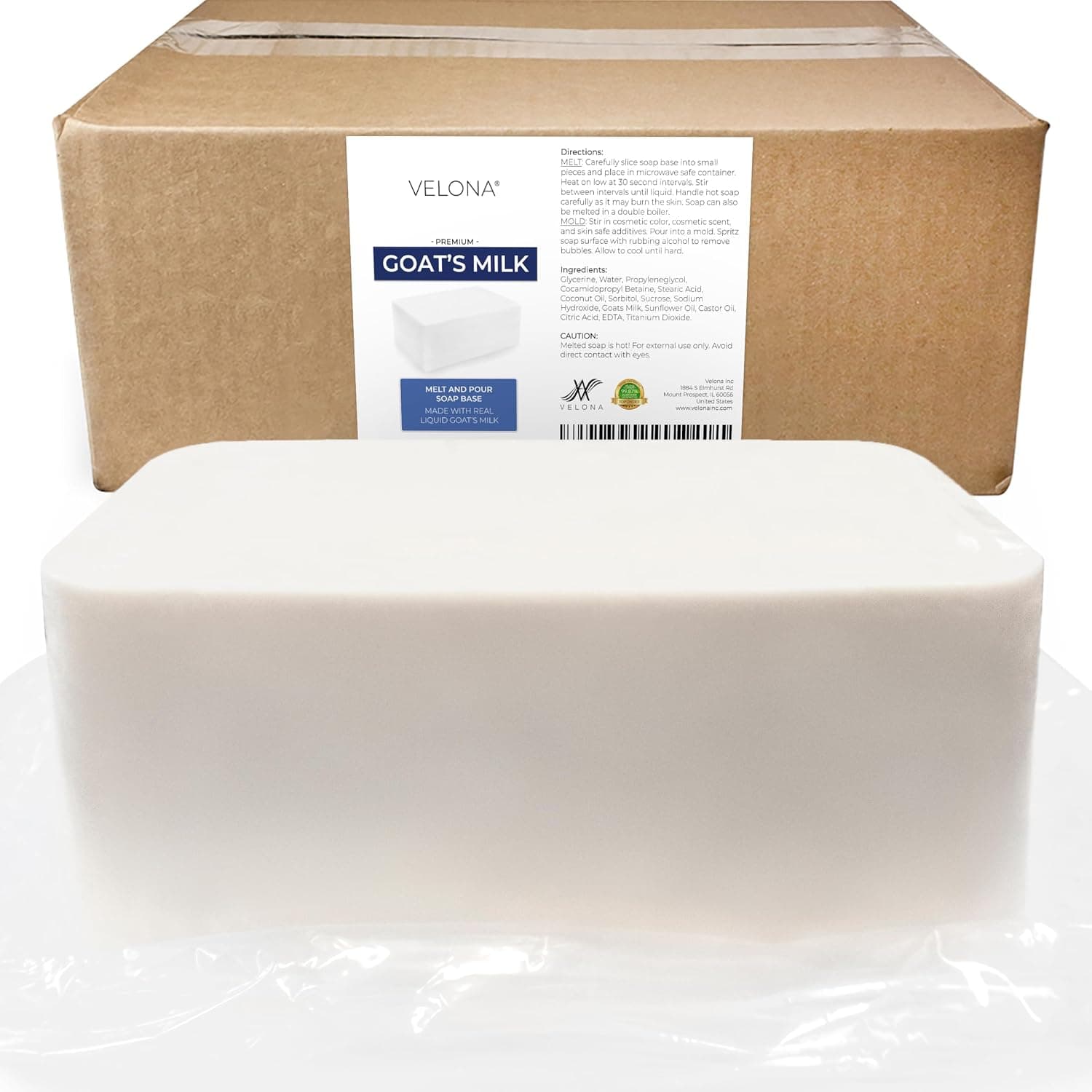
+ Wholesale 25 LB quantity keeps cost per goat milk bar very low
From our guide: Best Goats Milk Soap Base
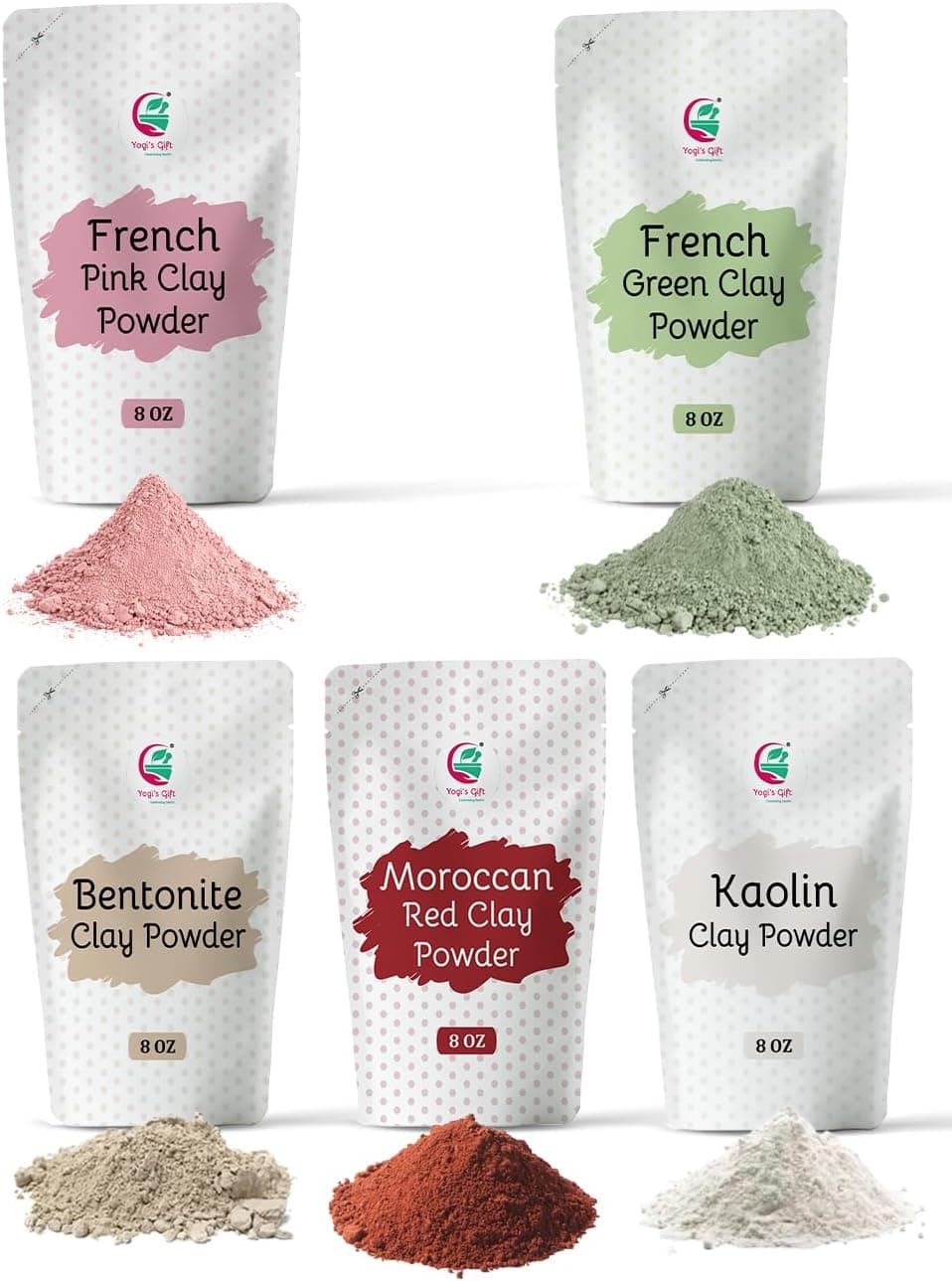
+ 5 clays at 8oz each give plenty for many soap batches
From our guide: Best Cosmetic Clays for Soap Making
+ Single ingredient powder keeps soap labels simple
From our guide: Best Goat Milk Powder for Soap Making
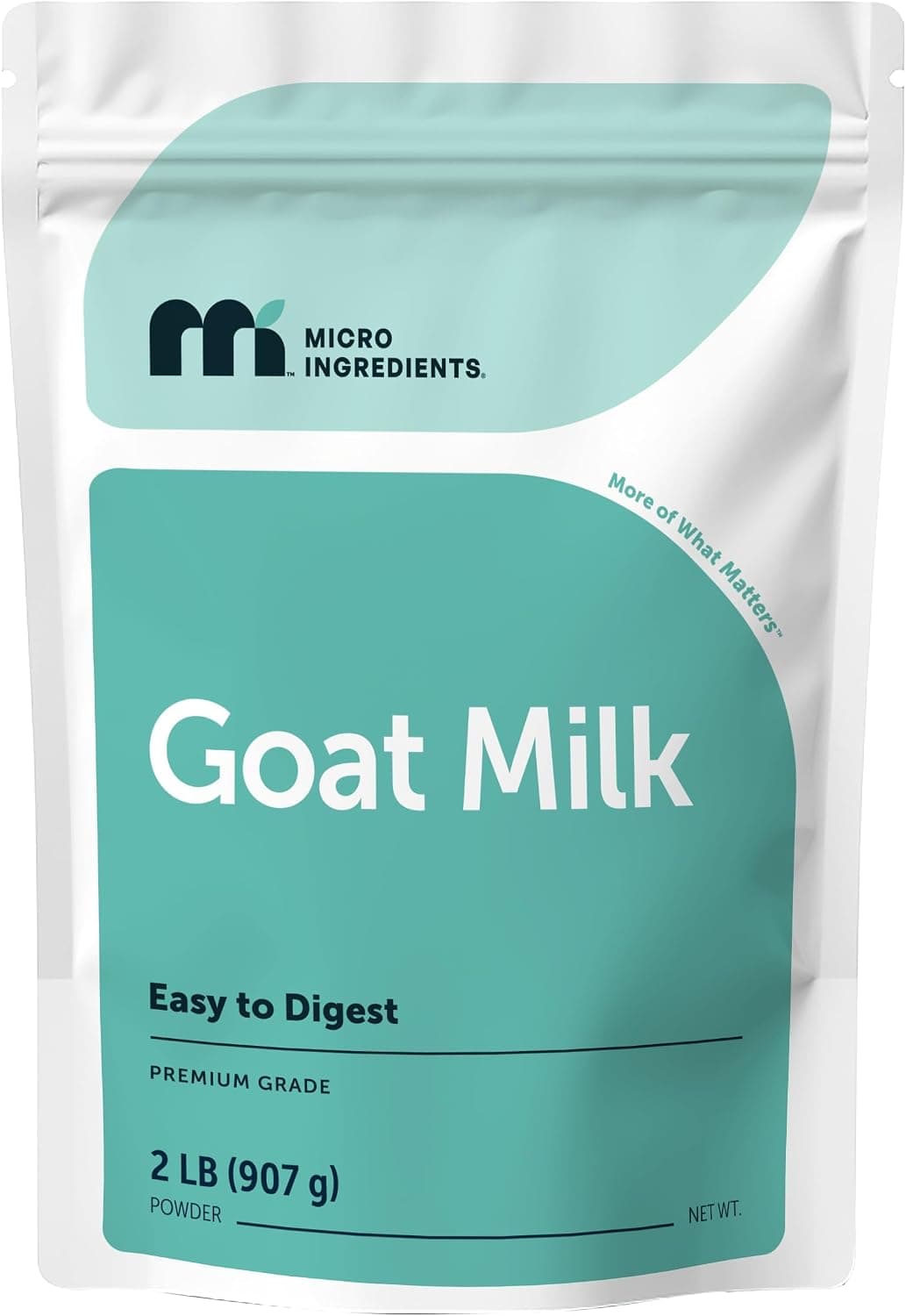
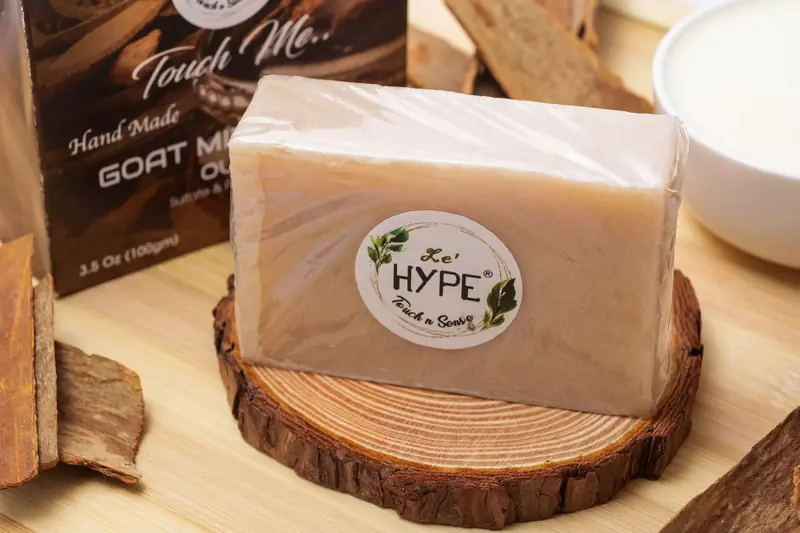
The core problem to solve is that milk contains sugars, and when you add lye to milk, those sugars can scorch. Lye generates significant heat as it dissolves, and that heat combined with milk sugars can turn your mixture orange, brown, or even a burnt tan, while releasing an unpleasant ammonia-like smell. The entire technique of milk soap making revolves around keeping the temperature low enough to prevent this scorching.
The most popular method is to freeze the goat milk before adding lye. Pour your milk into ice cube trays or a shallow container and freeze it solid or into a slush. Then sprinkle the lye in very slowly, a little at a time, stirring gently, while the frozen milk absorbs the heat. Keeping the container in an ice bath adds further protection. Done patiently, this yields a pale, sweet-smelling milk-and-lye mixture rather than a scorched one.
Temperature discipline continues through the rest of the process. Milk soap is typically worked at cooler temperatures than standard soap, sometimes with both oils and lye solution below body temperature. You generally want to avoid the gel phase, which involves the soap heating up in the mold, because that extra heat can darken milk soap. Many makers even refrigerate or freeze the freshly poured mold to keep it cool and preserve a light, creamy color.
Because milk soap is prone to overheating in the mold, choose your mold and insulation accordingly. Unlike ordinary cold process soap that benefits from being wrapped warmly to force gel, milk soap usually does better uninsulated and kept cool. Individual cavity molds shed heat well. Watching the mold in the first hours and moving it somewhere cooler if it starts to warm up will help you keep that prized pale color.
You can use goat milk in various proportions. Some makers replace all of the water in their recipe with milk for the richest bar, while others use a split method, dissolving lye in a portion of water and adding the milk later at trace to reduce scorching risk. The split method is a friendly middle path for beginners nervous about adding lye directly to milk. Both approaches produce lovely soap.
Expect a naturally colored bar that ranges from ivory to soft tan depending on how much heat occurred, and embrace that as part of milk soap's charm. The reward for your careful temperature management is a wonderfully gentle, creamy bar that customers and family members consistently love. Once you master keeping things cool, goat milk soap becomes one of the most satisfying and marketable products in your repertoire.
Popular right now
- Best Melt and Pour Soap BaseBuying guide
- Best Shea Butter for Soap MakingBuying guide
- Choosing Fragrance Oils for SoapArticle
- Embedding Objects in SoapArticle
- Best Natural Soap Colorants From Clays and BotanicalsBuying guide
- How to Use a Soap MoldArticle
Based on the last 28 days of search and visitor data.