How to Stop Melt and Pour Soap From Sweating
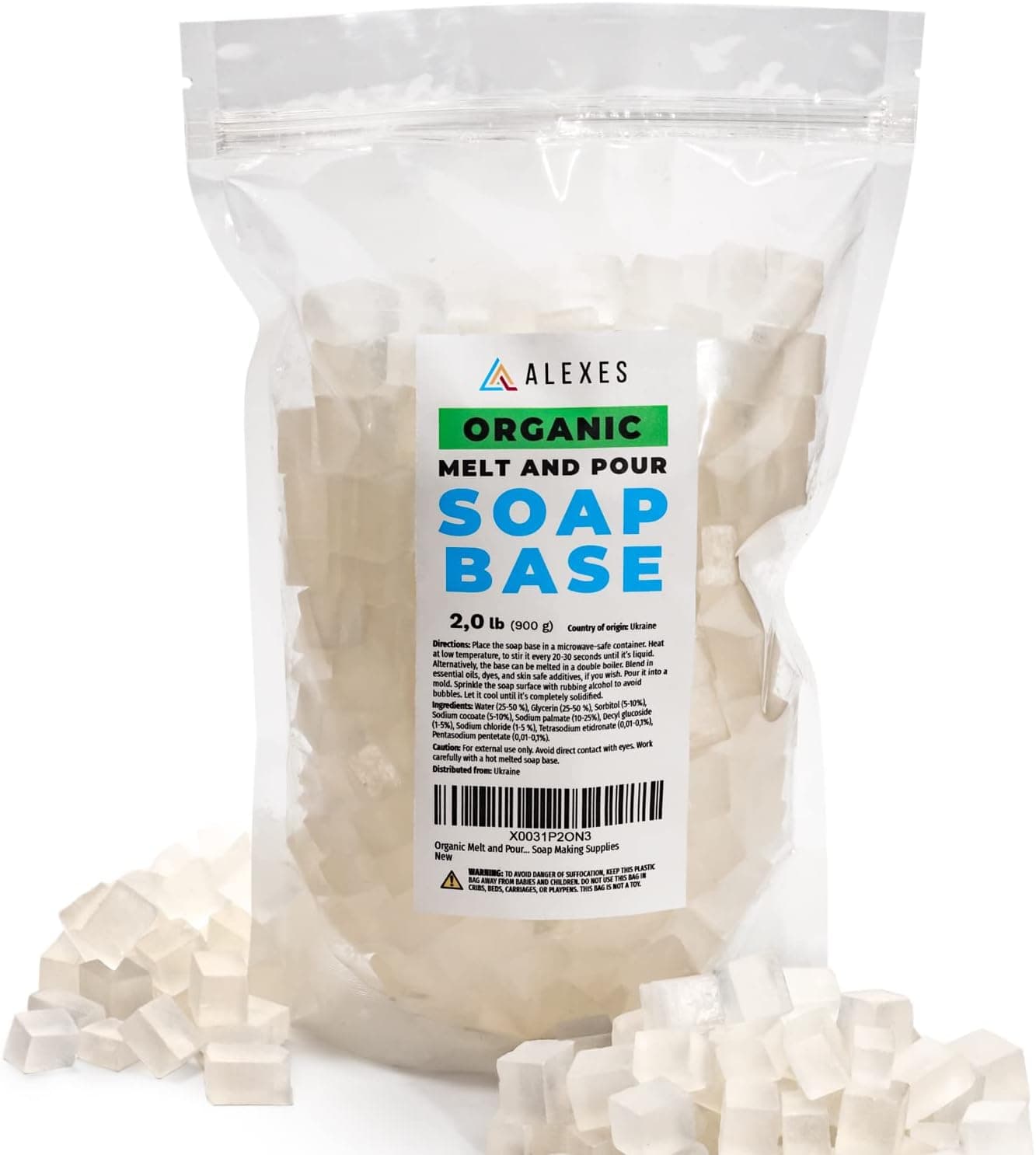
Melt and pour soap bars sometimes develop tiny beads of moisture on their surfaces, known as glycerin dew or sweating. Melt and pour bases contain extra glycerin, a humectant that draws moisture from the air. On humid days or when bars move from cold to warm areas, droplets form on the surface. The soap is still safe to use, but sweating ruins presentation and can make labels peel.
Why melt and pour soap sweats
Glycerin keeps skin moisturised, but it also attracts water vapour. Melt and pour bases often contain higher glycerin levels than cold process soap, which makes them prone to sweating when exposed to humid air.
Clear glycerin bases usually sweat more than opaque bases. Bathrooms, humid climates and summer weather make sweating much more noticeable.
Wrap bars as soon as they cool
The most effective way to prevent sweating is to wrap soap in plastic wrap or shrink wrap as soon as it hardens. Wrapping creates a barrier that stops moisture reaching the glycerin.
Wrap tightly without trapping air bubbles, and label the outer packaging rather than applying labels directly to soap.
Choose low sweat bases
Many suppliers offer low sweat or suspension melt and pour bases with lower glycerin content or special formulations. These resist moisture better in humid conditions.
Compare base ingredients and supplier descriptions if sweating is a regular problem, and test small batches before committing to a large order.
Control storage conditions
Store finished soaps in a cool, dry room away from bathrooms, kitchens and windows. A dehumidifier helps in humid climates.
Avoid moving soaps between cold and warm environments, such as from a cold car into a heated house, which causes condensation to form on the surface.
Fix bars that already sweat
Wipe away droplets with a soft paper towel and let bars dry in a cool, low humidity room or near a fan. Once dry, wrap them immediately.
Do not heat bars with a hair dryer for long periods, since heat can melt designs. If sweat has made labels or packaging damp, replace them after the soap is dry.
Watch additives and fragrance load
Adding extra glycerin, honey, aloe or liquid oils to melt and pour base increases its tendency to attract moisture. Keep additives within the supplier's recommended amounts, and add liquid ingredients sparingly, since too much also makes bars soft and slippery.
High fragrance oil loads can leave an oily film that looks similar to sweating. Use fragrance at the rate recommended for melt and pour soap, stir it in thoroughly at the right temperature and pour when the base is well mixed.
Tips for selling and gifting
If you sell or gift soap in a humid climate, wrap every bar before displaying it and add a small note suggesting customers keep bars in a dry place between uses. A draining soap dish helps bars last much longer in the shower.
Test one wrapped and one unwrapped bar from each new base or recipe for a week in your normal storage room. That quick comparison shows how prone the base is to sweating before you make a large batch for a market or the holidays.