Working Safely With Lye
Published How we research
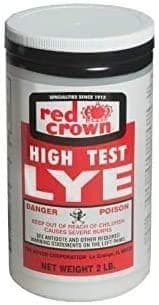
Lye, or sodium hydroxide, is the ingredient that turns oils into soap, and it is also the ingredient that makes new soap makers nervous. That caution is healthy. Lye is highly caustic and can cause serious burns, but it is handled safely every single day by hobbyists and professionals who follow a few consistent rules. Treating it with respect rather than fear is the key to a long, enjoyable soap making practice.
Products from this article
The highest-scoring picks from the buying guides this article links to. Scores are our editorial assessment, not customer ratings.
+ 2 Pack means a sealed spare stays dry until the first tub is used
From our guide: Best Lye for Soap Making
+ Rotating backlit display swivels about 90 degrees for easy reading from any angle
From our guide: Best Thermometers for Soap Making
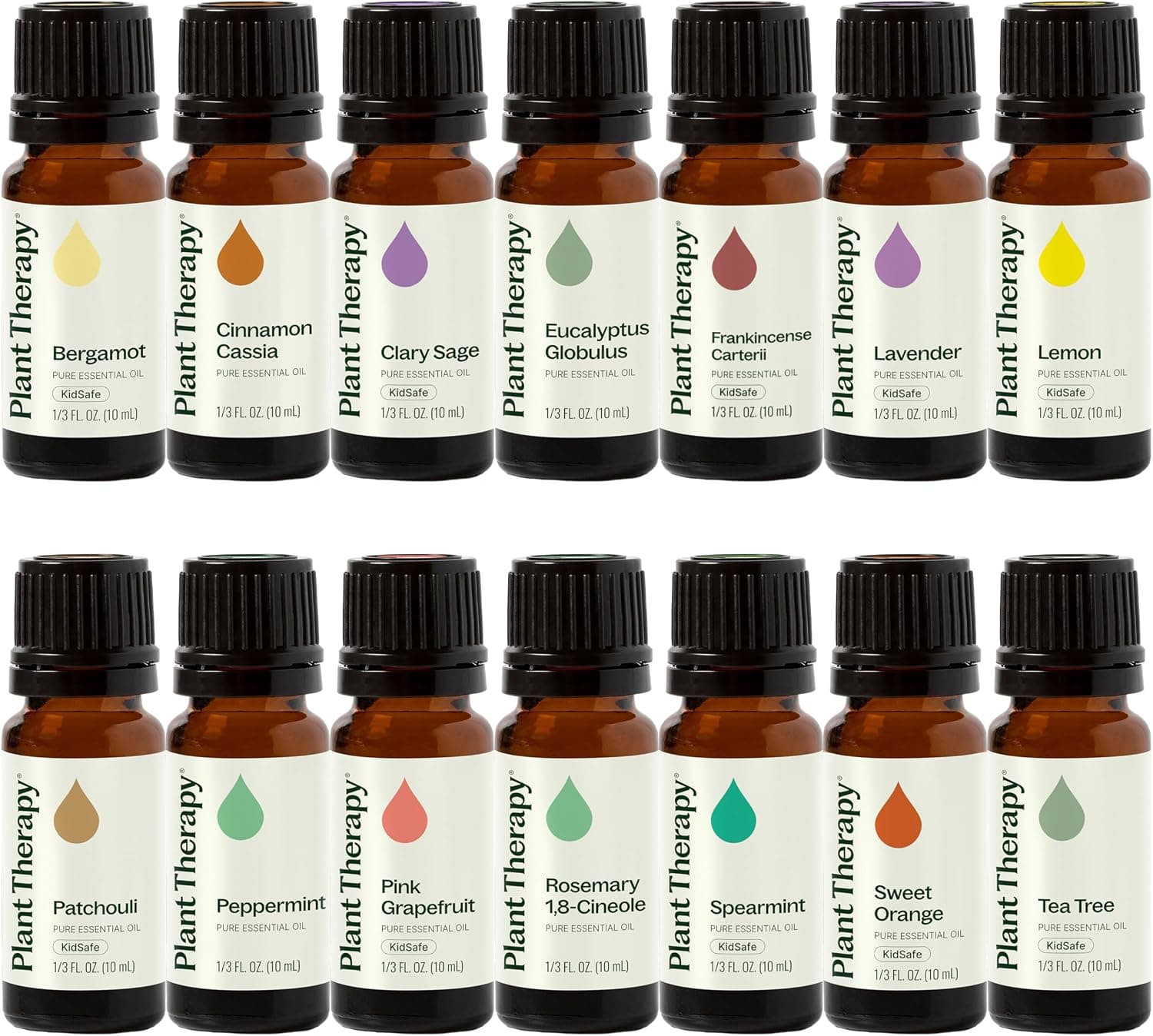
+ Top 14 set covers a wide range of classic essential oil scents
From our guide: Best Essential Oils for Natural Soap Making
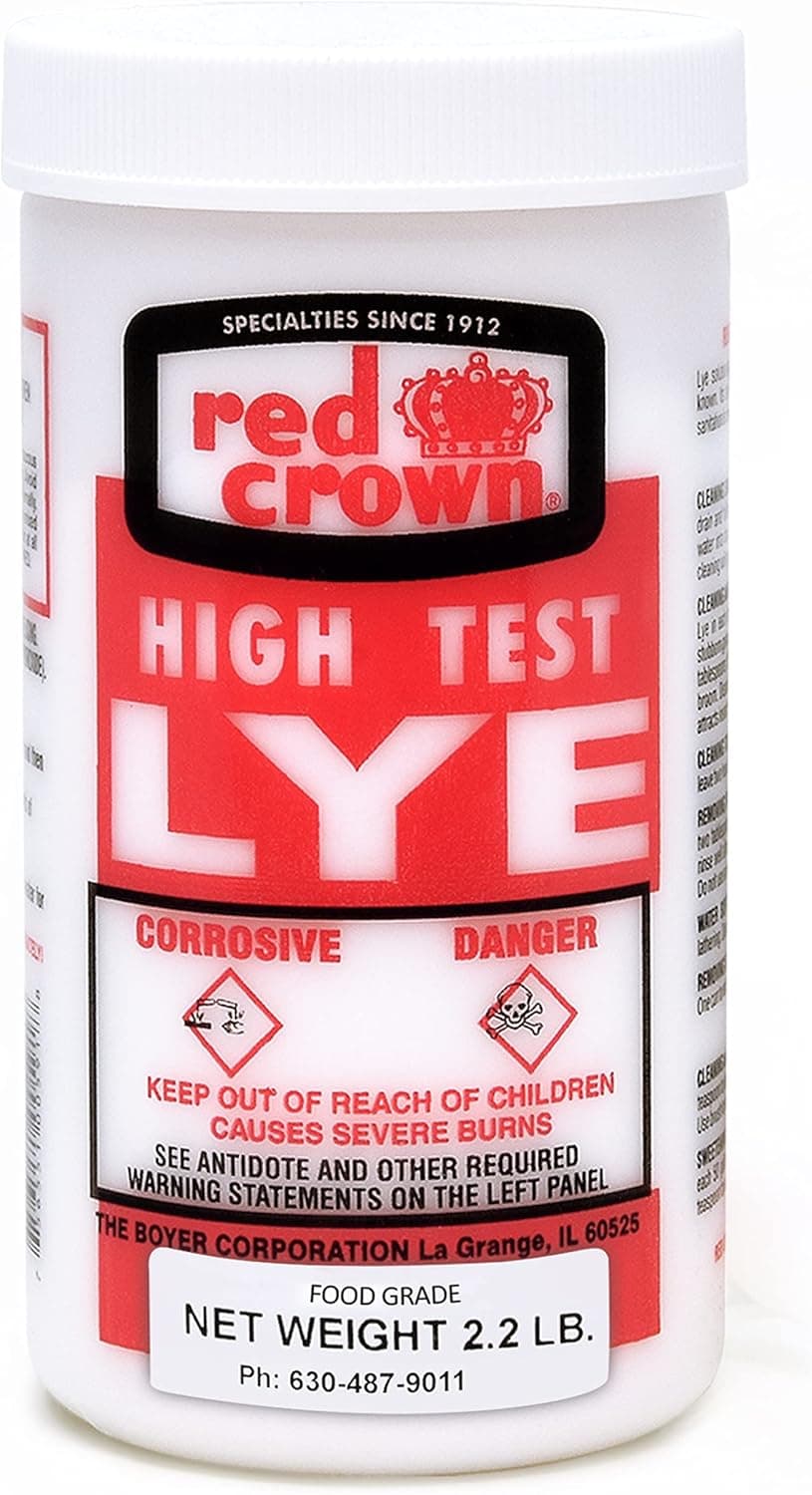
+ Boyer lye is a long-established name among cold process soap makers
From our guide: Best Lye for Soap Making
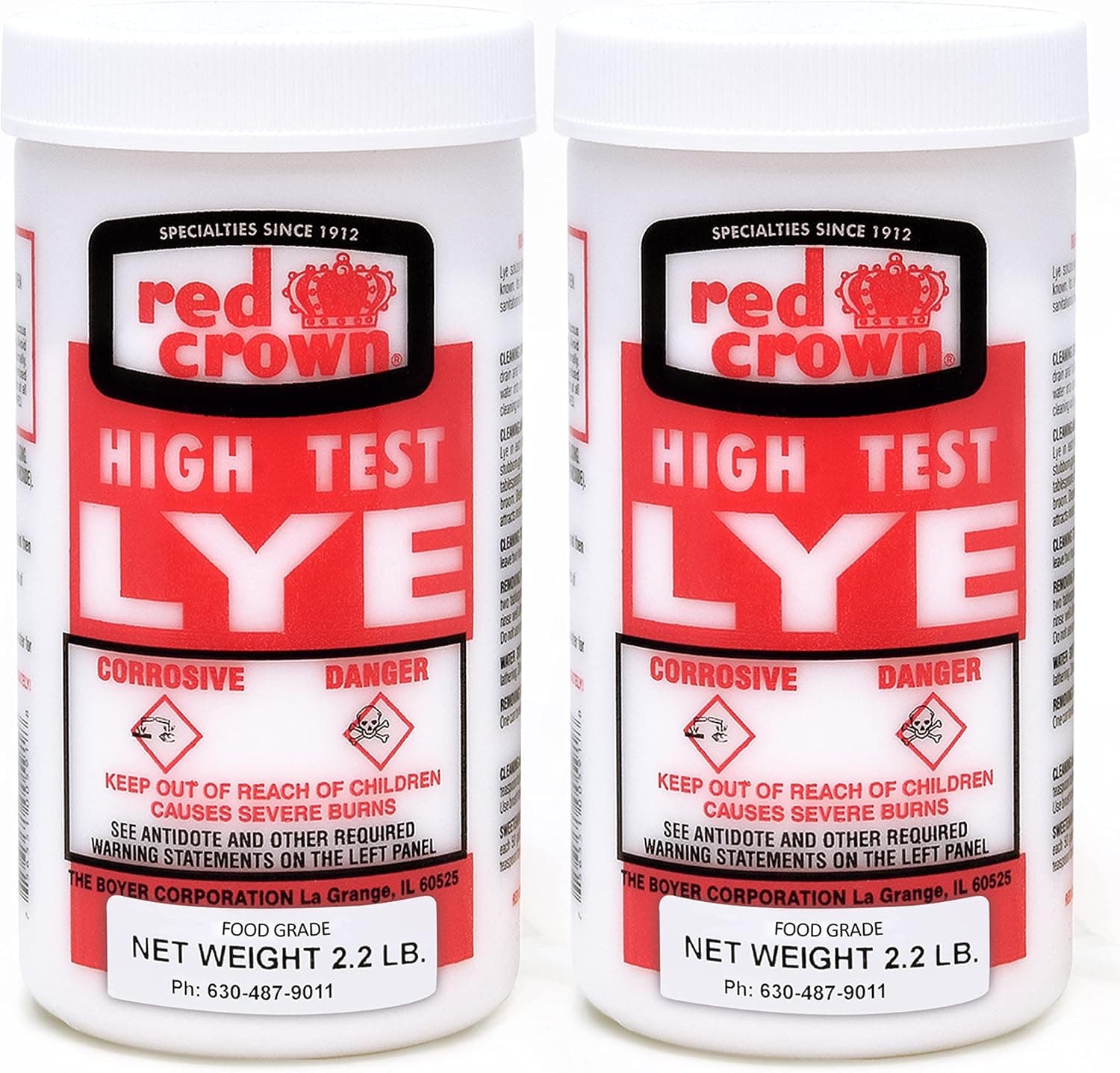

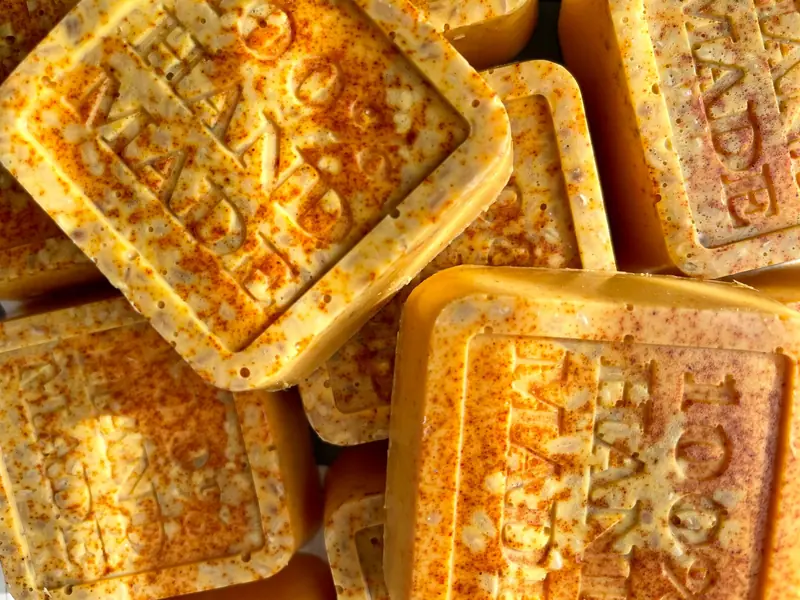
Before you open a container of lye, put on your protective gear. Chemical-splash goggles protect your eyes, which are the most vulnerable part of your body during mixing. Wear long sleeves, closed shoes, and nitrile or rubber gloves. An apron adds another layer of protection for your clothing and skin. This gear is inexpensive compared to the cost of an injury, and putting it on should become an automatic habit every time you make soap.
Ventilation matters more than many beginners realize. When you mix lye into water, the solution heats rapidly and releases fumes for the first minute or so. Work near an open window, under a range hood, or outdoors if possible, and avoid leaning directly over the container as you stir. Breathing the fumes briefly is unpleasant but manageable; the goal is simply to keep your face out of the rising vapor while the mixture off-gasses.
The single most important rule is the mixing order: always add lye to water, never water to lye. Pouring water onto a pile of lye can cause a violent, volcano-like eruption of caustic liquid. Sprinkling lye slowly into cool water, on the other hand, lets it dissolve safely. A helpful memory aid is that you should do as you oughta and add lye to watah. Stir gently until the crystals fully dissolve and the solution turns clear.
Keep your workspace clean, organized, and free of distractions. Clear children and pets from the room entirely, silence your phone, and never make soap when you are rushed or tired. Use dedicated equipment that never touches food, and label your lye and lye solution clearly so no one mistakes them for something harmless. A calm, focused environment prevents the small slips that lead to accidents.
Despite precautions, spills happen, so know your response in advance. If lye or raw soap batter touches your skin, rinse immediately with plenty of cool running water for several minutes. Keep vinegar nearby for cleaning up spills on surfaces, but rinse skin with water rather than vinegar, since water dilutes and removes the caustic material most effectively. If lye gets in your eyes, flush continuously and seek medical help right away.
Finally, store lye safely between projects. Keep it in a sealed, clearly labeled container in a cool, dry place well out of reach of children and pets. Sodium hydroxide readily absorbs moisture from the air, which ruins its potency and creates a hazardous slurry, so an airtight seal protects both your supply and your household. Handle lye with steady respect, and it will reward you with beautiful soap batch after batch.
Popular right now
- Best Melt and Pour Soap BaseBuying guide
- Best Shea Butter for Soap MakingBuying guide
- Choosing Fragrance Oils for SoapArticle
- Embedding Objects in SoapArticle
- Best Natural Soap Colorants From Clays and BotanicalsBuying guide
- How to Use a Soap MoldArticle
Based on the last 28 days of search and visitor data.