Soap Making for Beginners
Published How we research
Soap is simply oils and a lye solution reacting to form a cleansing bar. Melt and pour is the gentlest starting method since it skips lye handling, while cold process gives full control but requires working with sodium hydroxide safely. Gather supplies and measure by weight, not volume, always running any recipe through a lye calculator rather than guessing quantities. Keep a notebook of every batch's oils, weights, and outcomes. Work in a ventilated space with gloves and goggles, always adding lye to water. Be patient: cold process soap needs several weeks to cure before use. Making soap at home can feel intimidating from the outside, but the craft is far more approachable than most people expect. At its core, soap is just oils and a lye solution reacting together to form a cleansing bar. Once you understand that simple truth, the mystery falls away and you can focus on the fun parts: choosing scents, colors, and shapes. This guide will walk you through the mindset and first steps every beginner needs.
Products from this article
The highest-scoring picks from the buying guides this article links to. Scores are our editorial assessment, not customer ratings.
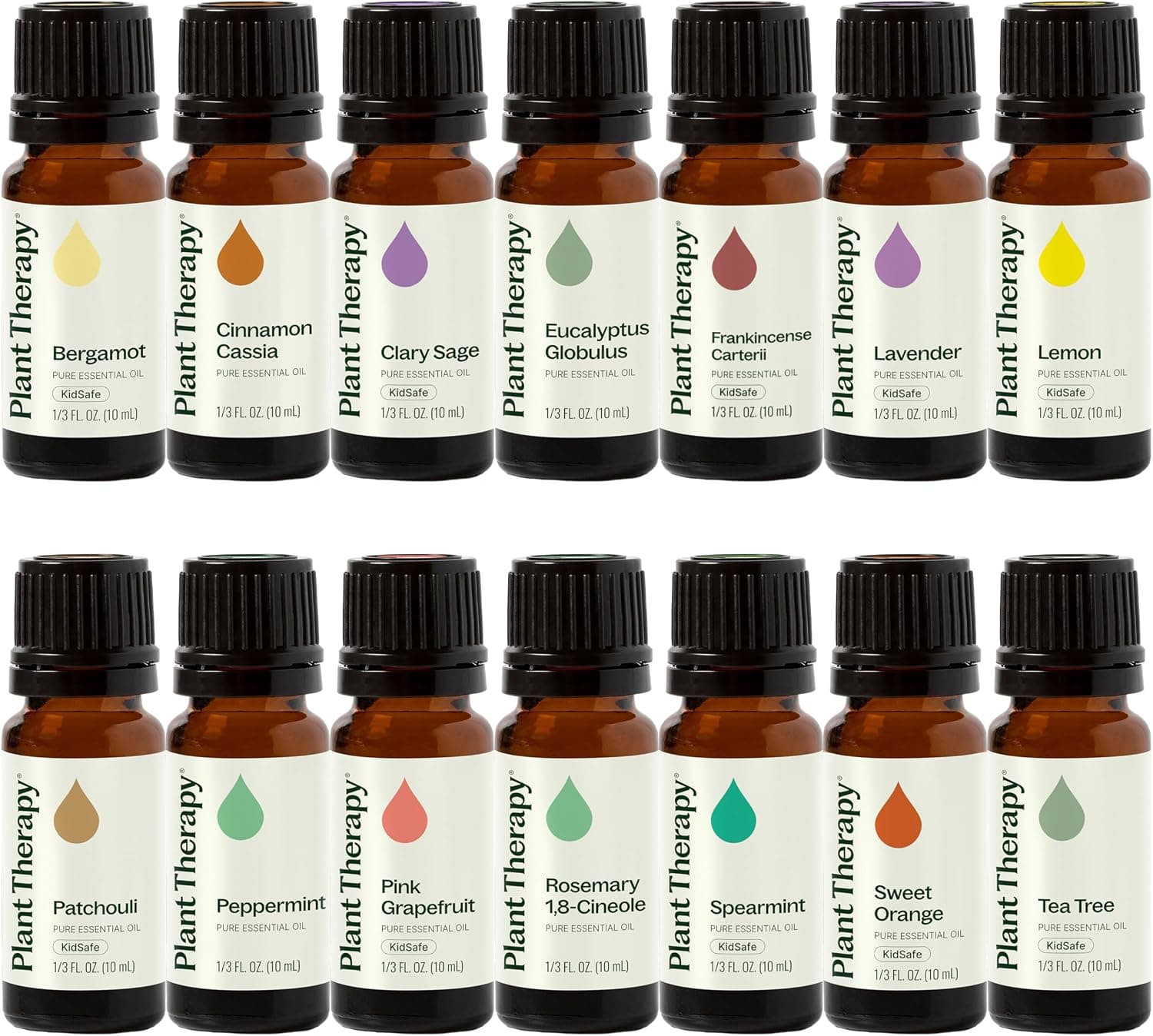
+ Top 14 set covers a wide range of classic essential oil scents
From our guide: Best Essential Oils for Natural Soap Making
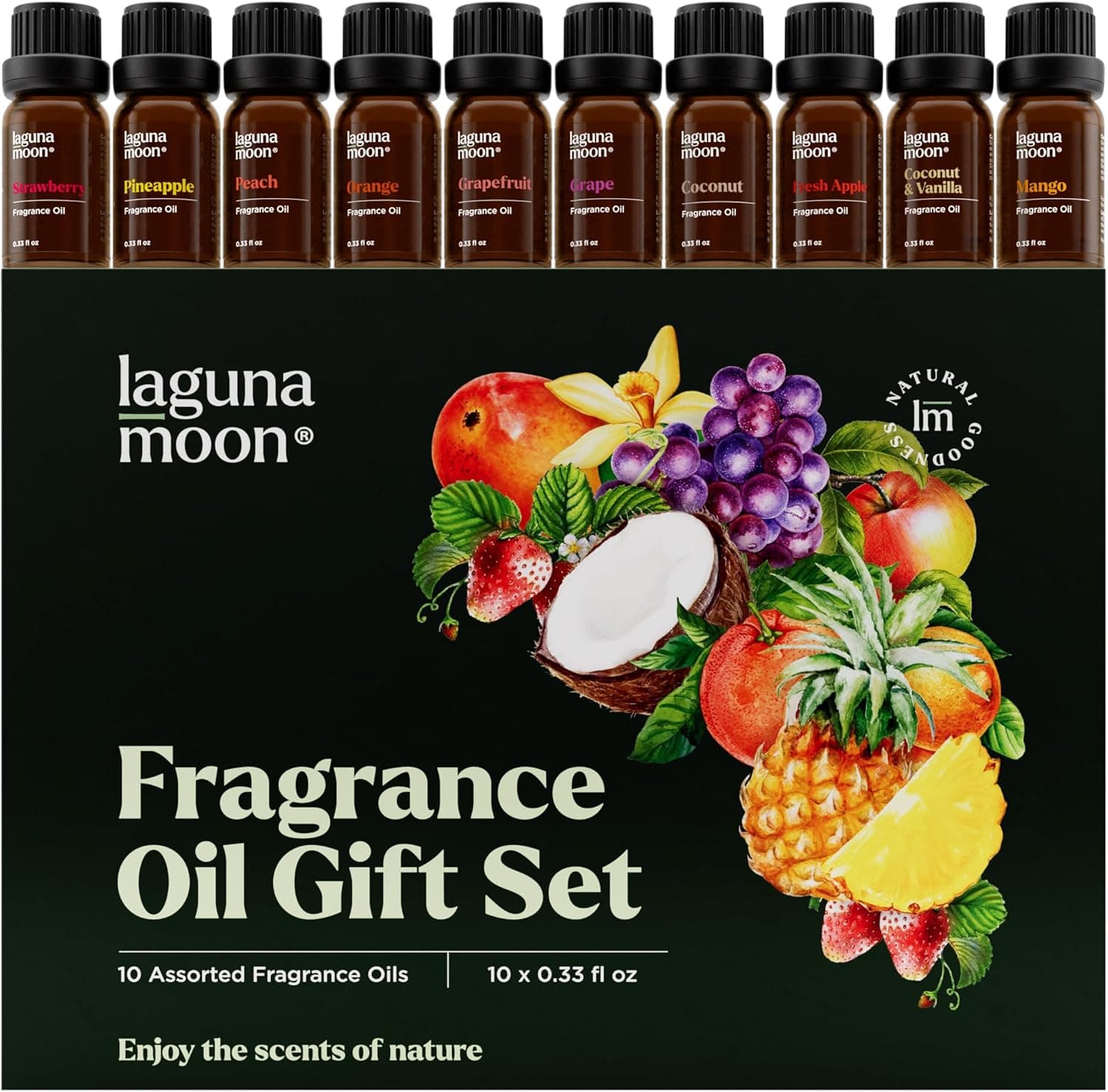
+ 10 Pcs set lets you sample several scents before buying large bottles
From our guide: Best Fragrance Oils for Handmade Soap
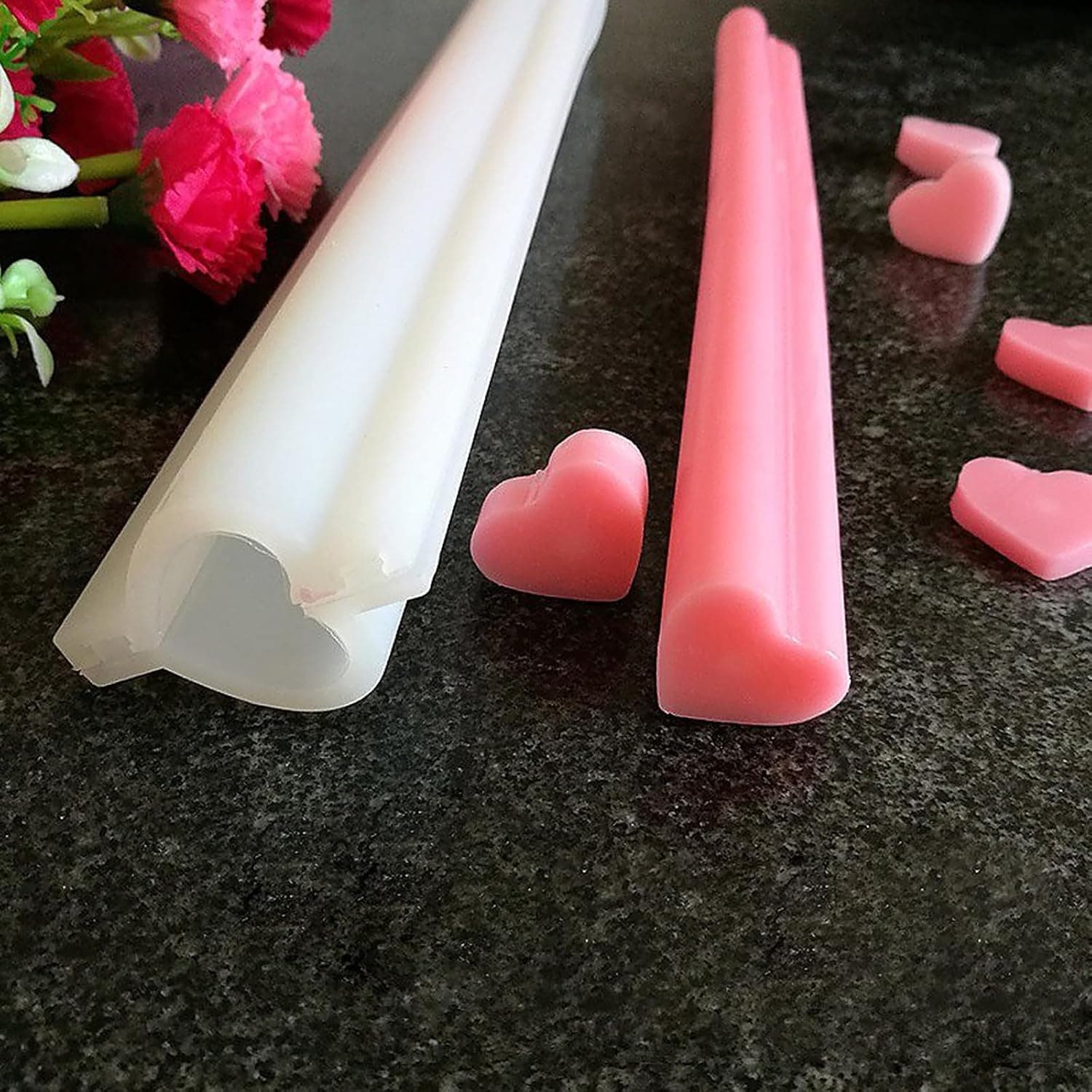
+ Heart embed shows a heart in every slice, ideal for Valentine bars
From our guide: Best Embed Soap Molds for Layered Soap Designs
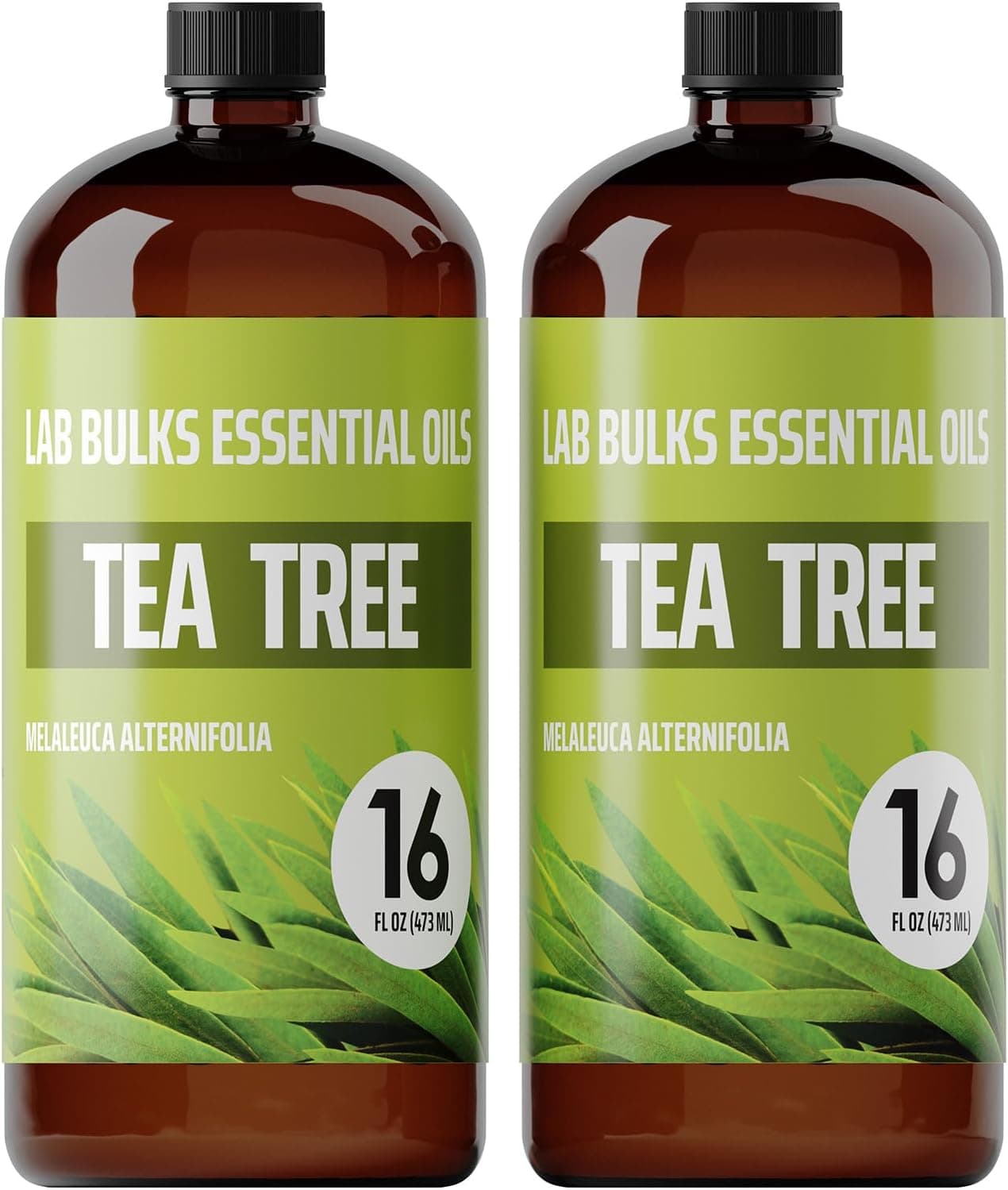
+ 16 Ounce (2 Pack) bulk size is ideal for frequent tea tree soap batches
From our guide: Best Essential Oils for Natural Soap Making
Start by choosing your method
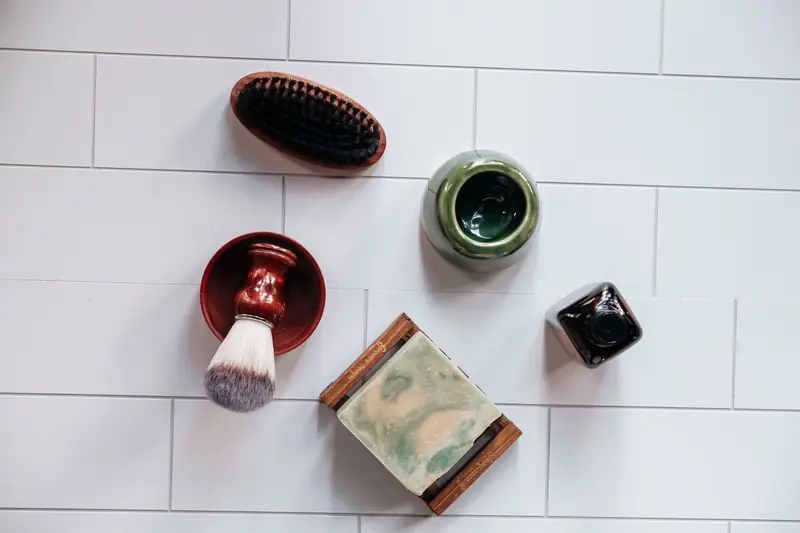
Start by choosing your method. Melt and pour is the gentlest introduction because it skips lye handling entirely; you melt a ready-made base and customize it. Cold process gives you total control but requires working with sodium hydroxide. If you are nervous, begin with melt and pour for a batch or two to learn how molds, fragrance, and color behave. You will build confidence quickly and still end up with soap you are proud of.
Gather your supplies before you begin
Gather your supplies before you begin, because soap making moves quickly once the reaction starts. For melt and pour you need a base, a mold, a fragrance, colorant, rubbing alcohol in a spray bottle, and a heat source. For cold process you also need a digital scale, a stick blender, heat-safe containers, gloves, and eye protection. Accurate measuring by weight, not volume, is the single most important habit to develop from day one.
Your first cold process recipe should be simple
Your first cold process recipe should be simple. A basic blend of olive oil, coconut oil, and a hard fat like palm-free tallow or shea butter creates a balanced, reliable bar. Always run any recipe through a lye calculator so the amount of sodium hydroxide matches your oils exactly. Never guess at lye quantities, and never borrow ratios from an untested source without checking them yourself. Precision here is what separates a good bar from a harsh one.
Expect the unexpected on early batches
Expect the unexpected on early batches, and treat every result as a lesson rather than a failure. Your soap might trace faster than you planned, your color might morph, or your fragrance might fade. Keep a notebook recording every oil, weight, temperature, and outcome. Over just a few batches this log becomes your most valuable tool, letting you repeat successes and avoid repeating mistakes.
Safety deserves real respect
Safety deserves real respect but should not scare you off. Work in a ventilated space, keep pets and children away, wear gloves and goggles, and always add lye to water rather than water to lye. Have a plan for spills and keep everything labeled. Thousands of hobbyists handle lye safely every day by following these basic rules consistently.
Be patient with the process and yourself
Most of all, be patient with the process and with yourself. Cold process soap needs several weeks to cure before it is ready to use, and skills like swirling or layering take practice. Start with one simple recipe, make it a few times until it feels natural, and only then add complexity. Soap making is a craft you grow into, and the satisfaction of using a bar you made yourself never really gets old.
Frequently asked questions
What is the easiest soap making method for beginners? Melt and pour, since it skips lye handling entirely; you melt a ready-made base and customize it with fragrance and color before moving on to cold process.
Do I need a lye calculator for soap making? Yes, always. Run any recipe through a lye calculator so the sodium hydroxide amount matches your oils exactly, since guessing or borrowing untested ratios risks a harsh or unsafe bar.
How long does cold process soap need to cure? Several weeks before it is ready to use, which allows the bar to harden, mellow, and lose excess moisture for a longer-lasting, milder result.
What safety precautions are needed for soap making with lye? Work in a ventilated space, wear gloves and goggles, keep pets and children away, and always add lye to water rather than water to lye.
Quick answers
What is the easiest way to start making soap?
Melt and pour soap is easiest because it needs no lye. When you move to cold process, use a lye calculator, full safety gear and a simple tested recipe.
Popular right now
- Best Melt and Pour Soap BaseBuying guide
- Best Shea Butter for Soap MakingBuying guide
- Choosing Fragrance Oils for SoapArticle
- Embedding Objects in SoapArticle
- Best Natural Soap Colorants From Clays and BotanicalsBuying guide
- How to Use a Soap MoldArticle
Based on the last 28 days of search and visitor data.