Soap Base & Lye
Every soap starts with either a melt and pour base or lye and oils. Melt and pour lets you skip lye entirely, while cold and hot process soap need sodium hydroxide handled with care.
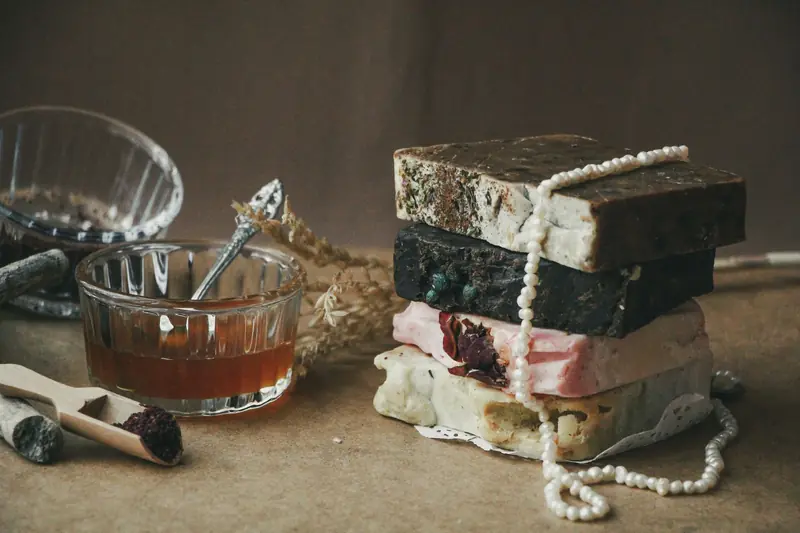
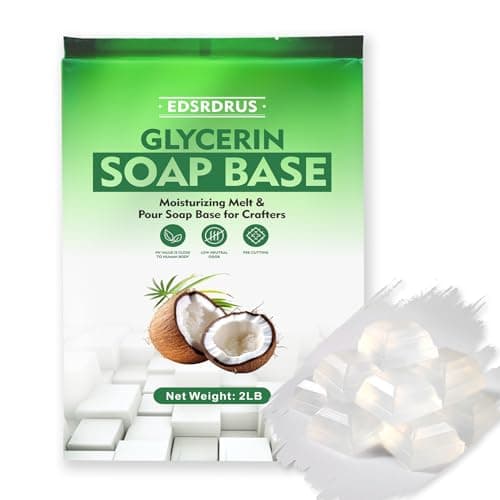
Best Glycerin Soap Base
Find the best glycerin soap base for clear, moisturizing bars. Learn what to check for transparency, lather, and sweating resistance before buying.
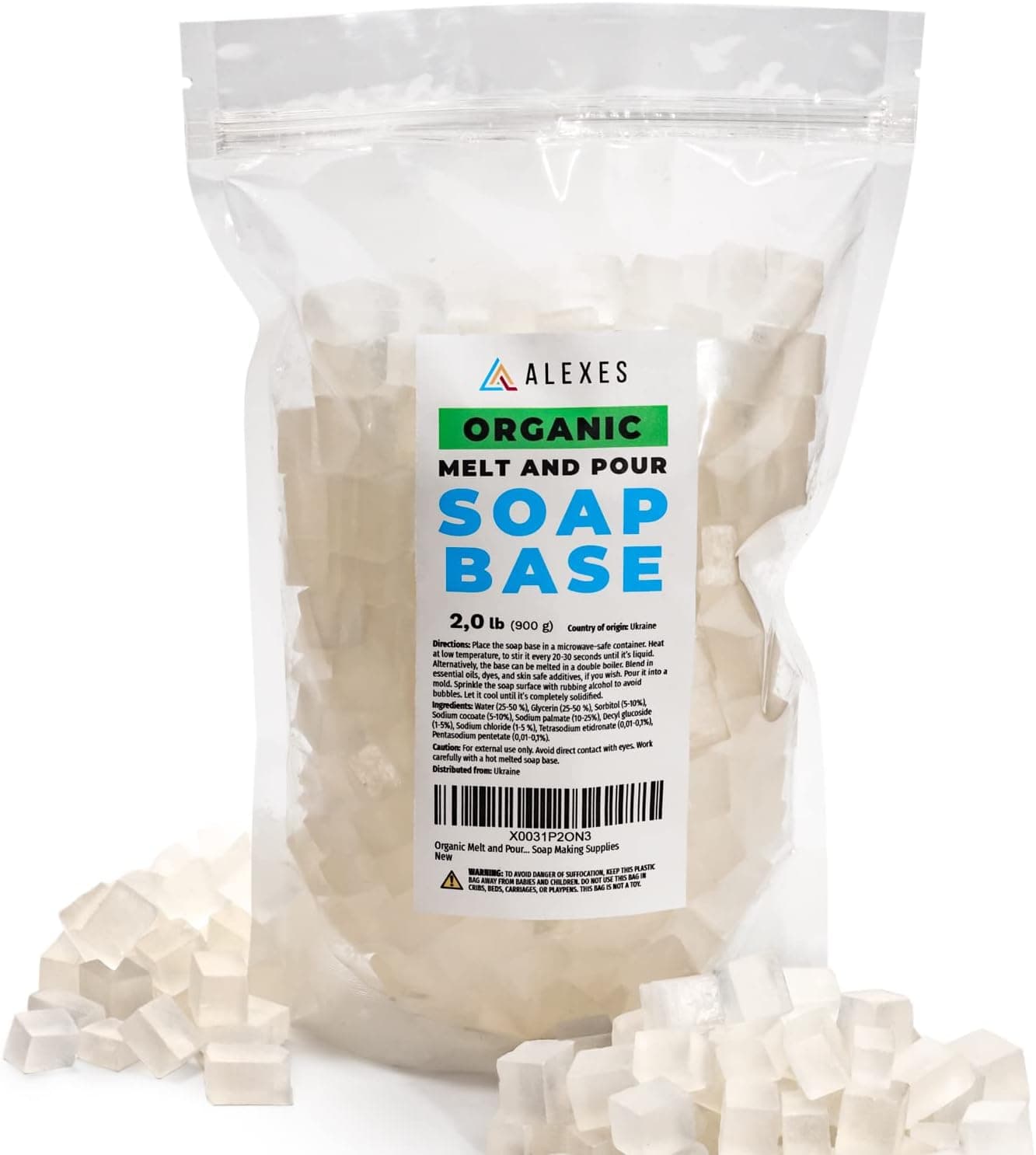
Best Melt and Pour Soap Base
Compare the best melt and pour soap bases for home soap makers. See how to pick clarity, lather, and additive-friendly bases for easy custom bars.
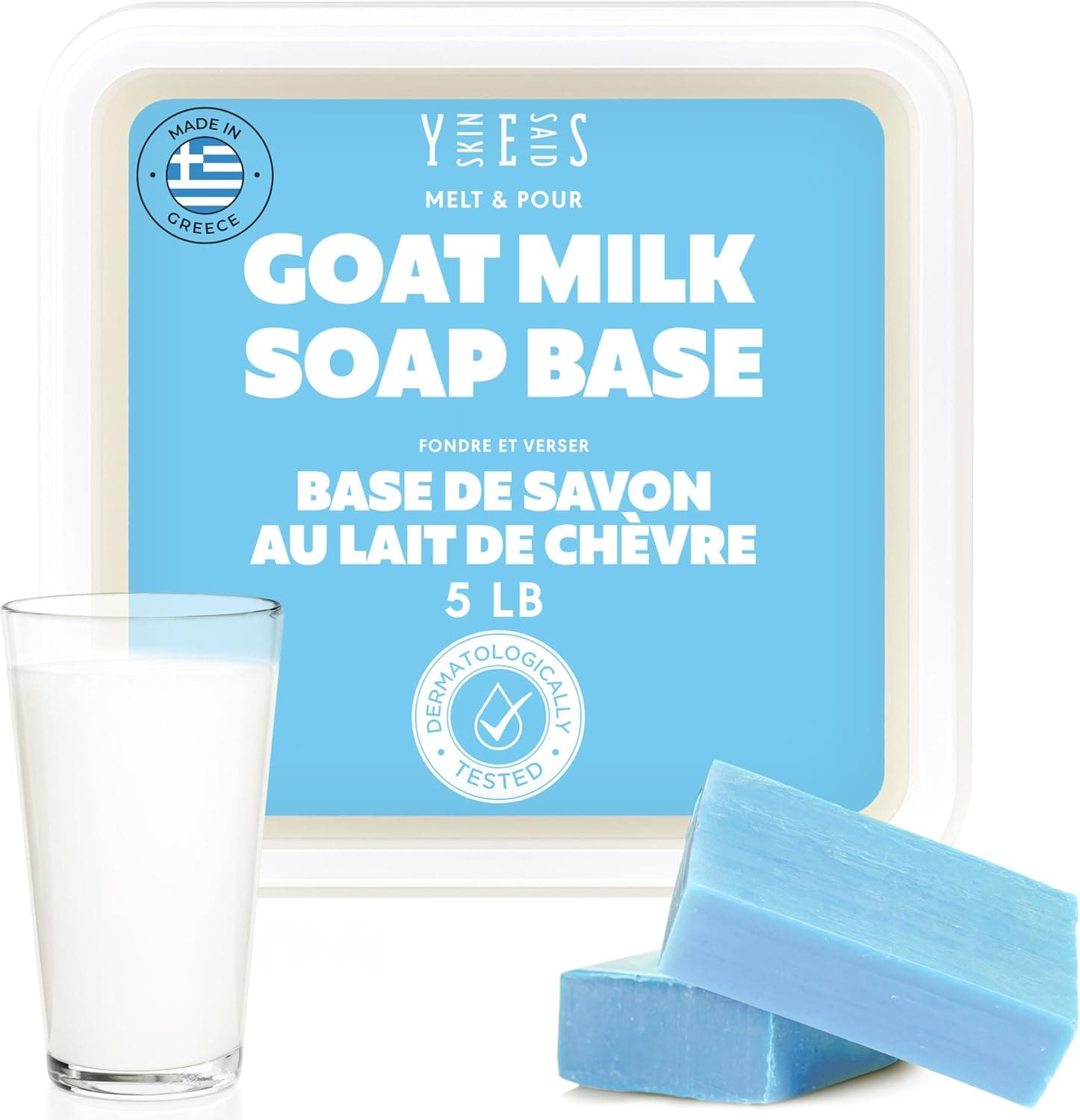
Best Goats Milk Soap Base
Find the best goats milk soap base for creamy, gentle bars. Learn what to check for lather, milk content, and skin-friendly ingredients before you buy.

Best Shea Butter Soap Base
Compare the best shea butter soap bases for rich, moisturizing bars. See what to check for shea content, lather, and skin-friendly ingredients.

Best Clear Soap Base
Compare the best clear soap bases for transparent, colorful bars. See what to check for clarity, lather, and additive compatibility before you buy.
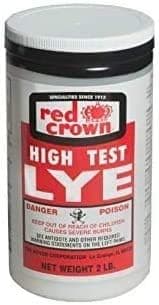
Best Lye for Soap Making
Find the best lye for soap making, from sodium to potassium hydroxide. Learn what to check for purity, packaging, and safety before you buy.

Best Olive Oil Soap Base
Compare the best olive oil soap bases for mild, gentle bars. See what to check for olive oil content, lather, and skin-friendly ingredients.

Best Honey Soap Base
Find the best honey soap base for warm, moisturizing bars. Learn what to check for honey content, lather, and skin-friendly ingredients before buying.

Best Aloe Soap Base
Compare the best aloe soap bases for soothing, gentle bars. See what to check for aloe content, lather, and skin-friendly ingredients before you buy.
How to choose
- Start with melt and pour if you want to avoid lye.
- Use pure sodium hydroxide labelled for soap making.
- Store lye sealed, labelled and out of reach.
- Always wear gloves and goggles when handling lye.
Common questions
Is lye safe to use for soap making?
Yes when handled carefully with gloves, goggles and ventilation. Properly made and cured soap contains no active lye.
What is melt and pour soap base?
Premade soap you melt, colour, scent and pour into molds. It is ready to use once it hardens, with no lye handling.