Choosing Fragrance Oils for Soap
Published How we research
Scent is often what makes a handmade bar irresistible, and fragrance oils are the most versatile way to add it. Unlike essential oils, fragrance oils are formulated blends that can capture scents impossible to source naturally, from fresh linen to ripe watermelon. But not every fragrance oil behaves the same way in soap, and choosing wisely prevents disappointment after you have already committed your oils and lye.
Products from this article
The highest-scoring picks from the buying guides this article links to. Scores are our editorial assessment, not customer ratings.
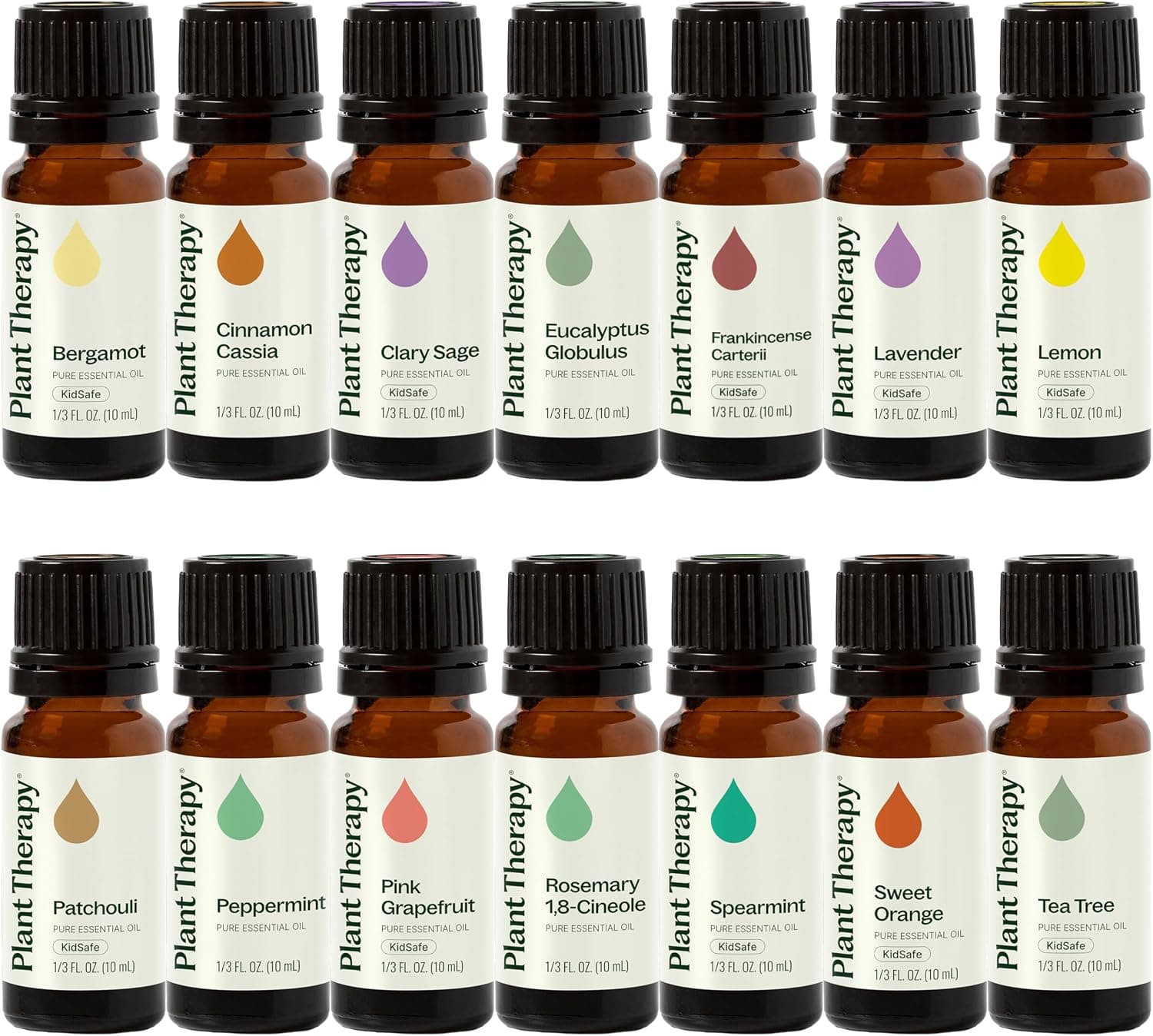
+ Top 14 set covers a wide range of classic essential oil scents
From our guide: Best Essential Oils for Natural Soap Making
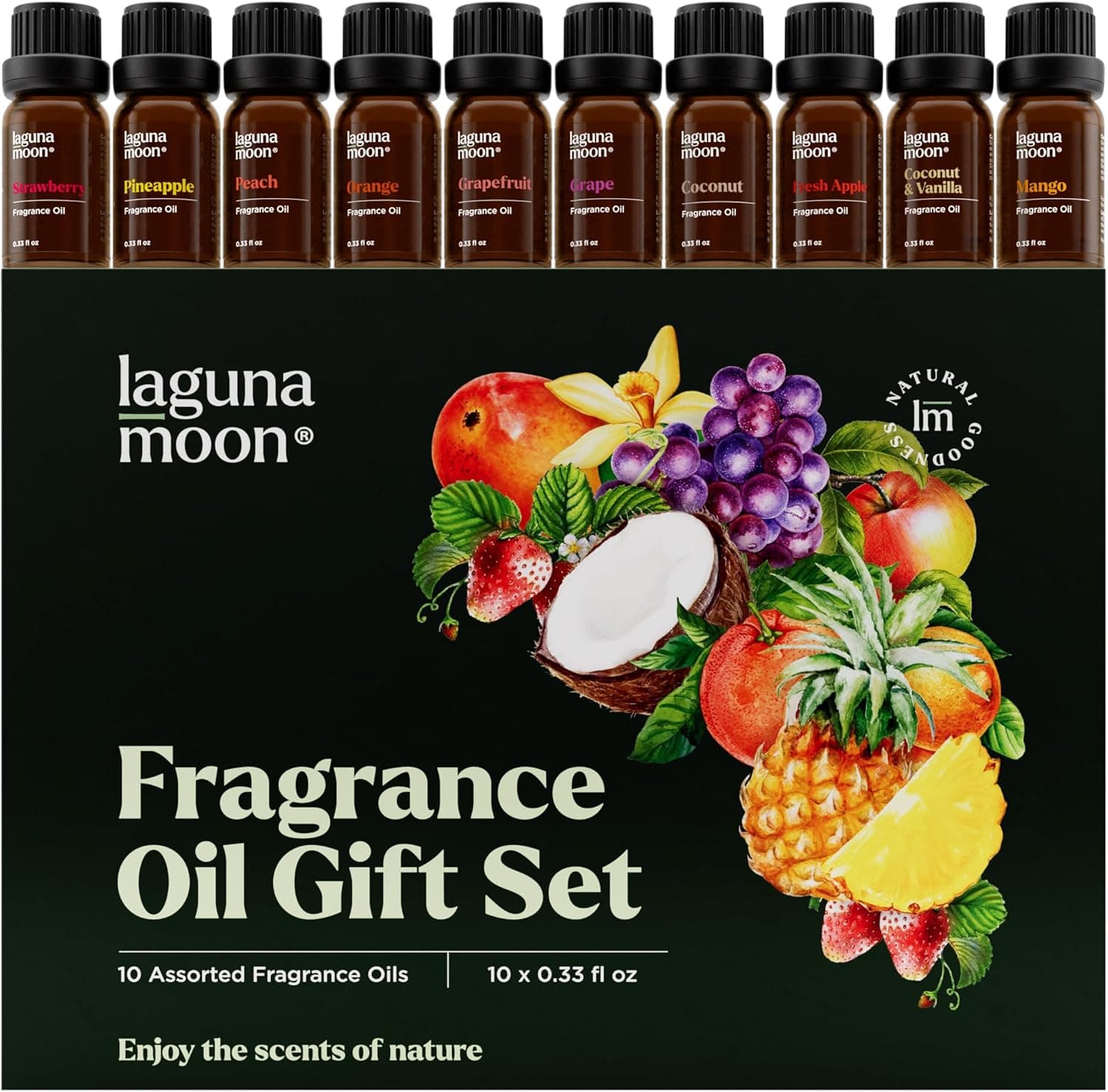
+ 10 Pcs set lets you sample several scents before buying large bottles
From our guide: Best Fragrance Oils for Handmade Soap
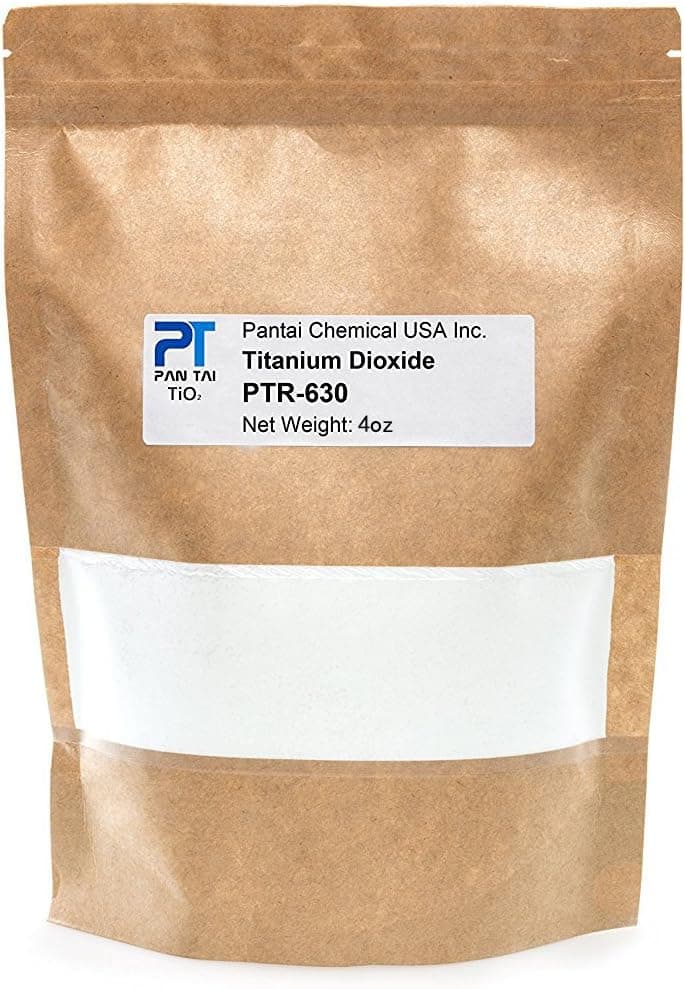
+ 16 oz supply lasts through many white or pastel soap batches
From our guide: Best Titanium Dioxide for Whitening Soap
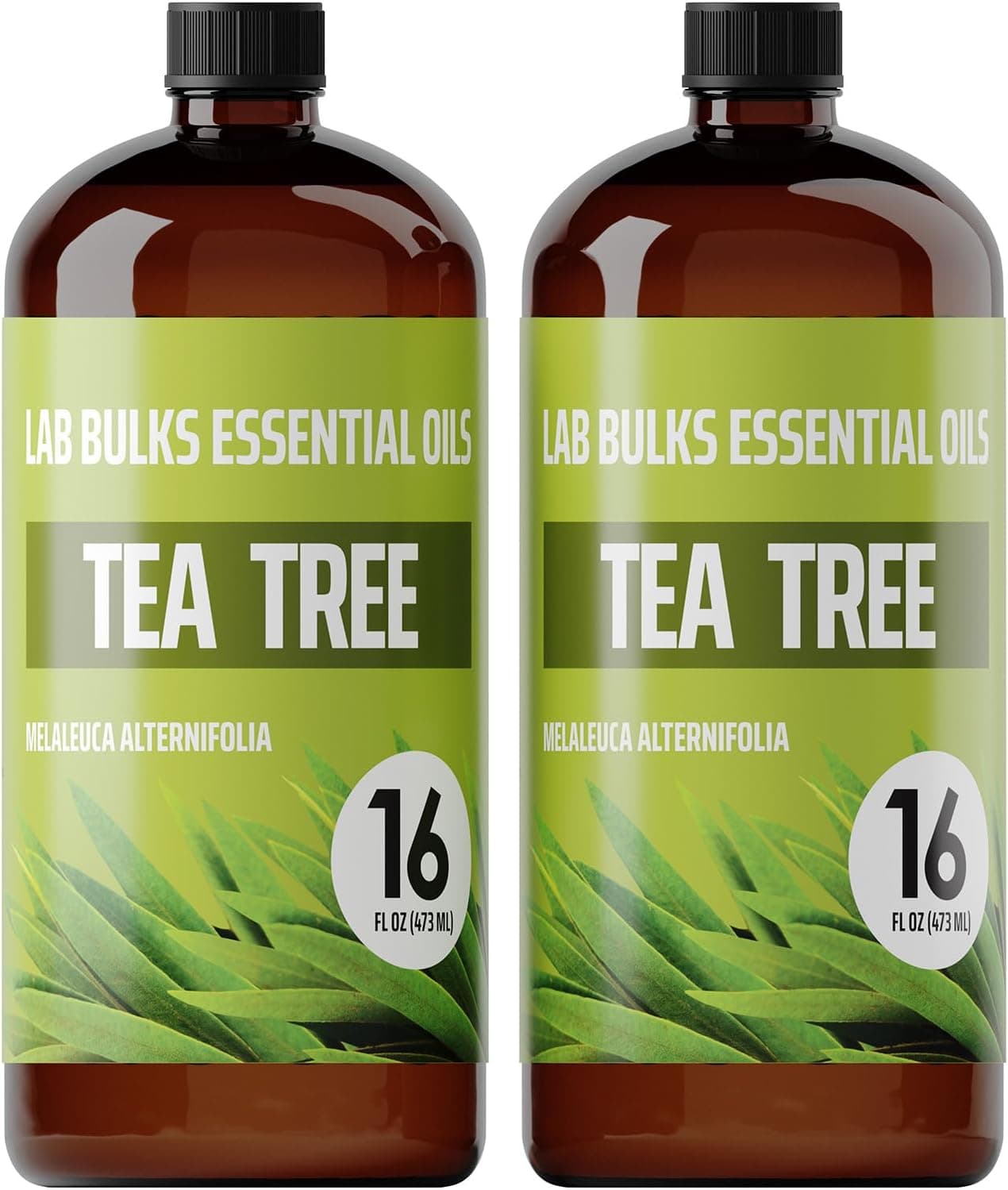
+ 16 Ounce (2 Pack) bulk size is ideal for frequent tea tree soap batches
From our guide: Best Essential Oils for Natural Soap Making
The first thing to check is whether a fragrance oil is skin-safe and specifically approved for use in soap. Reputable suppliers list this clearly along with a recommended usage rate, usually expressed as a percentage of your total batch weight. Candle-only fragrances are not automatically safe for skin, so never assume interchangeability. Buying from vendors who provide documentation protects both you and anyone who uses your soap.
Pay attention to how a fragrance is described in relation to cold process soap, because the high-pH environment can change how a scent performs. Some fragrance oils accelerate trace, thickening your batter so fast that you have no time to swirl. Others cause ricing, seizing, or heat spikes. Supplier notes and customer reviews often flag these behaviors, so read them before buying and plan simpler designs for tricky fragrances.
Discoloration is another common surprise. Many fragrance oils contain vanillin, a component that turns soap tan or brown over time regardless of the color you added. A fragrance with a high vanillin content can transform a pristine white bar into a coffee-colored one within weeks. If you want to keep pale colors, choose vanillin-free fragrances or embrace the browning as part of the design.
Flashpoint is a technical detail that matters mostly for storage and shipping rather than soap performance, but it is worth understanding. It indicates the temperature at which the oil's vapors can ignite. For cold process soap making the flashpoint has little effect on the finished bar, since saponification does not reach those temperatures, but it is good practice to keep fragrance oils away from open flames and excessive heat.
Usage rate deserves careful respect. More fragrance is not always better; overloading a batch can cause the oil to seep out, irritate skin, or accelerate trace uncontrollably. Follow the supplier's recommended percentage and weigh your fragrance on a scale rather than measuring by drops or splashes. A reliable fragrance calculator helps you convert percentages into exact grams for your specific batch size.
Finally, test before you commit to a large batch. Order small sample sizes, make a modest test loaf, and record how the fragrance behaves through trace, curing, and several weeks of aging. Note the strength, any color change, and how it wears on skin. Building a personal library of tested, trusted fragrances is one of the most satisfying parts of the craft and the surest way to produce soap that smells as good in month three as it did on day one.
Popular right now
- Best Melt and Pour Soap BaseBuying guide
- Best Shea Butter for Soap MakingBuying guide
- Embedding Objects in SoapArticle
- Best Natural Soap Colorants From Clays and BotanicalsBuying guide
- How to Use a Soap MoldArticle
- Shelf Life of SoapArticle
Based on the last 28 days of search and visitor data.