Layering and Swirls in Soap
Published How we research
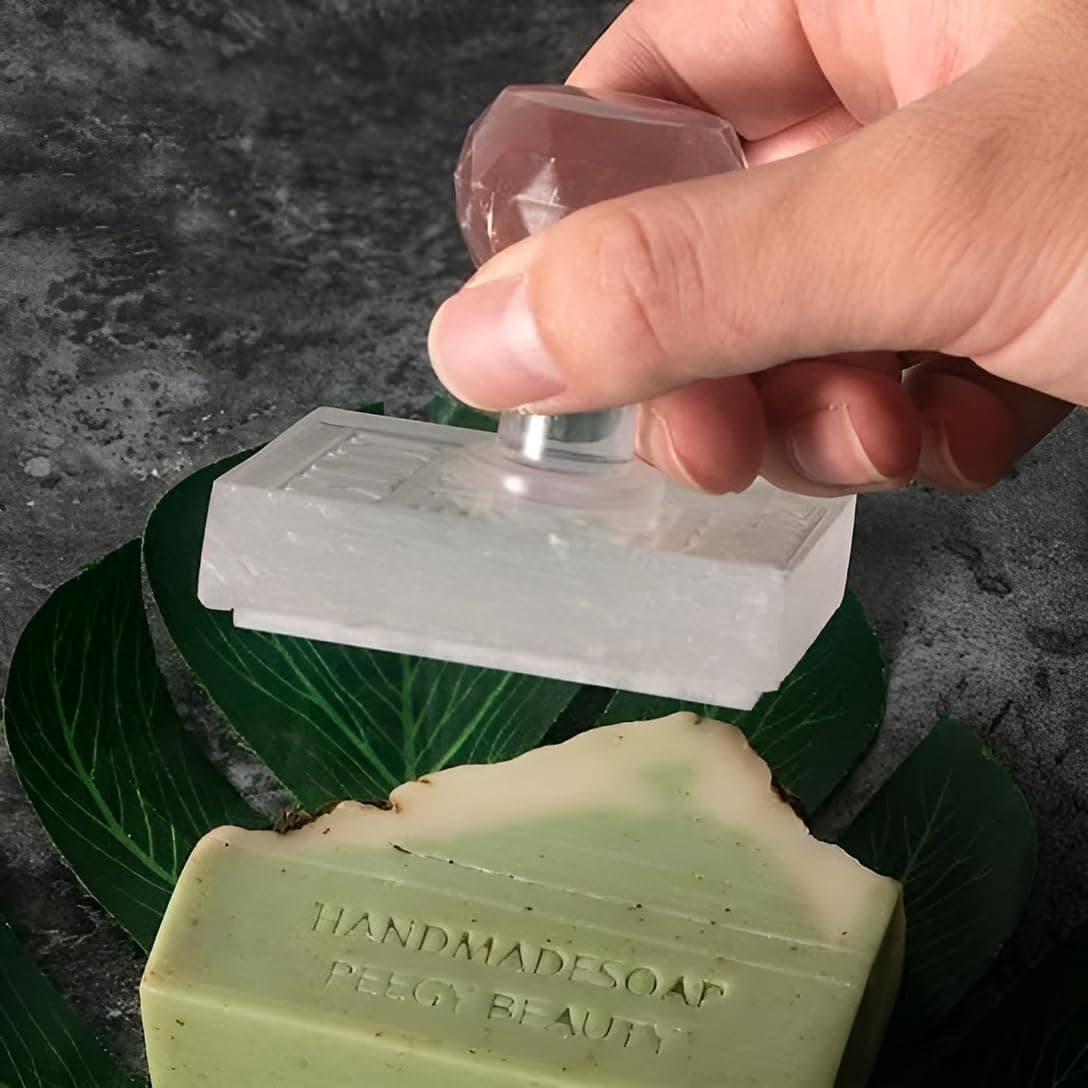
The visual artistry of handmade soap is a big part of its appeal, and layering and swirling are the techniques that turn a plain bar into a small work of art. These methods let you combine colors in endless patterns, from clean geometric layers to wild organic swirls. While the results can look intimidatingly professional, the underlying techniques are learnable, and the most important skill is simply controlling your trace.
Products from this article
The highest-scoring picks from the buying guides this article links to. Scores are our editorial assessment, not customer ratings.
+ Custom rectangular design fits a logo or shop name neatly
From our guide: Best Soap Stamps for Branding Handmade Bars
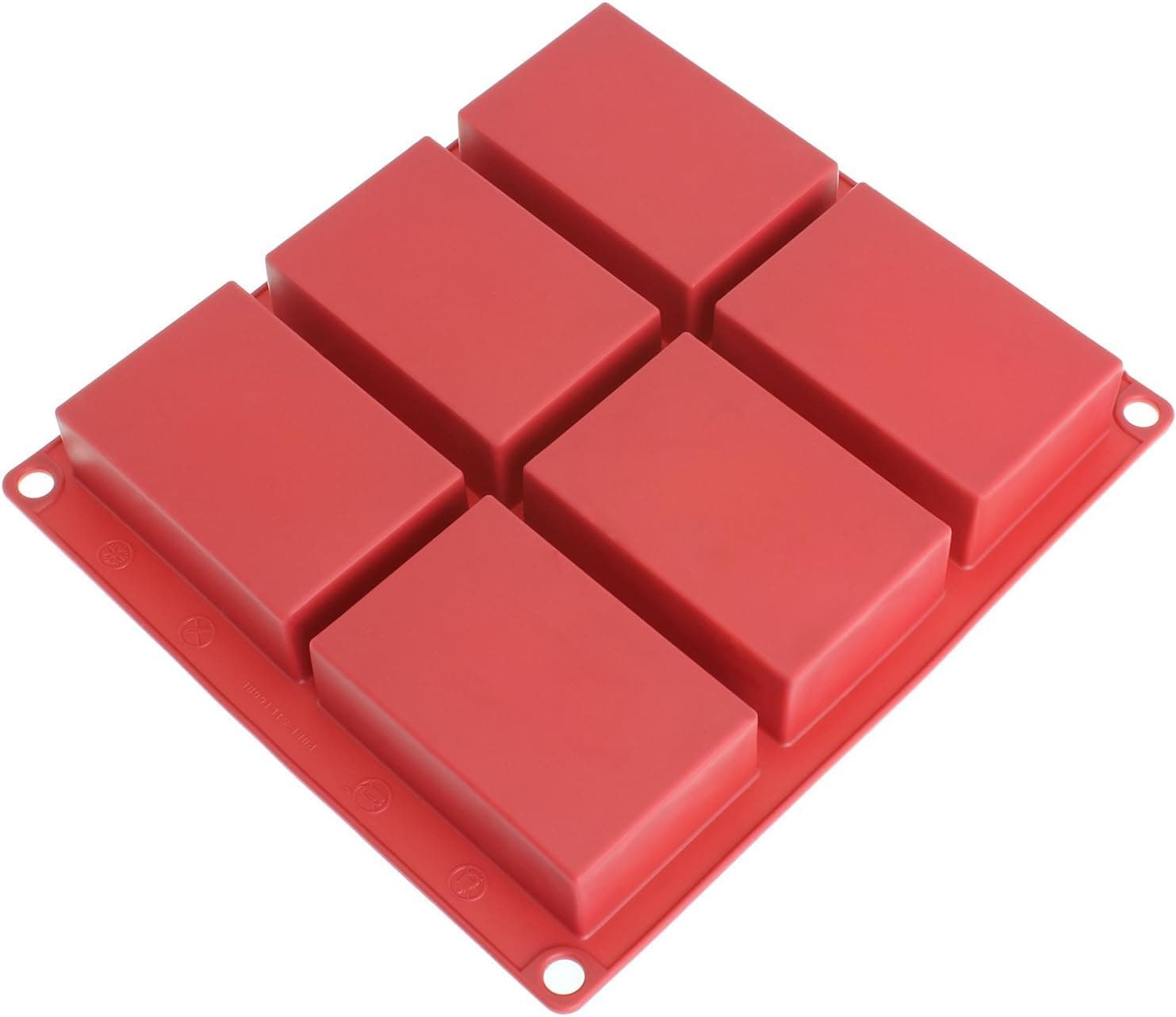
+ Premium silicone from a known bakeware brand holds shape well
From our guide: Best Bar Soap Molds for Handmade Soap
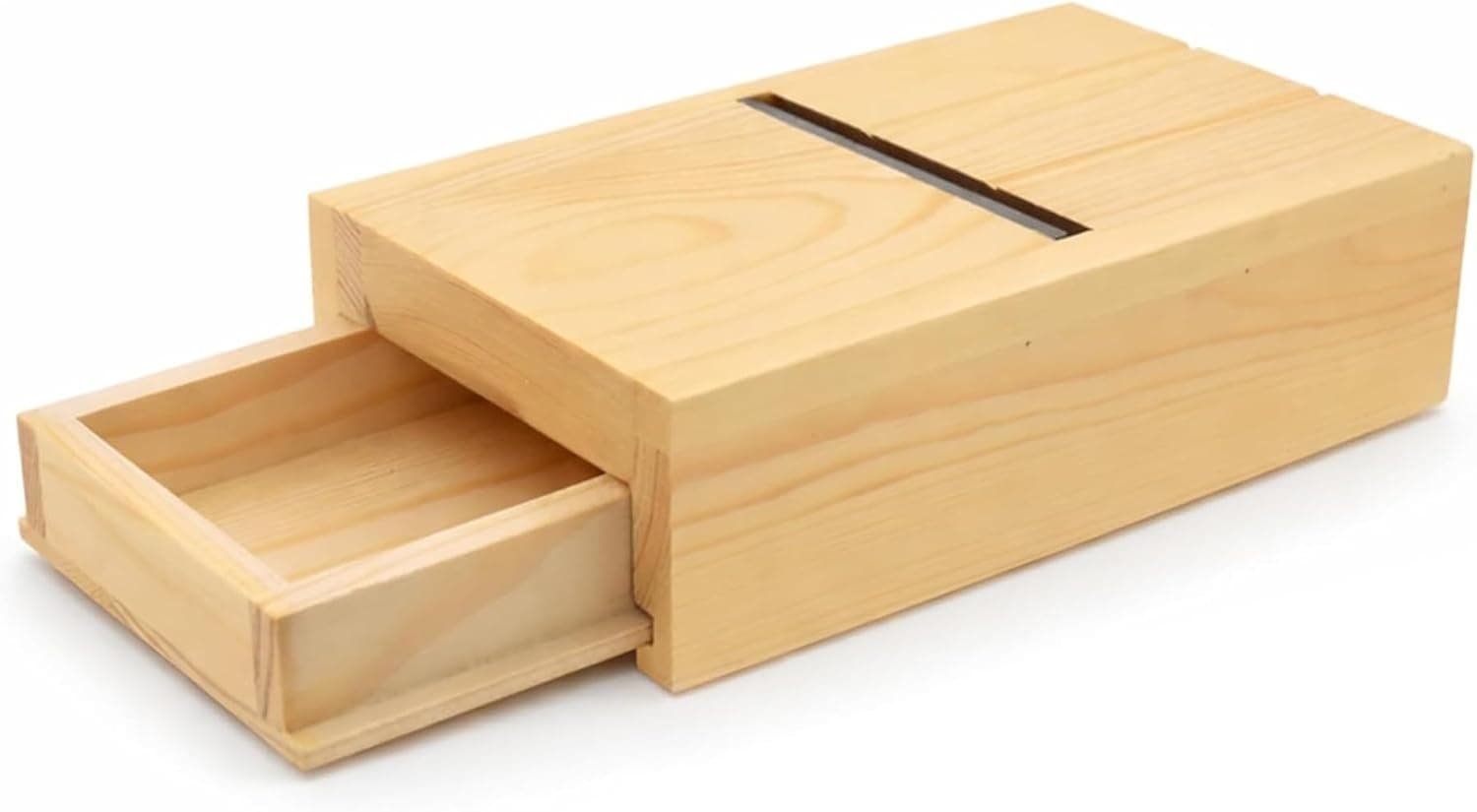
+ Drawer catches soap shavings for easy cleanup or rebatching
From our guide: Best Soap Planers for Clean, Even Bars
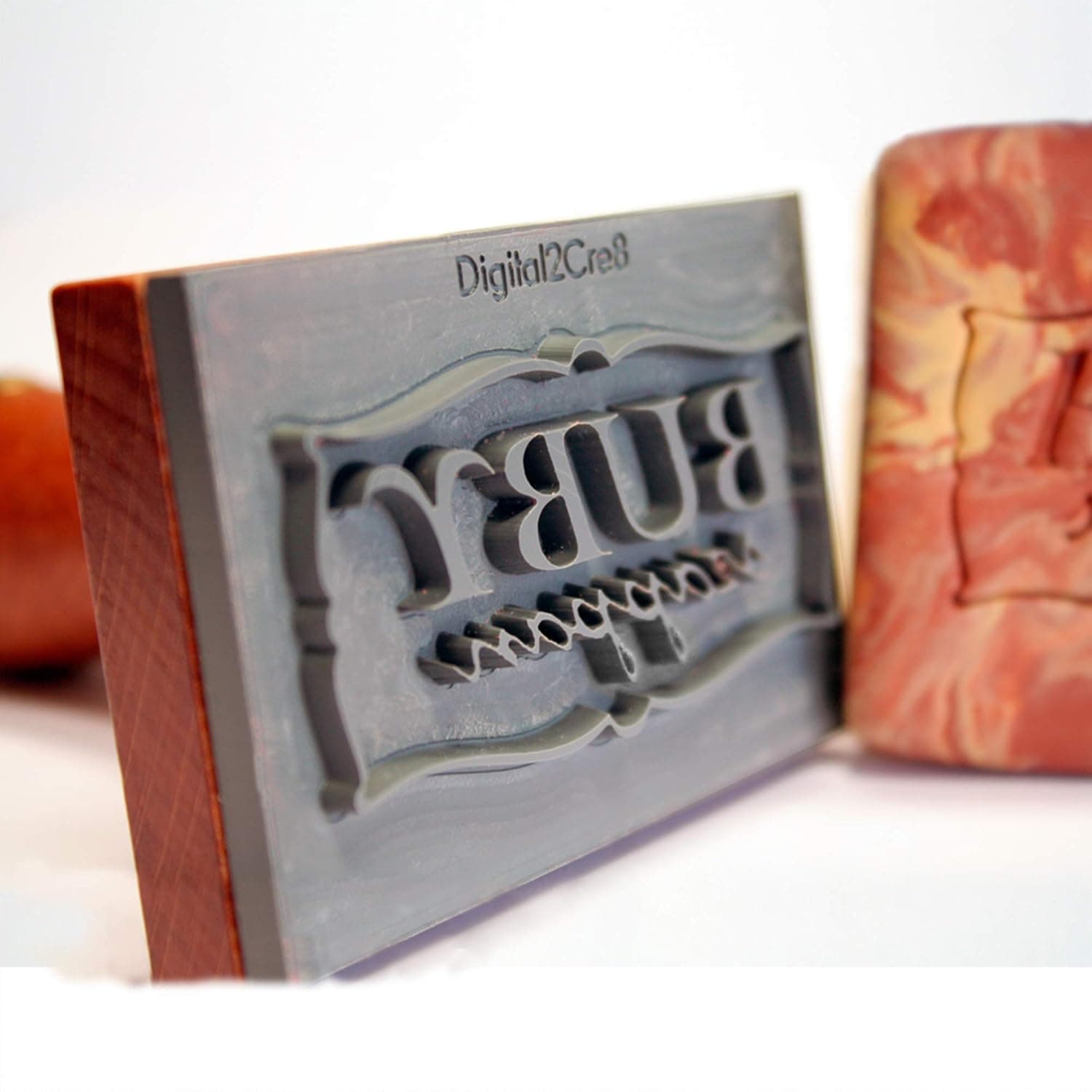
+ Custom design lets you brand every bar with your name or logo
From our guide: Best Soap Stamps for Branding Handmade Bars
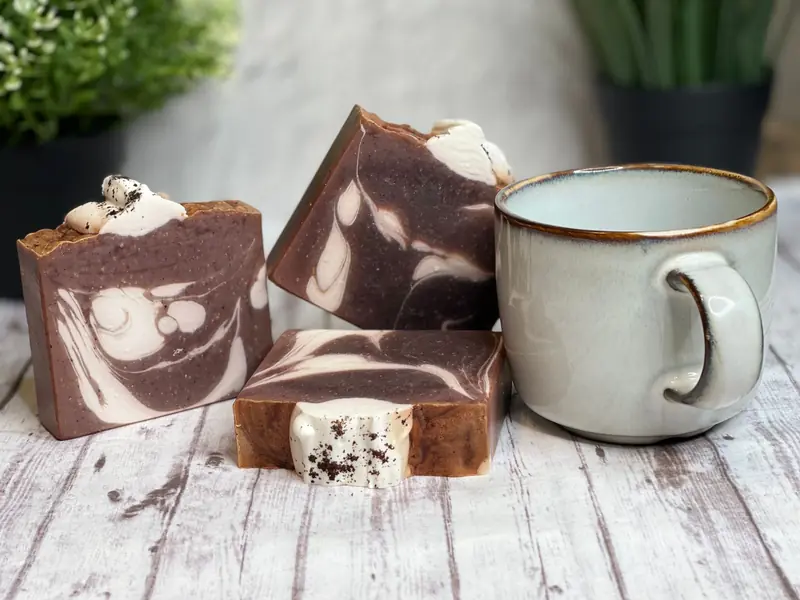
Everything in decorative soap depends on batter consistency. Thin, fluid batter at light trace flows and blends, which is exactly what you want for swirls, while thicker batter holds its shape for distinct layers. Before attempting any design, you must be able to reach and hold a light trace, which usually means blending only to emulsion and working with a slow-moving recipe. Fast-tracing fragrances and warm temperatures are the enemies of intricate designs.
Layering is the most approachable starting technique. You divide your batter, color each portion differently, and pour them one atop another to create horizontal bands. The trick is timing: pour the first layer, let it set up just slightly so the next layer does not break through it, then pour the second gently over a spatula to disperse the flow. Pouring at a slightly thicker trace helps layers stay crisp and separate.
The in-the-pot swirl is a beloved technique that produces beautiful results with little effort. You add spoonfuls of colored batter into your main pot in a pattern, give it a few gentle stirs or figure-eights, then pour the whole thing into the mold. The colors mingle unpredictably, creating unique swirls in every bar. Because you barely stir, the effect is forgiving and nearly impossible to ruin, making it perfect for beginners.
More advanced swirls happen in the mold itself. The hanger swirl involves pouring alternating colors into the mold, then dragging a bent wire hanger up and down through the batter to weave the colors together. The mantra swirl, drop swirl, and Taiwan swirl are variations that manipulate poured colors with tools or pouring patterns. These require thin batter and a steady hand, but they yield the dramatic, flowing patterns that make artisan soap so striking.
Color choice and contrast make or break a design. Two or three well-chosen colors usually read more elegantly than a rainbow of muddy tones, and pairing a bright color with a clean white base created with titanium dioxide gives crisp definition. Disperse your colorants well so they blend smoothly, and consider how they will look sliced, since the internal pattern is often more interesting than the top.
As with all soap skills, practice is essential, and early attempts may turn out muddier or messier than you hoped. Start with a simple layer or an in-the-pot swirl, master trace control, and gradually attempt hanger and drop swirls as your confidence grows. Keep photos and notes of what worked, and do not be discouraged by imperfect batches. The moment you slice a loaf and reveal a swirl exactly as you imagined, all the practice pays off.
Popular right now
- Best Melt and Pour Soap BaseBuying guide
- Best Shea Butter for Soap MakingBuying guide
- Choosing Fragrance Oils for SoapArticle
- Embedding Objects in SoapArticle
- Best Natural Soap Colorants From Clays and BotanicalsBuying guide
- How to Use a Soap MoldArticle
Based on the last 28 days of search and visitor data.