Common Soap Making Mistakes and How to Avoid Them
Published How we research

Every soap maker, no matter how experienced, has a story about a batch that went wrong. Mistakes are part of learning the craft, but many of the most common ones are entirely avoidable once you know what to watch for. Recognizing these frequent pitfalls in advance will save you wasted ingredients, disappointment, and the occasional mess, letting you progress far more smoothly.
Products from this article
The highest-scoring picks from the buying guides this article links to. Scores are our editorial assessment, not customer ratings.
+ 10 Pcs set lets you sample several scents before buying large bottles
From our guide: Best Fragrance Oils for Handmade Soap
+ 15mil heavy duty nitrile gives strong protection from lye
From our guide: Best Soap Making Equipment
+ Autumn scents like brown sugar and harvest spice suit fall gift soaps
From our guide: Best Fragrance Oils for Handmade Soap
+ Chemical splash rating protects eyes from lye solution
From our guide: Best Soap Making Equipment
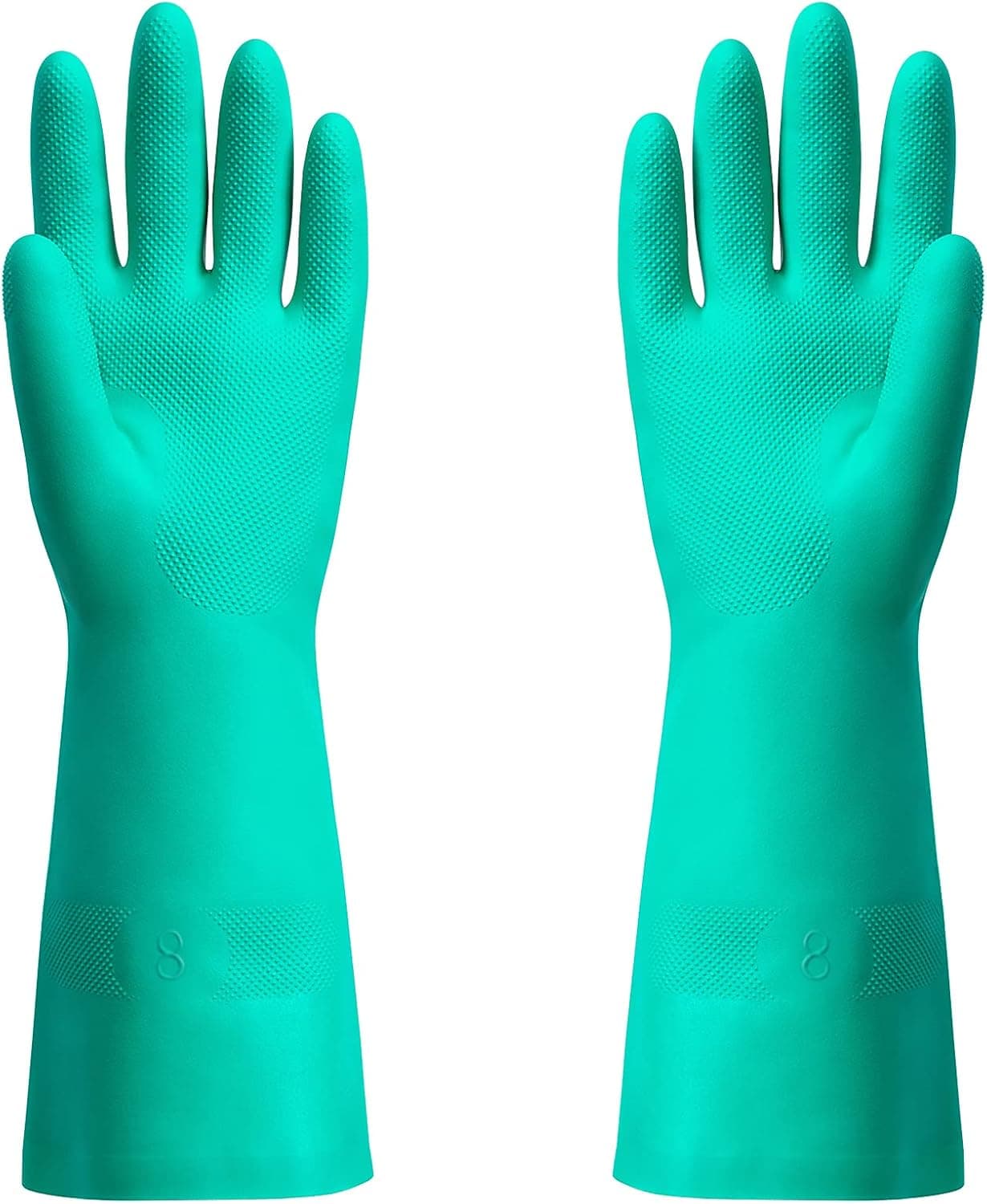

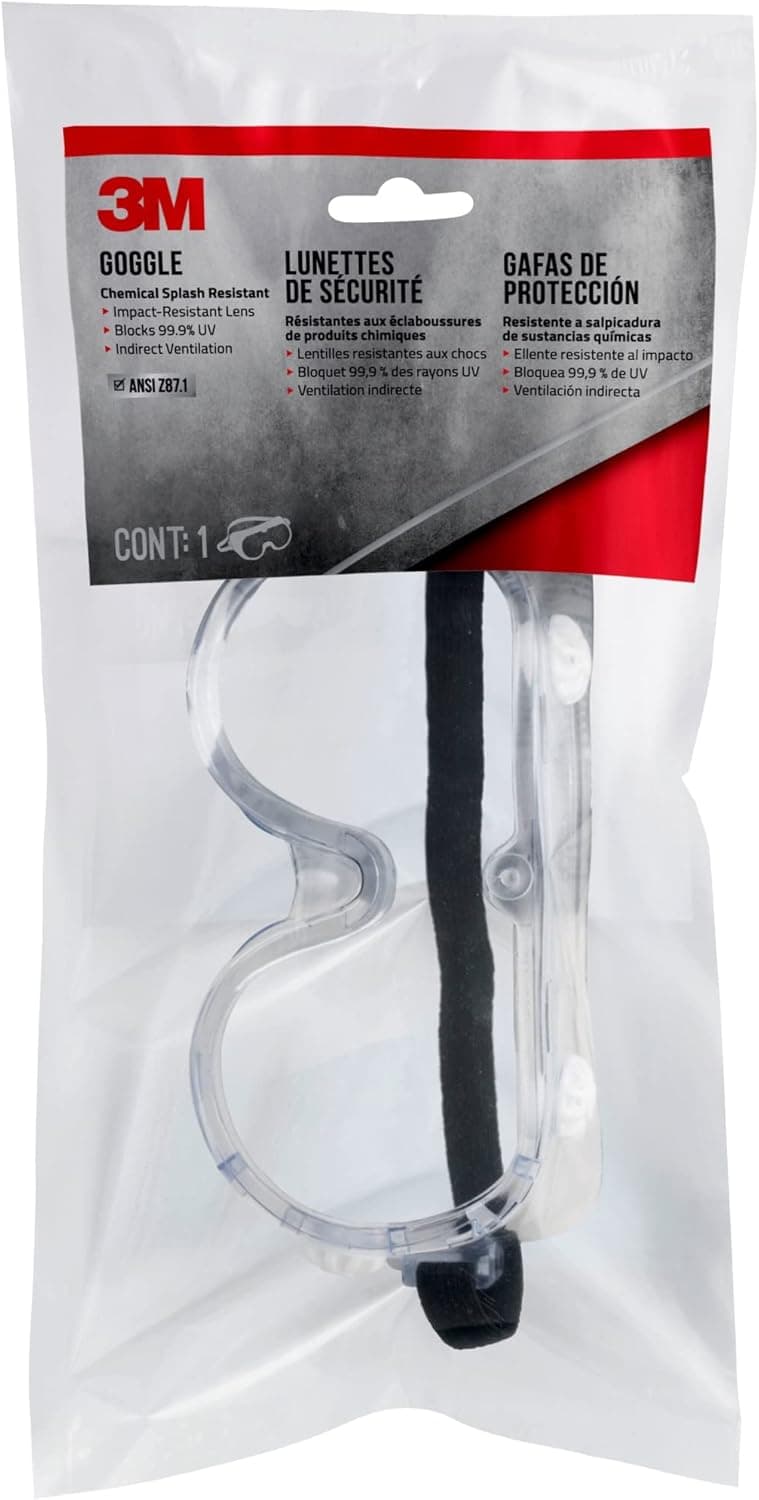

The most consequential mistake is inaccurate measuring. Soap making is a precise craft done by weight, not volume, and eyeballing amounts or using measuring cups leads to unbalanced, potentially unsafe bars. Always use a digital scale, weigh every ingredient including your lye and water, and double-check the lye amount in particular. Skipping the lye calculator or borrowing a recipe without verifying its numbers is a recipe for a harsh or failed bar.
Temperature errors are another frequent stumble. Soaping too hot can accelerate trace, cause overheating in the mold, lead to cracks, or even a partial gel that leaves an unattractive ring. Soaping too cold can cause false trace, where the batter thickens because hard oils are solidifying rather than because saponification is progressing, fooling you into pouring an unmixed batch. Learning the comfortable temperature range for your recipe and checking both oils and lye solution prevents these issues.
Over-blending with the stick blender is a classic beginner error. It is remarkably easy to bring soap to a thick, unworkable trace in seconds by running the blender continuously. This ruins any hope of swirling and can make the batter hard to pour smoothly. The fix is to pulse the blender in short bursts and stir by hand between them, giving you control and letting you stop at exactly the trace your design needs.
Poor fragrance choices cause heartbreak when a scent accelerates trace, causes ricing, or seizes the batch. Skipping research and using an untested fragrance in an elaborate design invites disaster. Read supplier notes and reviews, test tricky fragrances in simple pours first, and add fragrance at the right stage. Being caught off guard by a fast-moving fragrance is one of the most common reasons a planned swirl turns into a rustic glob.
Rushing the cure is a temptation nearly everyone faces. A freshly cut cold process bar looks finished, but using it too soon means a soft, short-lived, harsher bar that dissolves quickly and lathers poorly. Giving in to impatience robs you of the harder, milder, longer-lasting soap that a full four-to-six-week cure produces. Labeling batches with their make date and building a rotating cure shelf helps you resist the urge to test bars prematurely.
Other avoidable mistakes include neglecting safety gear, working in a cluttered or distracted environment, not lining wooden molds, unmolding before the soap is firm, and failing to keep notes. That last one is subtle but important: without a record of what you did, you cannot reliably repeat a success or diagnose a failure. A simple logbook of oils, weights, temperatures, and outcomes turns every batch, good or bad, into useful knowledge and steadily makes you a better soap maker.
Popular right now
- Best Melt and Pour Soap BaseBuying guide
- Best Shea Butter for Soap MakingBuying guide
- Choosing Fragrance Oils for SoapArticle
- Embedding Objects in SoapArticle
- Best Natural Soap Colorants From Clays and BotanicalsBuying guide
- How to Use a Soap MoldArticle
Based on the last 28 days of search and visitor data.