Curing Cold Process Soap
Published How we research
After the excitement of mixing, pouring, and cutting, cold process soap asks one thing of you: patience. Curing is the weeks-long resting period that transforms a fresh, soft bar into a hard, mild, long-lasting one. It is tempting to use a bar the moment it is cut, but understanding what happens during curing will convince you that the wait is well worth it.
Products from this article
The highest-scoring picks from the buying guides this article links to. Scores are our editorial assessment, not customer ratings.
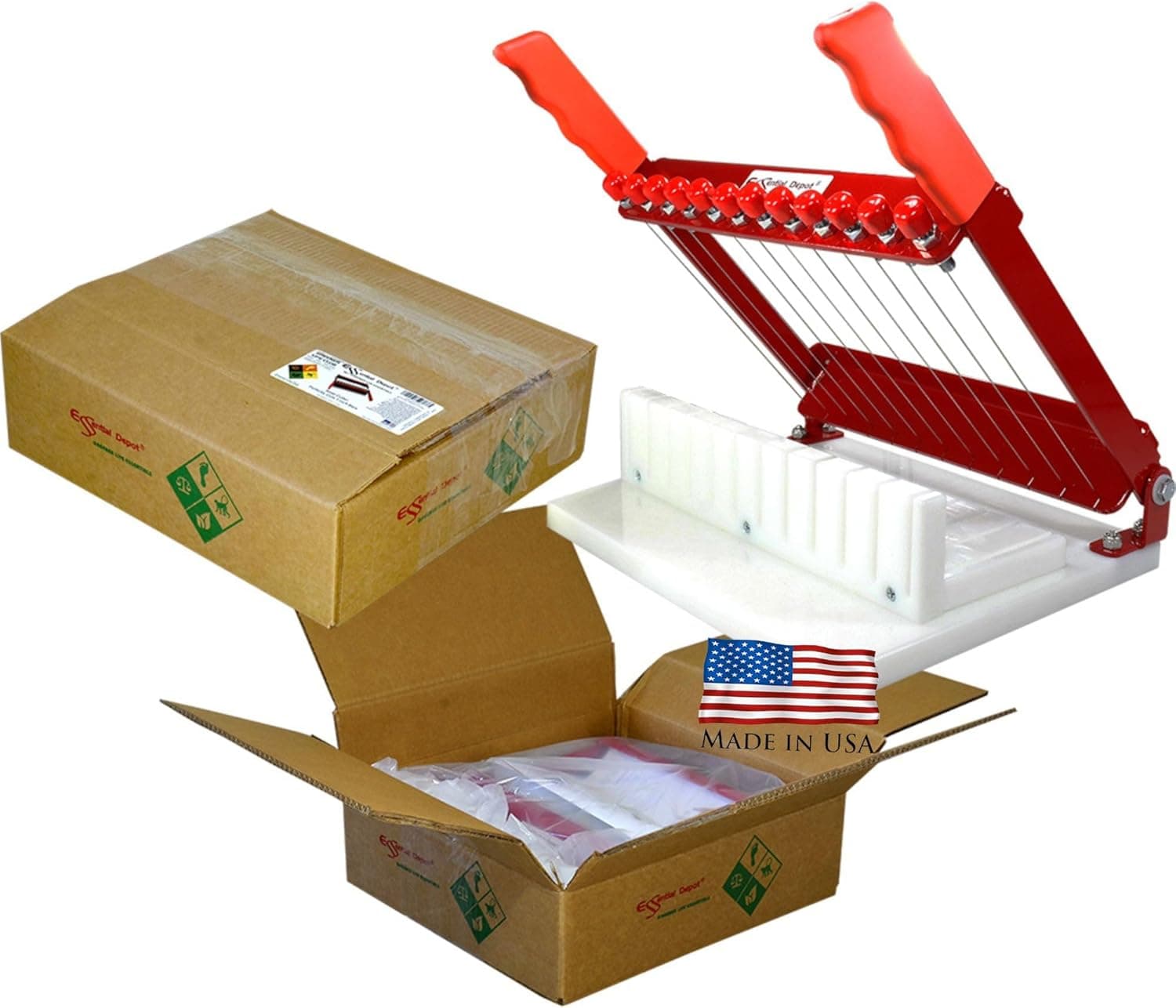
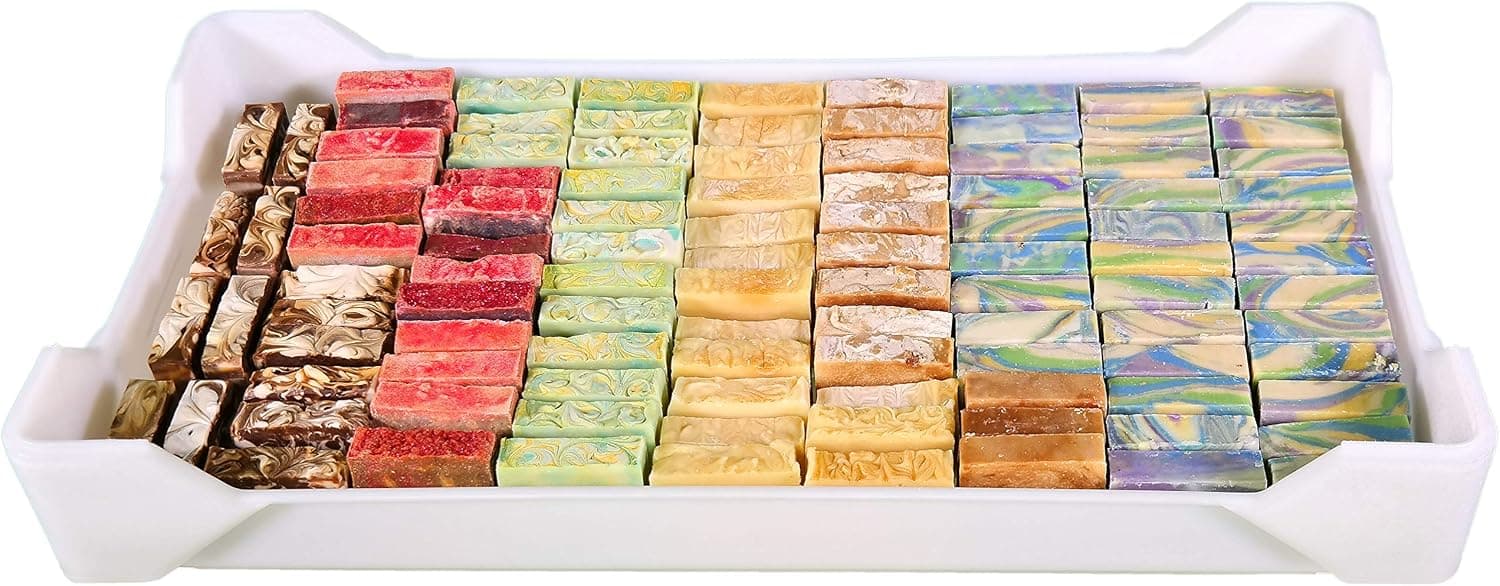
+ Holds up to 40 Lbs, roughly 100 bars, for large curing batches
From our guide: Best Soap Cutting and Curing Tools
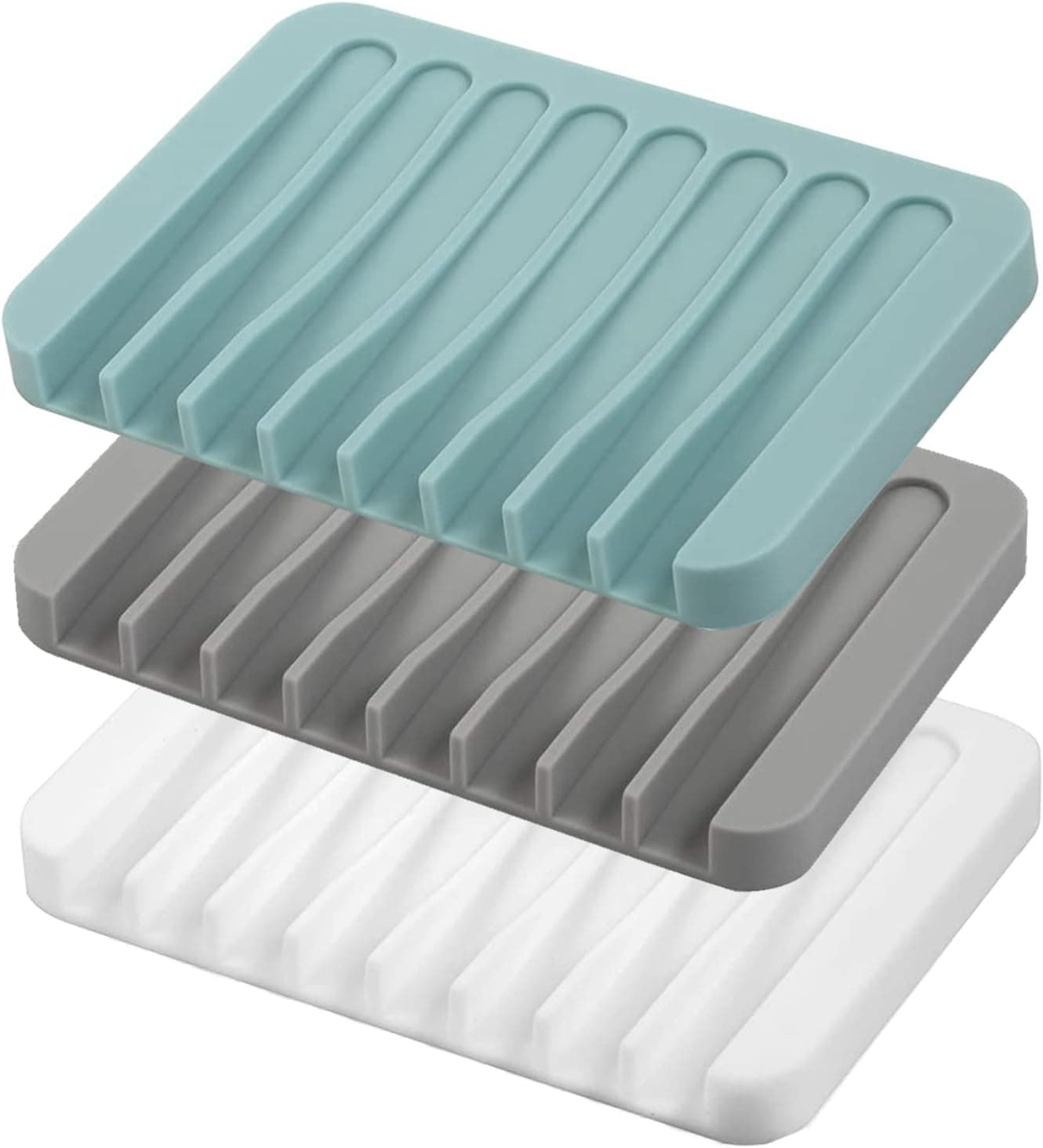
+ Waterfall design channels water off so soap lasts longer
From our guide: Best Soap Dishes for Long-Lasting Bars
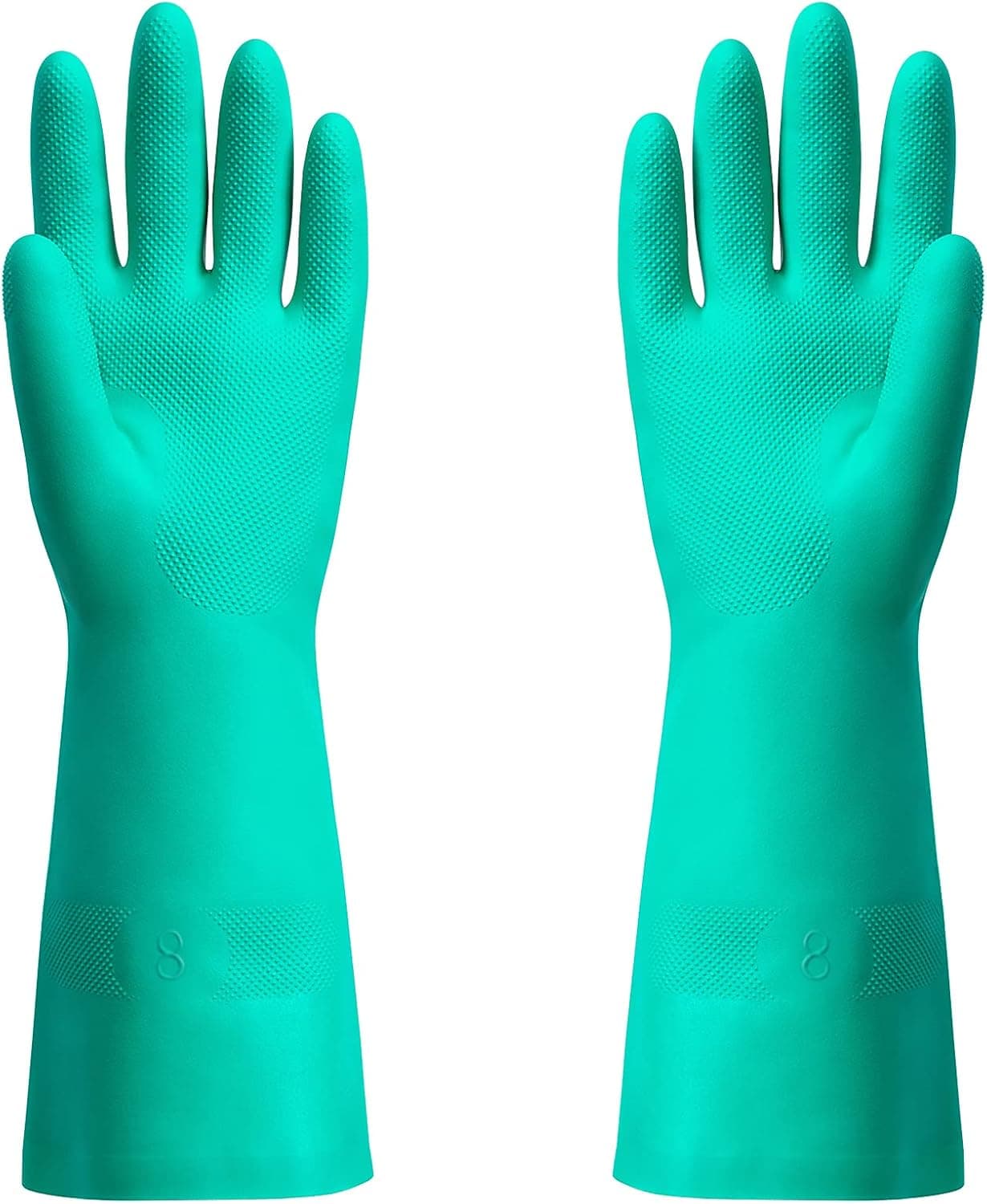
+ 15mil heavy duty nitrile gives strong protection from lye
From our guide: Best Soap Making Equipment
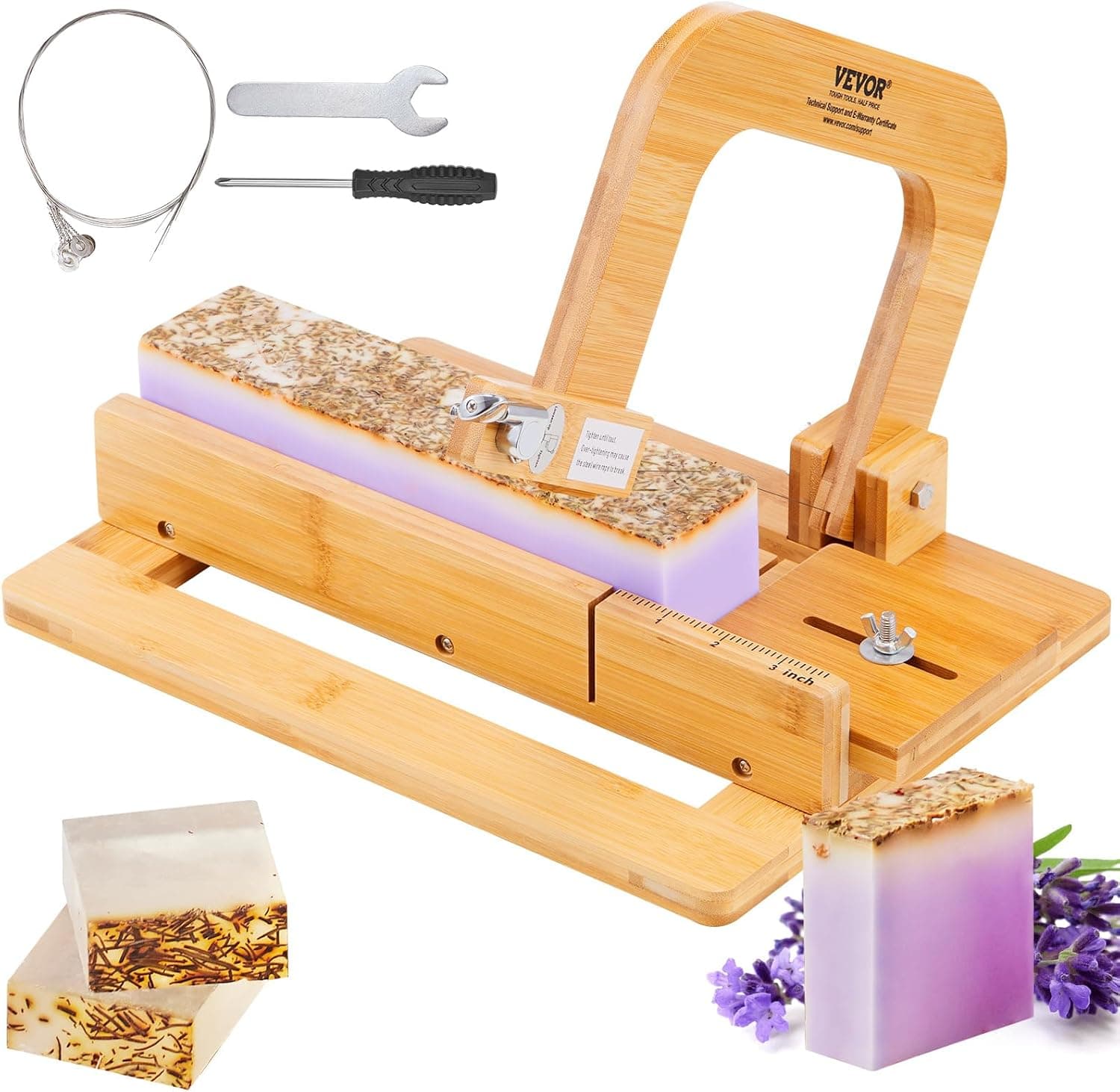
+ 0-2 inch adjustment covers thin guest bars to thick chunks
From our guide: Best Soap Cutting and Curing Tools
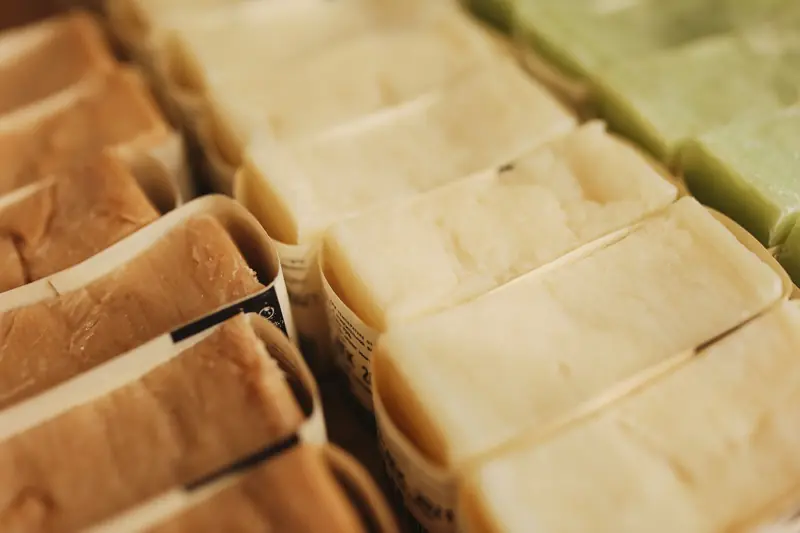
Many beginners assume curing is only about letting the lye finish reacting, but that is a misconception. Saponification, the reaction between oils and lye, is essentially complete within a day or two. A properly formulated bar is safe to touch long before it is cured. What curing really accomplishes is the slow evaporation of excess water from the bar, which changes its physical properties in important ways.
As water leaves the bar over several weeks, the soap becomes noticeably harder. A harder bar lasts much longer in the shower because it dissolves more slowly, meaning your customers or your household get more washes per bar. A freshly cut bar used right away can turn to mush in days, while the same recipe cured for a month can last for weeks. That difference alone justifies the cure.
Curing also improves lather and mildness. As the bar dries and the soap's crystalline structure matures, the lather often becomes creamier and more abundant. The bar also feels gentler on skin, since any minor excess alkalinity settles and the overall balance mellows. Soap makers frequently notice that the same recipe used fresh feels harsh compared to how it feels after a full cure.
The standard cure for cold process soap is four to six weeks, though some high-olive-oil recipes like castile benefit from months of curing. Cut your bars soon after unmolding so they have maximum surface area exposed to air. Then place them on a rack or a breathable surface with space between each bar for airflow, ideally in a cool, dry, well-ventilated room away from direct sunlight.
Good airflow and low humidity speed the cure and prevent problems. Bars crowded together or left in a damp basement can develop uneven drying or, in rare cases, dreaded orange spots from oxidizing oils. Turning the bars occasionally ensures all sides dry evenly. Some makers weigh a test bar periodically and consider the cure complete when its weight stabilizes, indicating the water has finished evaporating.
Label each batch with its make date so you always know when a bar is ready. Keeping a rotating shelf of curing soap becomes a rhythm that experienced makers enjoy, with new loaves entering as older ones become ready to use or sell. Resist the urge to rush. The finest handmade soap is the product of good ingredients, careful technique, and the simple discipline of letting time do its quiet work.
It is worth remembering that curing is not the same as storage, though they overlap. Once a bar is fully cured, you can wrap and store it, but it still benefits from cool, dry, airy conditions to stay fresh. Bars that finish curing and then sit in a humid room can soften or develop problems, undoing some of the benefit of the cure. Think of curing and good storage as two halves of the same commitment to quality, and your bars will reward you with hardness, mildness, and long life every time you reach for one.
Popular right now
- Best Melt and Pour Soap BaseBuying guide
- Best Shea Butter for Soap MakingBuying guide
- Choosing Fragrance Oils for SoapArticle
- Embedding Objects in SoapArticle
- Best Natural Soap Colorants From Clays and BotanicalsBuying guide
- How to Use a Soap MoldArticle
Based on the last 28 days of search and visitor data.