Trace Explained
Published How we research

Trace is the moment when soap making stops being chemistry and starts being craft. It refers to the point at which your oils and lye solution have emulsified and thickened enough that a drizzle of batter leaves a visible trail, or trace, on the surface before sinking back in. Learning to read trace accurately is essential, because it tells you when to add ingredients, when to swirl, and when to pour.
Products from this article
The highest-scoring picks from the buying guides this article links to. Scores are our editorial assessment, not customer ratings.
+ 10 Pcs set lets you sample several scents before buying large bottles
From our guide: Best Fragrance Oils for Handmade Soap
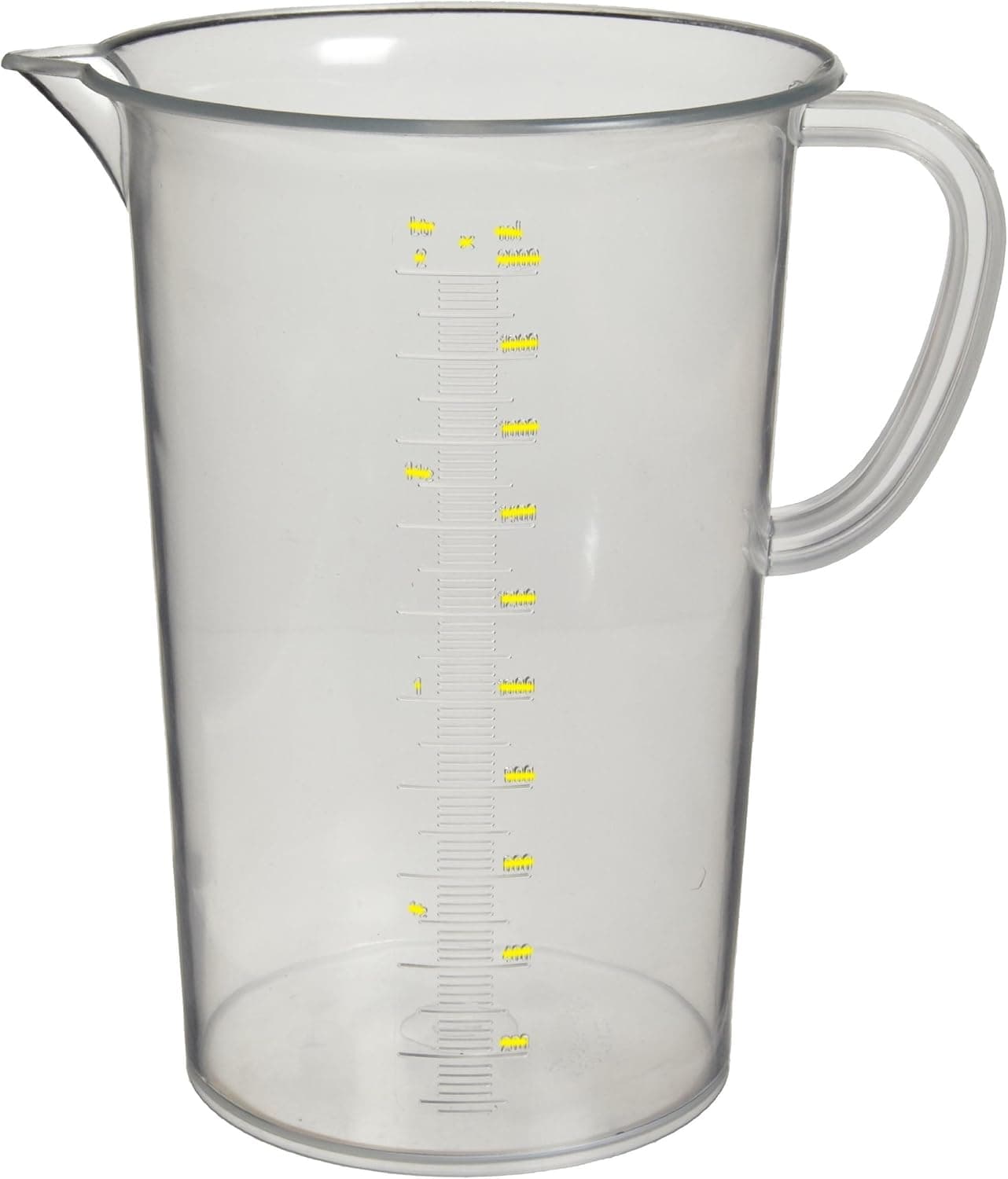
+ TPX plastic is lab-grade and resistant to many chemicals
From our guide: Best Pitchers for Soap Making
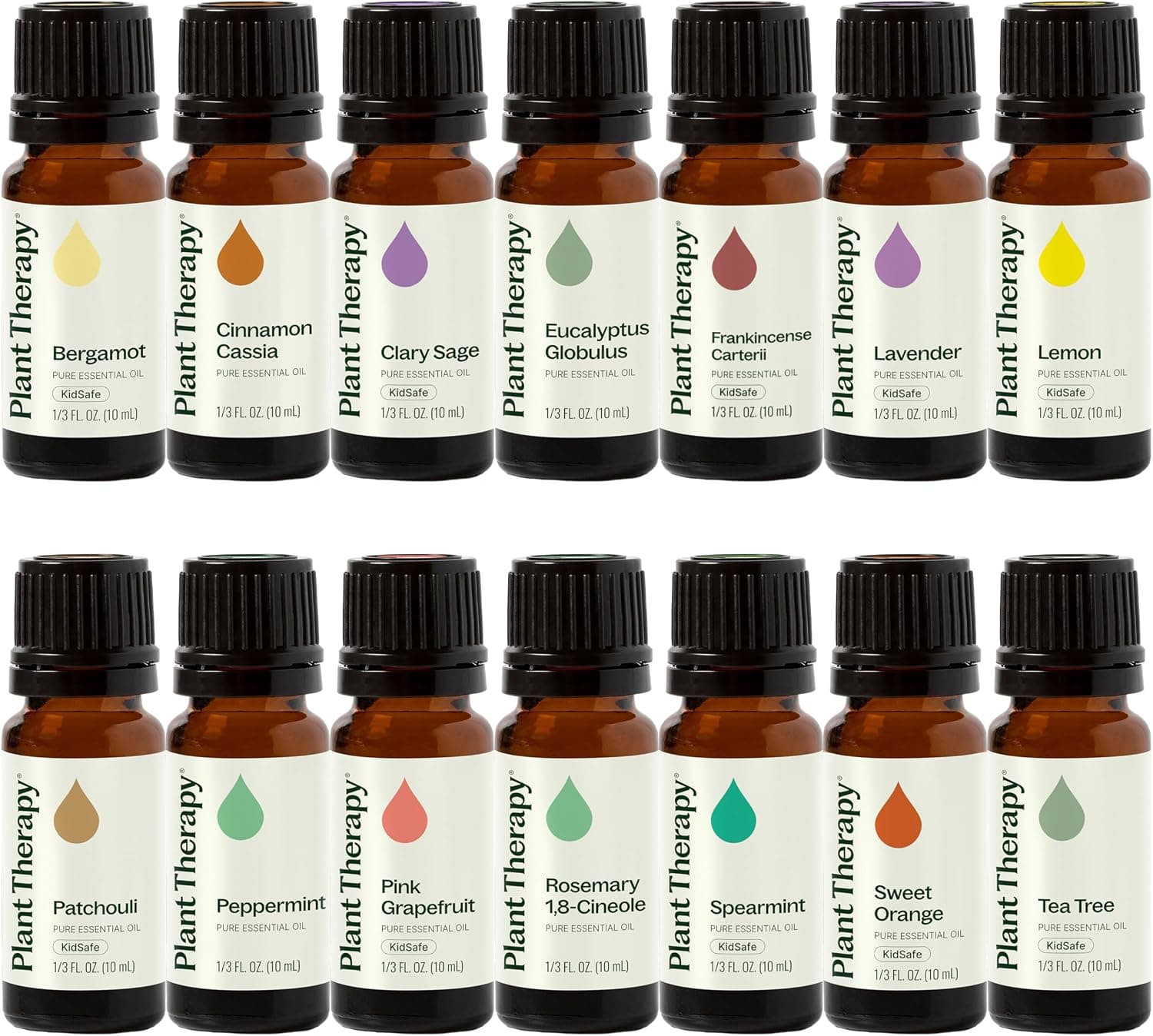
+ Top 14 set covers a wide range of classic essential oil scents
From our guide: Best Essential Oils for Natural Soap Making
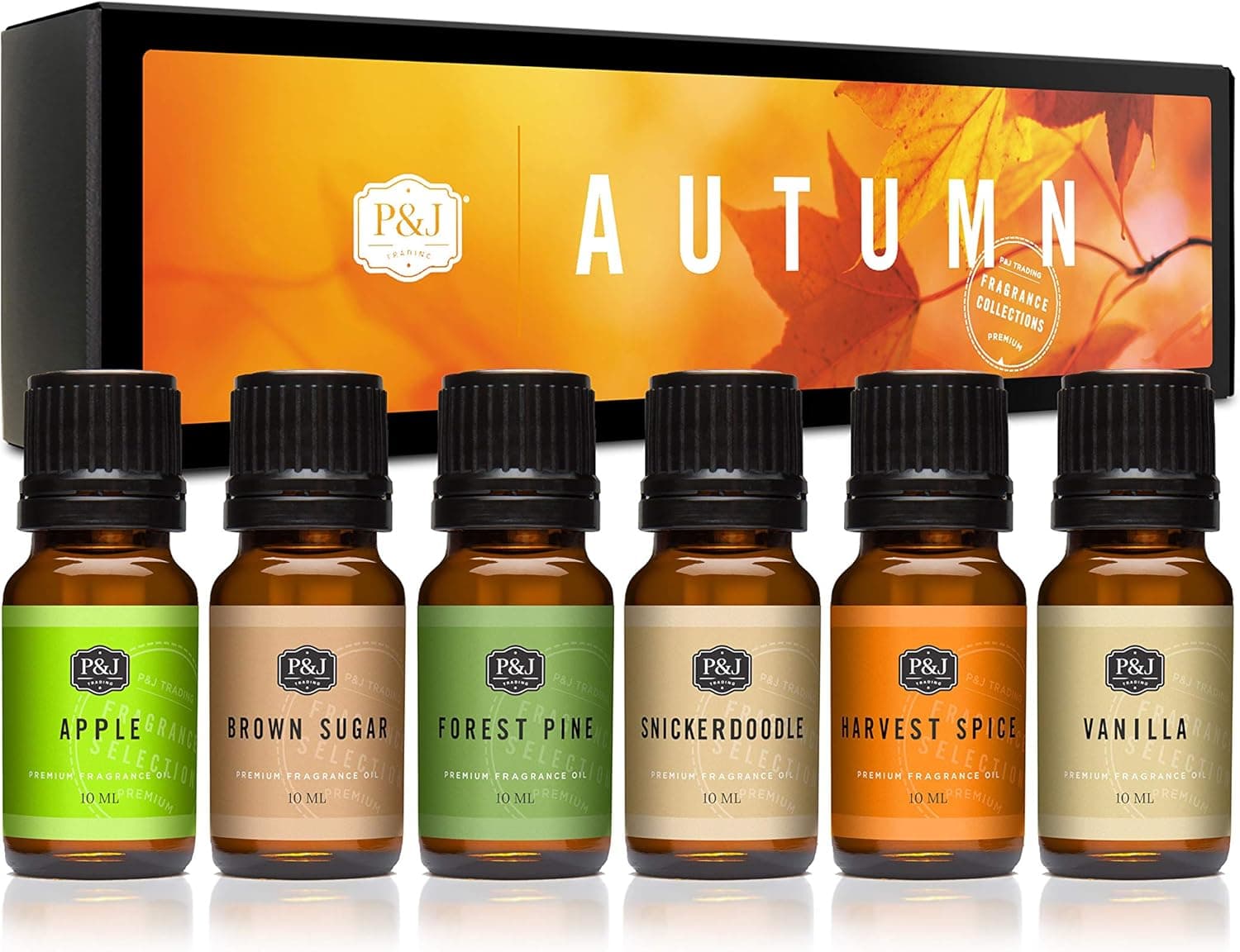
+ Autumn scents like brown sugar and harvest spice suit fall gift soaps
From our guide: Best Fragrance Oils for Handmade Soap
When you first combine your oils and lye water, the mixture is thin and separates easily. As you stir, especially with a stick blender, the two phases emulsify into a stable, uniform batter. Reaching a true, stable emulsion is the minimum you need before pouring, because an under-mixed batch can separate in the mold. Recognizing that the batter has come together and will not split is your foundational skill.
Soap makers describe trace in stages. Light trace is the consistency of thin cake batter or pourable custard; a drizzle leaves a faint, quickly disappearing trail. This is the ideal stage for intricate swirls and for pouring thin layers, because the batter is still fluid enough to move and blend. Adding your fragrance and colors at light trace gives you maximum working time.
Medium trace is thicker, similar to warm pudding, and holds a drizzled line for a few seconds. It works well for pouring into a mold when you want a clean, even fill and a batter that will not slosh. Thick trace is like thick pudding or mashed potatoes, where the batter mounds and holds shape. Thick trace suits techniques like textured tops, layering that must not bleed together, and rustic designs, but it is too stiff for delicate swirls.
Several factors influence how fast you reach trace. Recipes high in hard oils and butters trace faster than those rich in olive oil, which can take a long time to thicken. Warmer temperatures accelerate trace, as do certain fragrance oils and additives. A stick blender brings soap to trace in seconds, while hand-stirring can take much longer. Knowing your recipe's tendencies helps you plan the complexity of your design.
One of the most common beginner pitfalls is over-blending to thick trace by accident. Pulsing the stick blender in short bursts, then stirring by hand between bursts, gives you far more control than running it continuously. If you want a slow, workable trace for elaborate swirls, blend just to emulsion and let the batter thicken gradually while you work. It is always easier to keep stirring than to thin batter that has already seized.
With practice, judging trace becomes intuitive. You will glance at the drizzle, feel the drag on your spatula, and know instantly whether it is time to swirl, layer, or pour. Until then, err on the side of thinner trace and short blender bursts. Reading your batter well is the difference between a stressful race against thickening soap and a calm, deliberate pour that lands exactly the design you envisioned.
Popular right now
- Best Melt and Pour Soap BaseBuying guide
- Best Shea Butter for Soap MakingBuying guide
- Choosing Fragrance Oils for SoapArticle
- Embedding Objects in SoapArticle
- Best Natural Soap Colorants From Clays and BotanicalsBuying guide
- How to Use a Soap MoldArticle
Based on the last 28 days of search and visitor data.