Coloring Soap With Mica
Published How we research
Mica is one of the most beloved colorants in soap making, prized for its shimmering, saturated tones and ease of use. These fine mineral powders, often coated for stability, let you create everything from soft pastels to bold jewel tones. Learning to work with mica properly is a quick way to elevate your bars from plain to eye-catching, whether you make melt and pour or cold process soap.
Products from this article
The highest-scoring picks from the buying guides this article links to. Scores are our editorial assessment, not customer ratings.
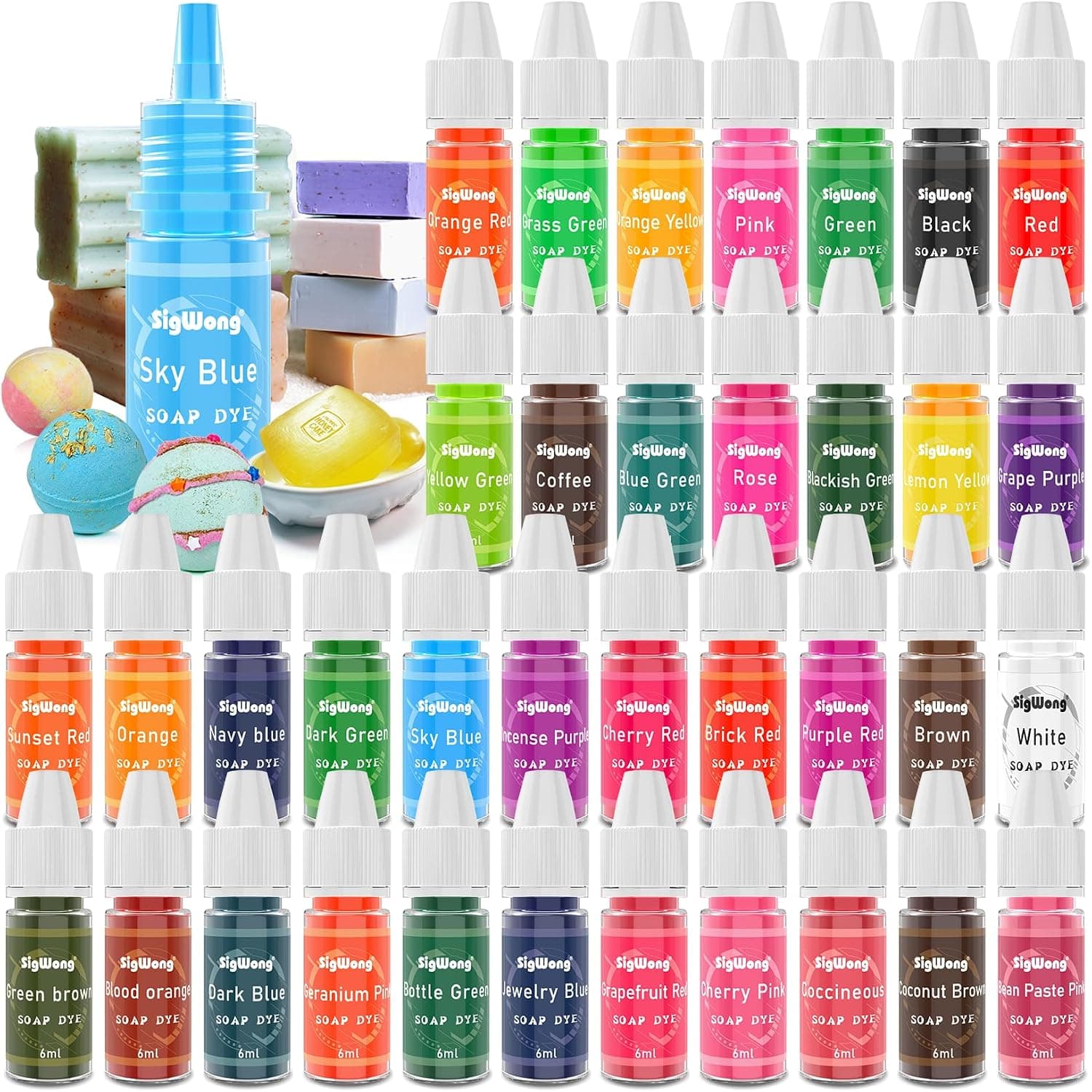
+ 36 Colors is one of the widest liquid dye ranges available
From our guide: Best Soap Dyes for Bright Handmade Bars
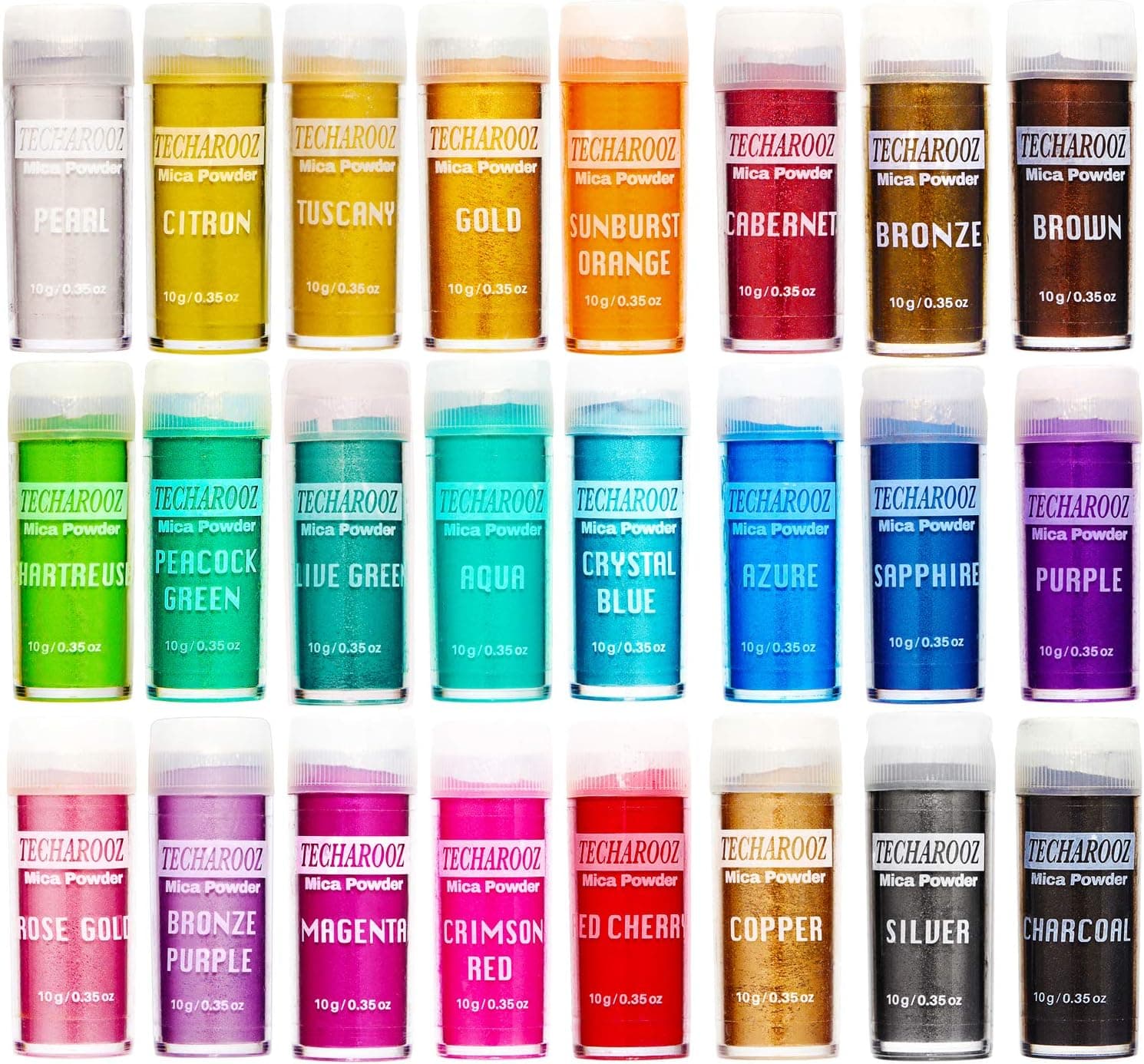
+ 10g each is a generous amount of mica per color for a set
From our guide: Best Mica Powder for Coloring Handmade Soap
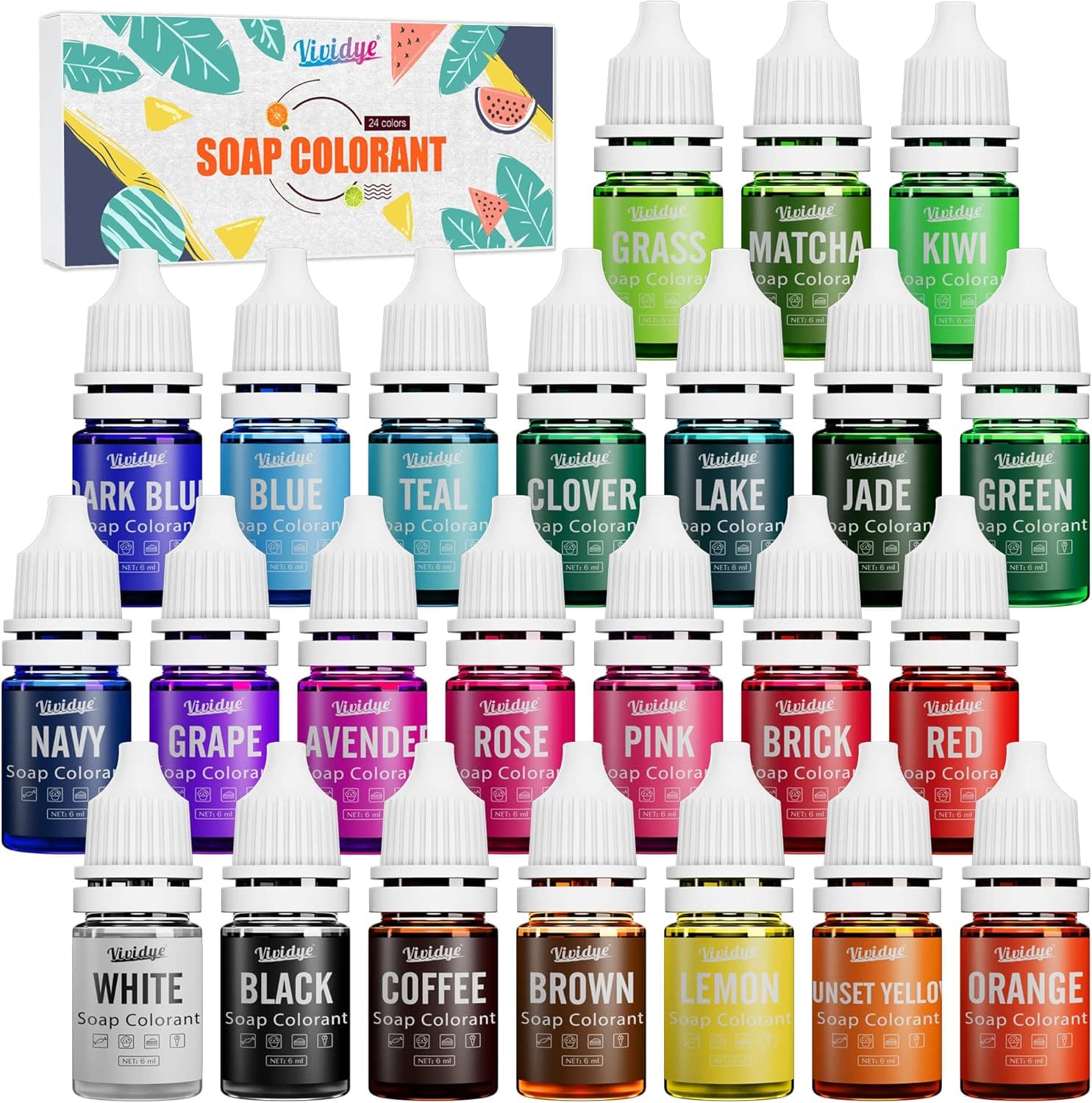
+ 24 Color range makes it easy to mix exact shades
From our guide: Best Soap Dyes for Bright Handmade Bars
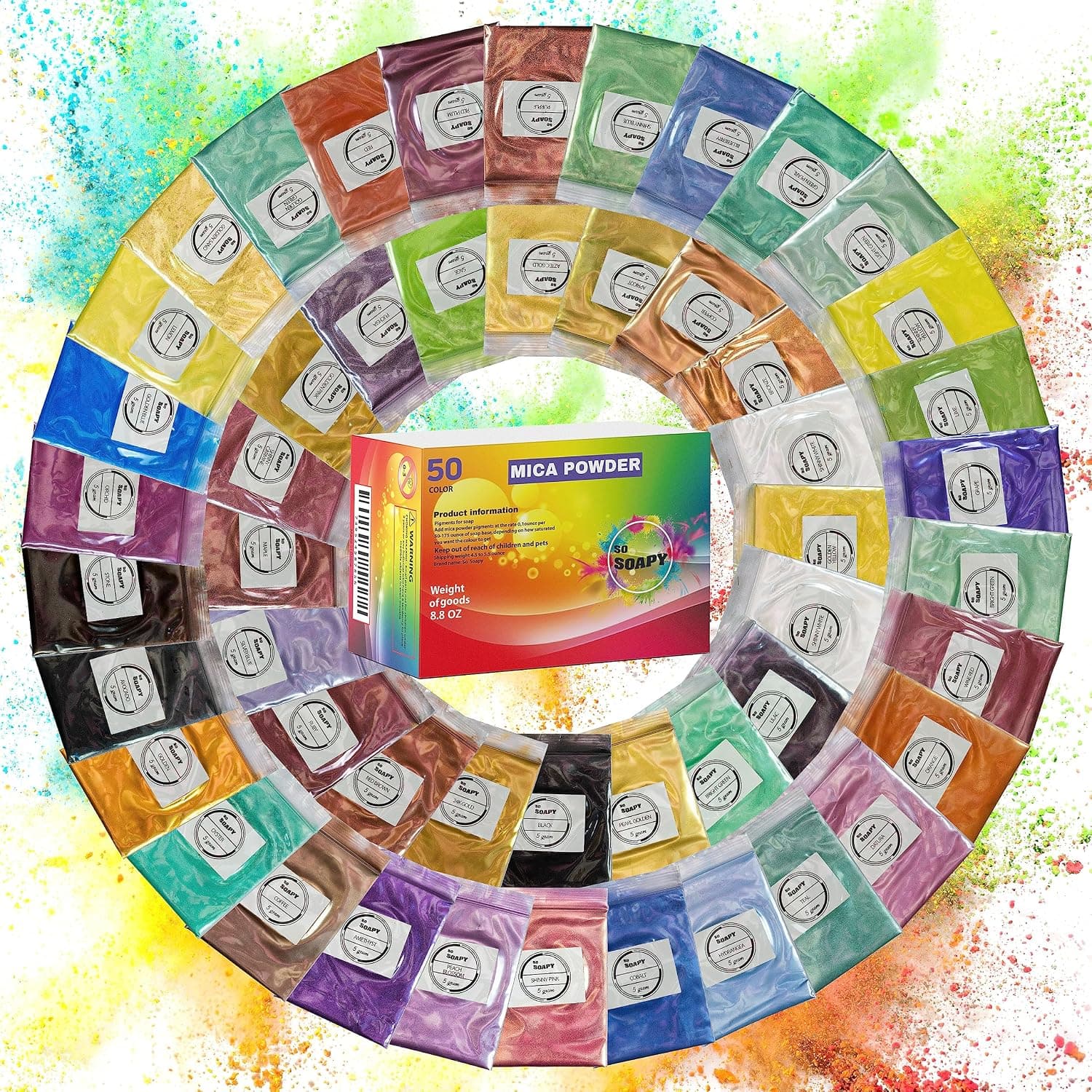
+ 50 Colors give a huge palette for swirls and gradient designs
From our guide: Best Mica Powder for Coloring Handmade Soap
The most important skill with mica is dispersing it well. Adding dry powder directly to your batter almost always results in tiny clumps and speckles rather than smooth, even color. Instead, pre-mix your mica with a small amount of liquid oil, usually a lightweight oil from your recipe, using a mini whisk until it forms a lump-free slurry. This dispersion blends seamlessly into soap and gives you the vivid, uniform result you are after.
How much mica you use depends on the intensity you want, but a common starting point is about one teaspoon of mica per pound of oils. You can adjust up for deeper color or down for a softer tint. Because mica is concentrated, add gradually and stir thoroughly before deciding whether you need more. Keep in mind that soap batter often looks lighter than the finished, cured bar, so a little restraint prevents overshooting.
Not all micas survive the cold process environment. The high pH of raw soap can cause certain colors, especially some purples, pinks, and blues, to morph into unexpected shades or fade entirely. Reputable suppliers label their micas as cold process stable when they hold up, so check before buying if color accuracy matters. For melt and pour, which has a neutral pH, almost any cosmetic mica performs beautifully and predictably.
Mica truly shines in decorative techniques. Dispersed mica creates stunning swirls when you layer differently colored batters and drag a skewer through them. A pinch of dry mica brushed onto the top of a finished bar adds a glamorous metallic sheen. You can even paint mica mixed with alcohol onto melt and pour surfaces for detailed accents. These effects are what give handmade soap its artisanal, sellable appeal.
A few practical cautions will keep your results clean. Mica can drift into the air as a fine dust, so mix it gently and consider wearing a mask if you are sensitive. Some cheaper craft micas are not skin-safe or are meant only for resin or candles, so buy from cosmetic-grade soap suppliers. And remember that mica adds color but not opacity in the way a dedicated white pigment like titanium dioxide does; combine them when you want bright colors on a clean white base.
With dispersion mastered and a small collection of trusted, cold-process-stable shades, you can reliably reproduce your favorite looks batch after batch. Start with two or three colors, practice simple swirls, and expand your palette as your confidence grows. Few things in this craft are as rewarding as slicing into a loaf and seeing bright, deliberate color exactly where you placed it.
Popular right now
- Best Melt and Pour Soap BaseBuying guide
- Best Shea Butter for Soap MakingBuying guide
- Choosing Fragrance Oils for SoapArticle
- Embedding Objects in SoapArticle
- Best Natural Soap Colorants From Clays and BotanicalsBuying guide
- How to Use a Soap MoldArticle
Based on the last 28 days of search and visitor data.