Can You Use Food Coloring in Soap?
Published How we research
Yes, you can use food coloring in soap, but it behaves best in melt and pour and is unreliable in cold process. In melt and pour it gives clear, see-through color with a few drops, but it bleeds between layers and fades in light; in cold process the high pH of fresh soap often shifts or washes out the color. For a one-off batch with kids it is fine. For bars you want to look the same in three months, or bars you plan to sell, soap-specific dyes, micas or oxides are the better choice.
What food coloring actually is
Most supermarket food coloring is a water-soluble dye: FD&C colors such as Red 40, Yellow 5 and Blue 1 dissolved in water, propylene glycol or glycerin. Gel and paste colors for icing are the same dyes in a thicker carrier, often with glycerin, corn syrup or a gum. Natural food colors use plant extracts such as beet, turmeric or spirulina instead of synthetic dyes.
That matters because a dye dissolves into the soap rather than sitting in it as particles. Dyes give transparent color, which is why they look good in clear melt and pour base, but anything dissolved can also move. Micas, oxides and clays are insoluble pigments: they stay where you put them and look opaque or pearly instead of glassy.
Food coloring in melt and pour soap
Melt and pour base has already been saponified, so there is no raw lye in the pot to attack the dye. That makes food coloring far more predictable here than in cold process. Stir it into melted base at around the temperature you would add fragrance, and start with one or two drops per pound of base. Clear base shows color at a much lower dose than white base, where the same drops read as a pastel.
The trade-offs show up later. Water-soluble dyes migrate, so a blue layer next to a white layer can develop a soft, fuzzy edge over days or weeks, and a dyed embed slowly tints the soap around it. Food dyes are also not very lightfast: a bar left on a sunny windowsill can fade noticeably. Water-based liquid drops add a little water too, which is harmless at a few drops but is one more reason not to pour in a large amount for a dark shade.
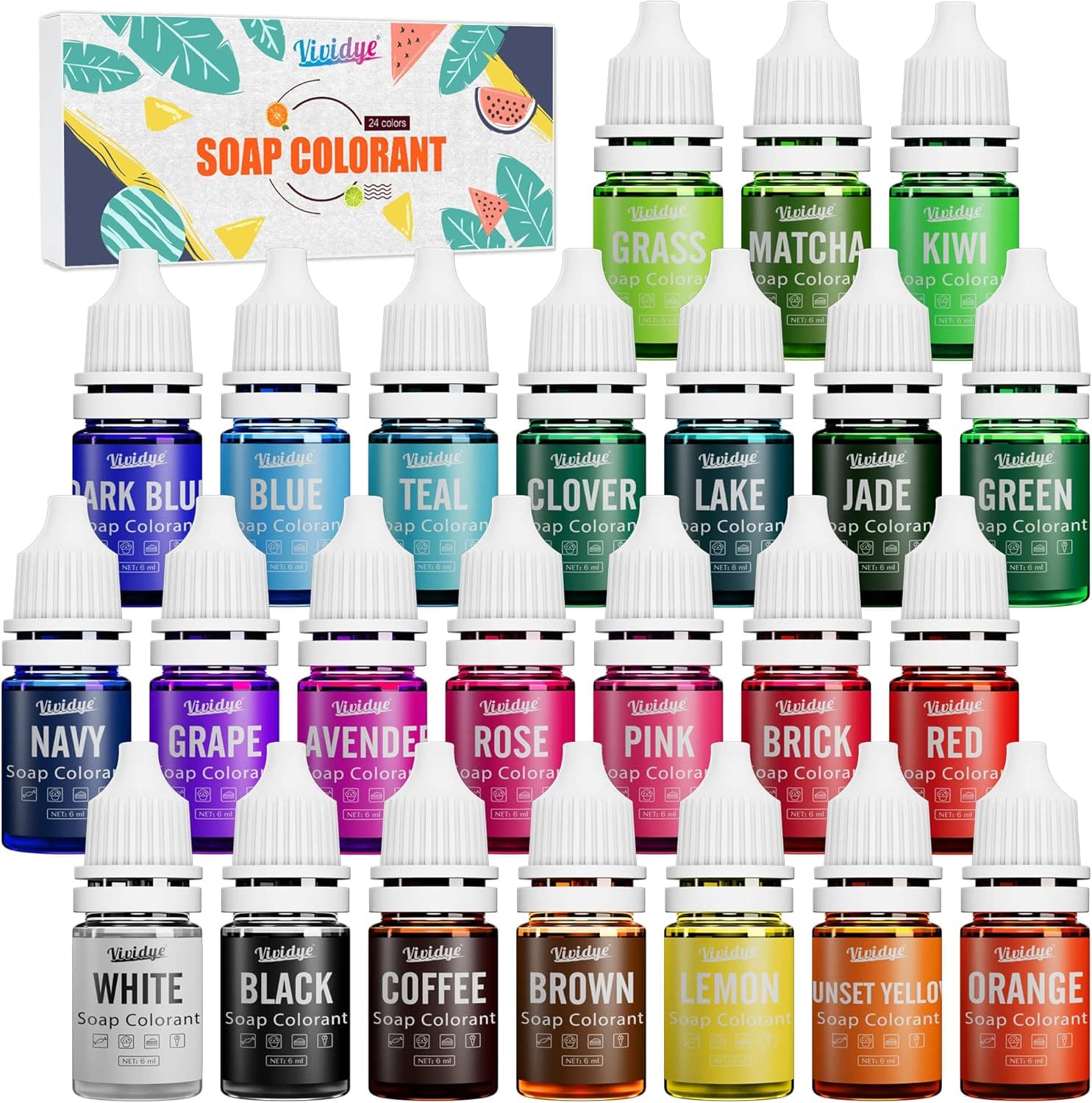
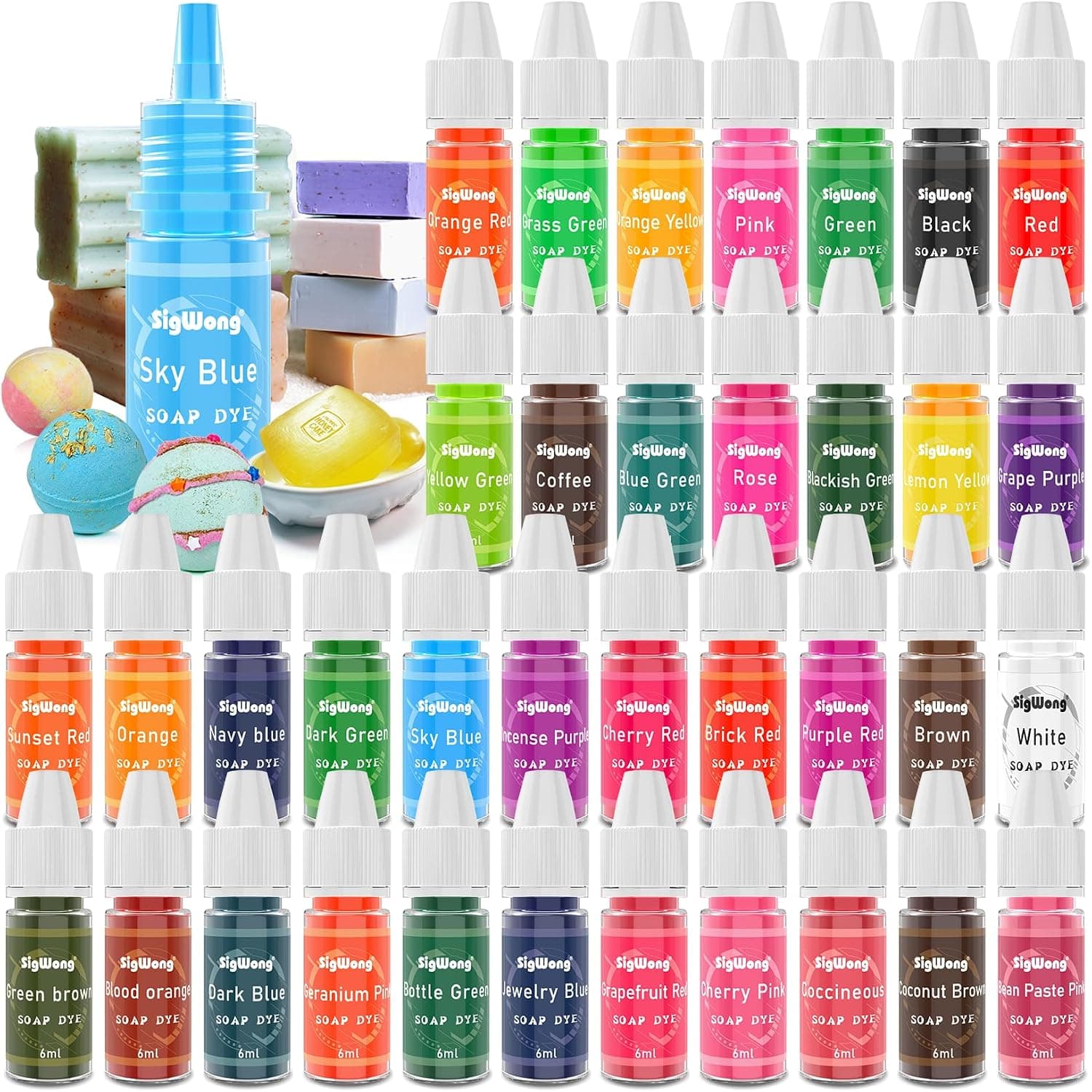
If you want strong, solid color in melt and pour, soap dyes made for the job are the closer substitute, and they are sold in the same dropper format.
Food coloring in cold process and hot process soap
Fresh cold process soap is strongly alkaline, and many food dyes are not stable at that pH. Results vary by color and brand: some shades hold, others morph into a different hue, turn muddy or brownish, or fade over the cure. Natural food colors made from plant extracts are often the least stable of all in raw soap. You can test, but expect surprises, and do not plan a swirl design around a color you have not tested in a small batch first.
Hot process has the same problem, since the dye still goes through saponification if you add it before the cook. Adding it after the cook avoids some of the shift but still leaves a color that bleeds and fades. In both methods, cosmetic micas labeled cold process stable, oxides and ultramarines are what soap makers use when they need the color in the mold to match the color on the cured bar.
Colored lather, stained towels and how much is too much
Any colorant used heavily can tint the lather, and dyes are the most likely to do it because they dissolve into the water as you wash. A pale pink bar rarely causes trouble. A deep red or navy bar made with a heavy dose of food coloring can leave colored suds and may mark light washcloths or a white soap dish. The fix is restraint: aim for a mid-tone and stop adding once the base reaches it, rather than chasing a very dark shade with dye.
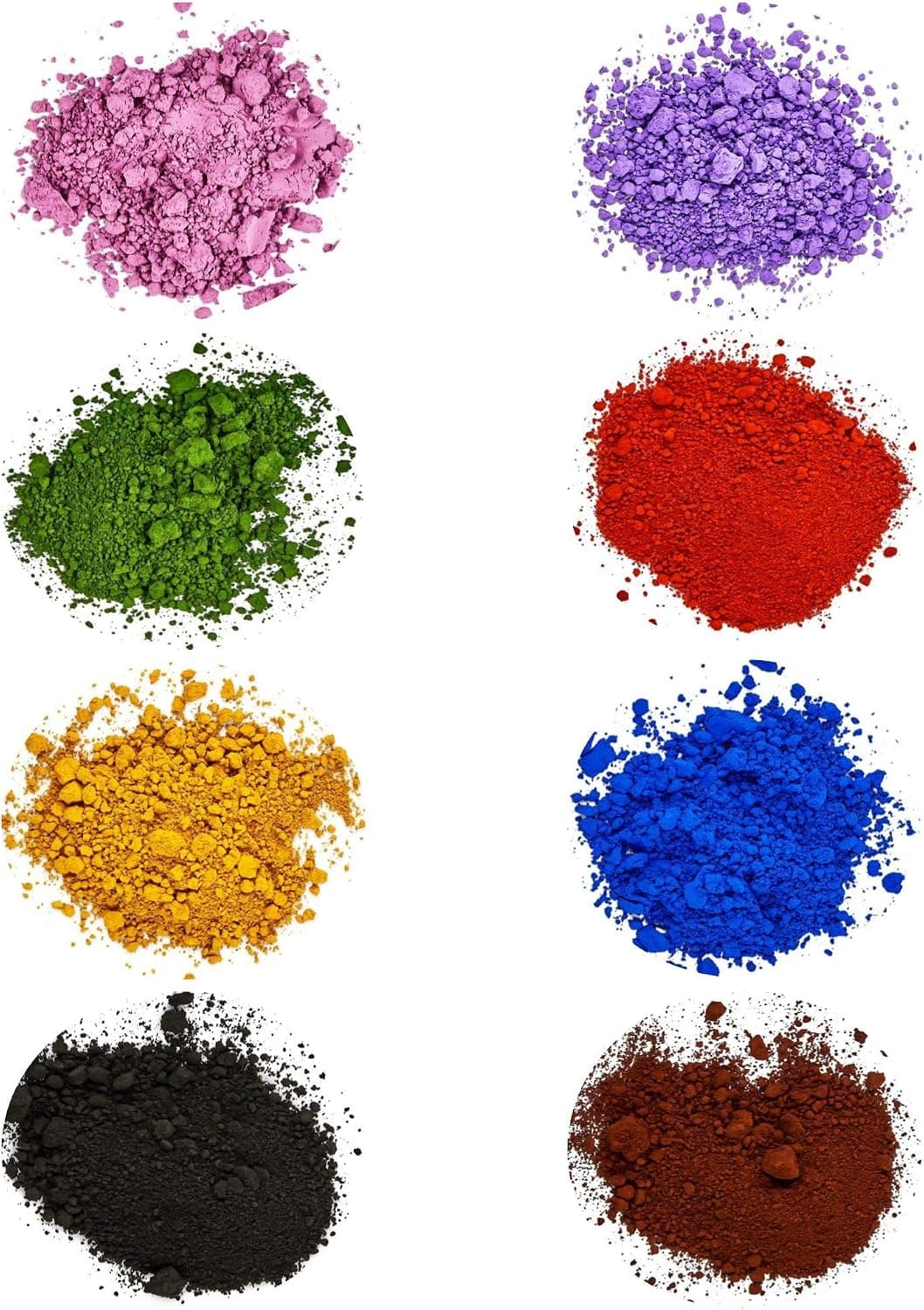
For dark, solid shades without colored lather, insoluble pigments do the job with less risk. A small amount of oxide or mica dispersed in oil or glycerin gives depth that dye can only reach at high doses.
If you plan to sell the soap
In the United States, whether a bar is regulated as soap or as a cosmetic depends on what it is made of and how it is marketed, and color additives used in cosmetics must be ones the FDA permits for that use. Grocery food coloring is not labeled for cosmetic use, and listing it on a label raises questions you do not need. Colorants sold specifically for soap and cosmetics come with clearer names for your ingredient list, which makes labeling simpler. Check the current FDA guidance on soap and color additives before selling.
For hobby bars at home this is not a concern, but it is a good reason to switch to cosmetic colorants once your soap leaves the house.
Better options, and when food coloring is fine
Food coloring is fine for a quick melt and pour session with children, single-color bars you will use soon, and test batches where you only need a rough tint. It is a poor choice for layered or embedded designs, bars that will sit on display, cold process soap where color accuracy matters, and anything you sell.
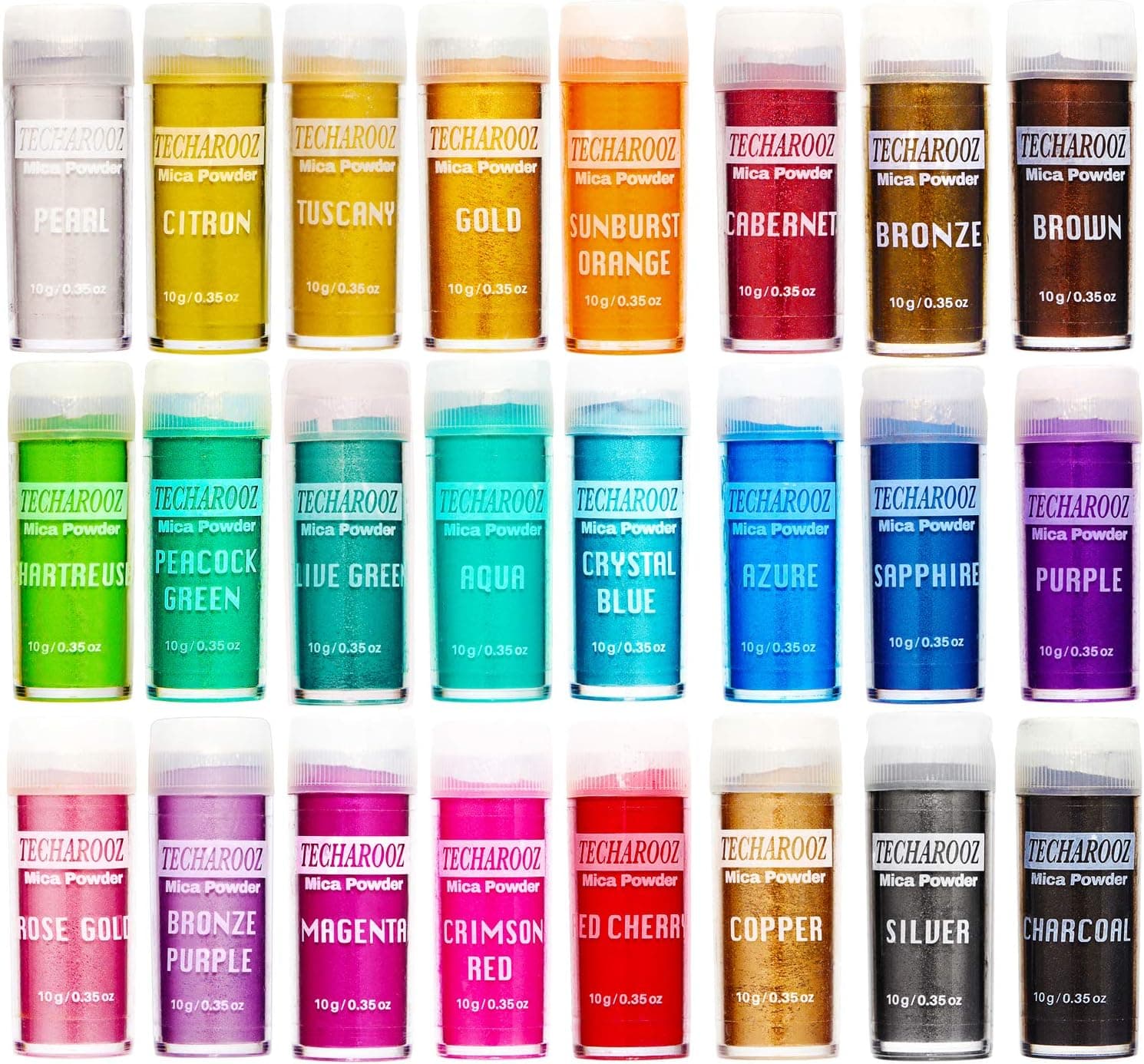
For a direct swap, liquid soap colorants come in dropper bottles like food coloring but are made for soap. Soap dyes give the same transparent look in clear base. Micas add shimmer, oxides give matte, stable color in cold process, and clays or botanicals cover the natural look. Each of these has a buying guide on this site.
Frequently asked questions
Is gel food coloring better than liquid for soap? Gel is more concentrated, so you need less of it and add less water, which helps in melt and pour. It is still a water-soluble dye, so it bleeds and fades the same way and is no more stable in cold process.
Will food coloring stain my skin? At the small amounts used for a light or mid-tone bar, it usually rinses off with the lather. Heavy doses that turn the suds colored are the ones that can leave a tint on washcloths, so keep the dose modest.
How do I stop food coloring from bleeding between layers? You cannot stop a water-soluble dye from migrating, only slow how visible it is. Use the dye in one layer only and pair it with layers colored with mica or oxide, or switch the dyed layer to a pigment.
Can I use natural food colors like beet or turmeric powder? Turmeric and some other spices are used as natural colorants in cold process, but beet and similar plant colors usually fade or brown in raw soap. Test any natural color in a small batch and expect the cured bar to look different from the batter.
Products from this article
The highest-scoring picks from the buying guides mentioned above. Scores are our editorial assessment, not customer ratings.
+ 36 Colors is one of the widest liquid dye ranges available
From our guide: Best Soap Dyes for Bright Handmade Bars
+ 10g each is a generous amount of mica per color for a set
From our guide: Best Mica Powder for Coloring Handmade Soap
+ 8 oxide colors cover a full basic palette for cold process soap
From our guide: Best Oxides and Pigments for Coloring Soap
+ 24 Color range makes it easy to mix exact shades
From our guide: Best Soap Dyes for Bright Handmade Bars
Popular right now
- Best Melt and Pour Soap BaseBuying guide
- Best Shea Butter for Soap MakingBuying guide
- Choosing Fragrance Oils for SoapArticle
- Embedding Objects in SoapArticle
- Best Natural Soap Colorants From Clays and BotanicalsBuying guide
- How to Use a Soap MoldArticle
Based on the last 28 days of search and visitor data.