Yogi's Gift Pack of 5 Clays for Mask & Soap Making - Rose Clay, French Green Clay, Kaolin, Moroccan Red and Bentonite Clay, 8oz Each Review (2026)
Updated September 14, 2026 · Research-based review
Our verdict
A generous, well rounded clay assortment for makers who want to experiment with color and texture across several soap or mask batches. Five 8 ounce clays cover a wide range of skin types, though bentonite's thirst for water means some recipes need extra liquid.
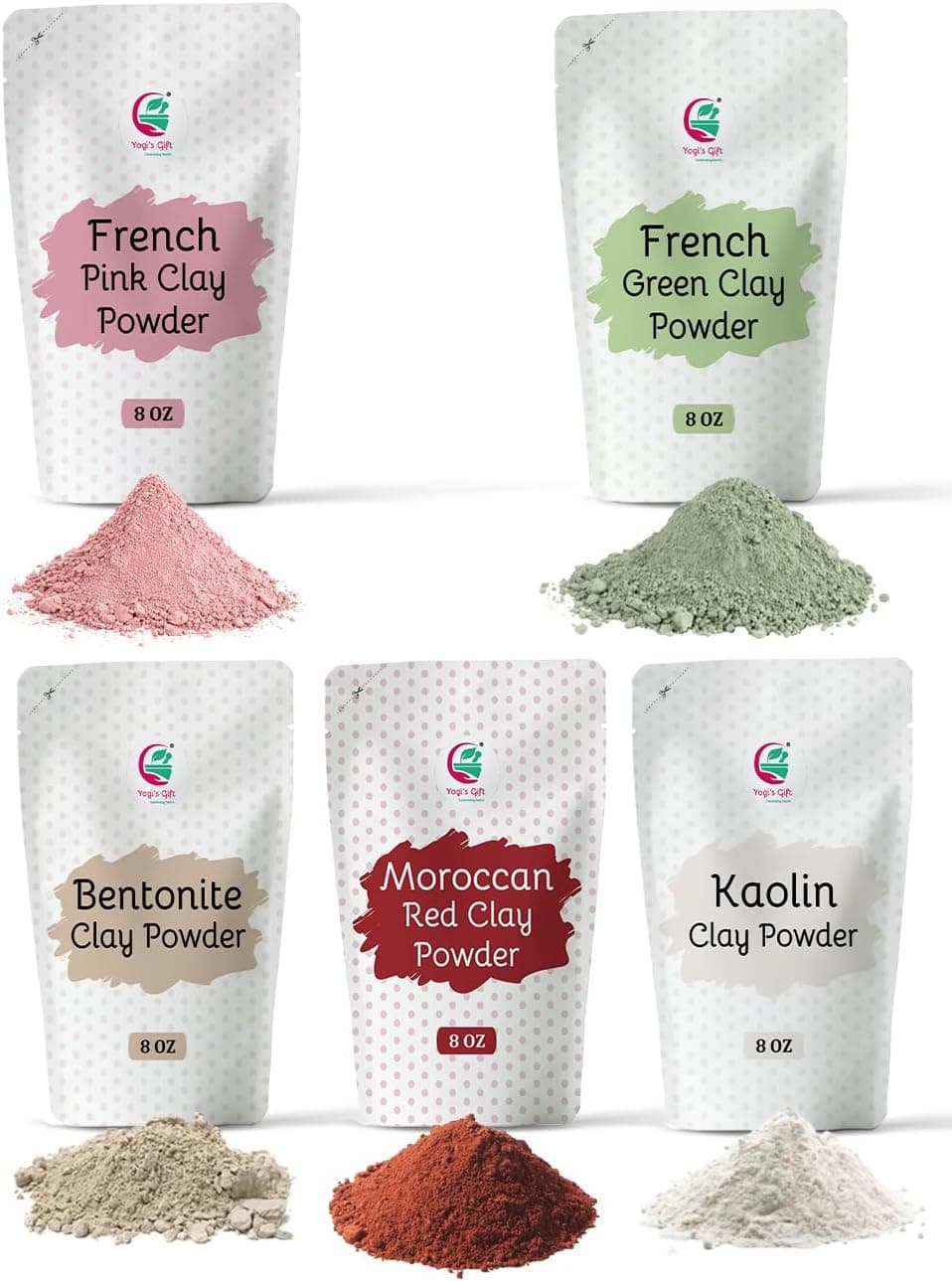
Yogi's Gift pack of 5 clays, 8oz each: rose, French green, kaolin, Moroccan red and bentonite for soap and masks.
Price range: See on Amazon
What we liked
- + 5 clays at 8oz each give plenty for many soap batches
- + Mix of colors lets you tint soap pink, green and red naturally
- + Kaolin and bentonite add slip and a silky lather
Trade-offs
- - Bentonite absorbs lots of water, so recipes may need adjusting
- - Five full bags take more storage than a small sampler
Who this clay set is for
This set suits makers who want to try natural coloring and added slip in soap without buying five separate bags of clay from five different brands. The pack bundles rose clay, French green clay, kaolin, Moroccan red clay, and bentonite clay, each in an 8 ounce bag, which covers a spread from gentle pink and cream tones to deeper green and red hues, along with the silky texture kaolin is known for. Makers who already know they only want one or two specific clays, such as just kaolin for lather or just bentonite for oily skin bars, may get better value buying those individually in bulk, but for anyone still exploring which clay suits their recipes, this variety pack removes the guesswork of five separate purchases.
What each clay brings to a bar
Kaolin is the mildest of the group and is often used for its silky after-feel and its ability to help lather without heavy drying. Bentonite is the most absorbent, pulling water into itself readily, which is why it is popular in bars aimed at oilier skin. French green clay and Moroccan red clay both act as natural colorants, tinting soap in soft green and warm red-brown tones respectively without synthetic dye, while rose clay gives a gentler pink. Because all five are sold as cosmetic grade clays intended for masks and soap, they are meant to be blended into a recipe at a small percentage rather than used as a primary ingredient, letting you layer color and texture across a whole line of bars.
Working with the clays in a batch
In practice, clays are usually mixed into a small amount of water, oil, or the soap's liquid phase before adding to the rest of the batch, which avoids clumping compared with sprinkling dry powder straight into thick trace. Bentonite in particular absorbs a disproportionate amount of water for its weight, so recipes built around it often need a slightly higher water amount than a clay-free recipe, and it is worth testing a small batch before scaling up. With five separate 8 ounce bags rather than small sample sachets, storage takes a bit more shelf space than a compact sampler, but each bag lasts through many batches since clays are used sparingly per pour.
How it compares with other clay options
Against a smaller 5 ounce sampler set, this pack trades a lower up-front cost for less total product, so makers who know they will use clay regularly get more soap making mileage from the full 8 ounce bags here. Against a single-ingredient bulk bag of just bentonite, this variety pack sacrifices bulk pricing on any one clay in exchange for the ability to build a line of differently colored and textured bars without separate purchases. For a maker still working out a signature clay bar recipe, the variety here is the bigger advantage over either alternative.
Bottom line
This is a practical way to stock a soap room with five useful, differently behaving clays at once, well suited to makers who color and texture bars with natural ingredients rather than synthetic additives. Just plan on adjusting water content when bentonite is the lead ingredient, and expect to store five separate bags rather than one compact set. Anyone who already knows they only need one clay in bulk should look at a single-ingredient bag instead, but for building out a varied clay soap lineup, this pack covers the range well.
Frequently asked questions
Which clay in this set is best for oily skin bars
Bentonite clay is the most absorbent of the five and is commonly chosen for bars aimed at oilier skin types.
Do I need to adjust my recipe when using bentonite clay
Bentonite absorbs a lot of water relative to its weight, so recipes built around it often need extra liquid compared with a clay-free formula.
How much clay goes into a typical batch
Cosmetic clays like these are generally used at a small percentage of the total recipe rather than as a primary ingredient, so an 8 ounce bag covers many batches.
Can these clays be used for face masks as well as soap
Yes, the manufacturer markets this set for both mask making and soap making.
Prices change often, so check the current price and availability on Amazon.
Check price on AmazonSoap Making Nest may earn a commission from the link above.