Indigo Powder - 4 oz - Natural Indigo Blue Powder Dye for Soapmaking & Textiles, Plant-Based Colorant, Non-Toxic, Vegan Review (2026)
Updated September 14, 2026 · Research-based review
Our verdict
This 4 oz bag of plant based indigo powder suits cold process and melt and pour soap makers who want a natural blue or teal without synthetic dye. The strength is a rich, saturated color from a small dose, and the trade-off is that overdoing it darkens bars fast and can bleed into lather or washcloths.
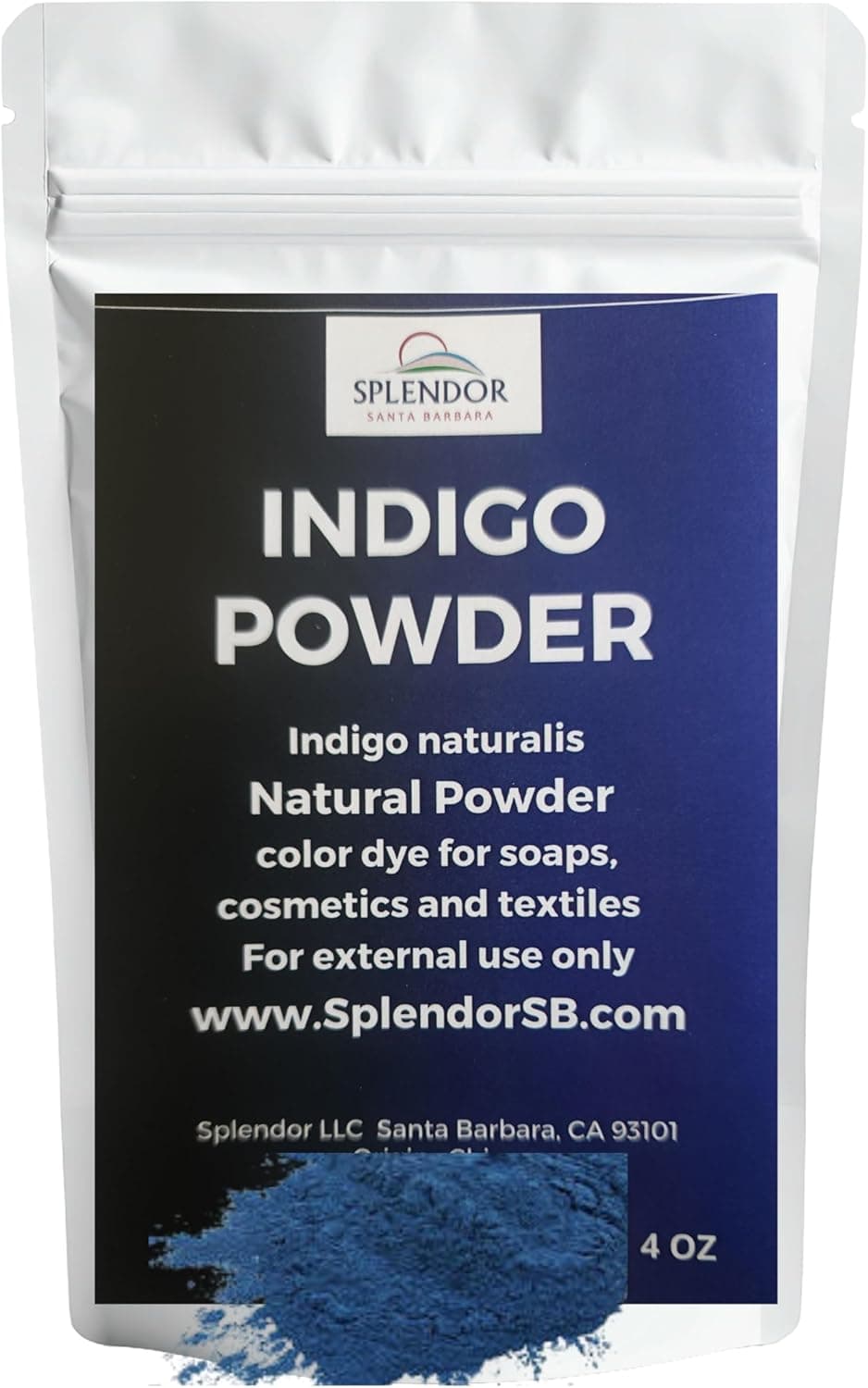
A 4 oz pouch of natural, plant-based, vegan indigo blue powder dye for soapmaking and textiles.
Price range: See on Amazon
What we liked
- + 4 oz of indigo covers many batches of blue or teal soap
- + Plant-based vegan colorant fits natural and clean-label soaps
- + Also usable for textile dyeing, so extra powder is not wasted
Trade-offs
- - Indigo is strong, so tiny amounts are needed to avoid dark bars
- - Can bleed into lather or washcloths if used heavily
Who this indigo powder is for
Indigo powder made from Indigofera tinctoria is aimed at soap makers who want a plant based way to reach blue, teal or grayish purple without a synthetic dye. It fits cold process and melt and pour recipes, and the same jar can double for tie-dye, batik and other natural fiber dyeing projects, which makes the 4 oz size less wasteful if soap is not your only craft. Crafters chasing a clean label or vegan claim on their bars are the main audience, since indigo carries no animal ingredients and no petroleum based pigment. Beginners who have only used micas may need a short adjustment period, because indigo behaves differently in batter than a mica swirl and needs planning rather than last minute mixing at trace.
How the powder behaves in soap
Indigo is a finely ground plant powder rather than a coated mica, so it disperses into oils or a small amount of liquid before it goes into the batch, and it is common to premix it into a slurry to avoid speckling. In melt and pour bases the color tends to read as a deeper blue to purple, while cold process soap often settles into a softer grayish purple because the alkaline environment shifts plant pigments. The 4 oz bag is a strong dose for its size, and because indigo is potent, soap makers typically start with a fraction of a teaspoon per pound of oils and build up rather than guessing at a larger amount, testing in a small batch before committing a full recipe to the color.
Using it day to day and storing it
Like most plant powders, indigo keeps best in a sealed container away from direct light, heat and moisture, which helps it hold color strength over repeated use. A small kitchen scale is worth pairing with it, since indigo is measured by weight in tiny amounts rather than by the spoonful for consistent results batch to batch. Because it is fine and airborne when poured, working over a covered surface and wearing a dust mask during mixing keeps cleanup simple and protects the lungs during larger batches. Reusable jars or resealable pouches extend shelf life better than the original packaging alone once it has been opened and used a few times.
Trade-offs and how it compares
Against other natural options like the multi-powder botanical samplers or a 50 color mica set, a single-pigment indigo powder is narrower in scope. It only delivers blue through purple tones, so soap makers wanting a full rainbow will still need separate colorants, and it will not match the bright, uniform shades that cosmetic grade micas produce. What indigo offers instead is a natural, non mica alternative for buyers who specifically want to avoid synthetic pigments, and its dual use in textile dyeing is a genuine advantage that mica or clay based colorants do not share. Compared with cheaper generic mica dye sets, this jar costs more per gram of usable color, which is the trade-off for a plant derived ingredient.
Verdict and who should look elsewhere
This indigo powder earns its place with soap makers who want a dependable, plant based blue and are willing to measure carefully rather than pour freely. It rewards a bit of patience during the first few batches while you learn how strong a dose your recipe needs, and the leftover powder does not go to waste if you also dye fabric. Buyers who want a wide, ready to use color palette, or who are not comfortable working with a powder that can bleed if overdosed, are better served by a multi-color mica set or a natural colorant sampler that includes indigo alongside other shades in smaller test amounts.
Frequently asked questions
How much indigo powder do I use per pound of soap oils?
Start with a small fraction of a teaspoon per pound of oils and increase gradually in test batches, since indigo is a strong plant dye and a little produces noticeable color.
Will indigo powder stay blue in cold process soap?
It can shift toward a softer grayish purple in cold process soap because of the alkaline batter, while melt and pour bases tend to keep a truer blue to purple tone.
Can this indigo powder be used for anything besides soap?
Yes, the same jar works for natural fiber textile dyeing projects like tie-dye, batik and shibori on cotton, wool or silk with proper mordanting.
Is this indigo powder vegan and free of synthetic ingredients?
The product is described as a plant-based, non-toxic and vegan colorant with no synthetic dye or animal derived ingredients.
Prices change often, so check the current price and availability on Amazon.
Check price on AmazonSoap Making Nest may earn a commission from the link above.