How to Make Soap Bubblier: Better Lather From Your Bars
Published How we research
Lather is one of the first things people notice about a bar of soap, and it is also one of the most common things homemade soap makers want to improve. Big, fluffy bubbles come mostly from the oils in the recipe, the amount of superfat, and how long the bar has cured, although water hardness and how you use the bar also play a part. This article explains which oils tend to boost bubbles, which tend to calm them, and how to adjust a recipe step by step without guessing at lye amounts.
Products from this article
The highest-scoring picks from the buying guides this article links to. Scores are our editorial assessment, not customer ratings.
+ Nature's Oil focuses on oils for soap and cosmetics, so grade is appropriate
From our guide: Best Coconut Oil for Soap Making
+ USP grade castor oil is high purity and suits cosmetic use
From our guide: Best Castor Oil for Soap Making
+ 2 Pack means a sealed spare stays dry until the first tub is used
From our guide: Best Lye for Soap Making
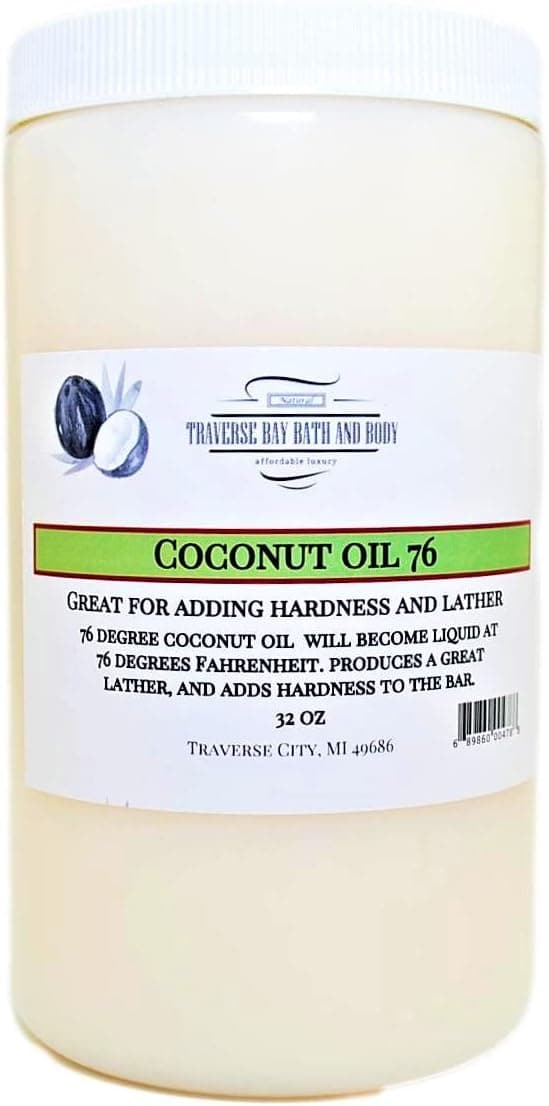
+ Coconut Oil 76 is the standard grade called for in many soap recipes
From our guide: Best Coconut Oil for Soap Making
What lather actually is
Lather is a foam of air trapped in soapy water. Different soap salts form foam in different ways, which is why the oils you choose change the way a bar behaves. Some make big, quick, airy bubbles while others make a small, dense, creamy foam.
Bubbly does not automatically mean better or cleaner. A creamy, low bubble bar can clean perfectly well and feel gentler to some users, so decide what kind of lather you want before you change a recipe.
Oils that boost bubbles
Coconut oil and palm kernel oil are the best known for quick, fluffy lather. Castor oil is often added in small amounts to help stabilize and enrich the foam. Many makers also use sugar or honey in tiny amounts, since these can help the bubbles, though they can also make the batter heat up, so add them with care.
Too much coconut oil can feel drying on skin, so recipes tend to keep it within a moderate share and balance it with conditioning oils. If you are changing the amount, recalculate the lye every time.
Oils that calm bubbles
Olive oil gives a mild bar with a slick, low lather. Shea butter and cocoa butter add creaminess and hardness but do not add many bubbles. A recipe that is heavy in these will usually feel gentle and rich but quiet in the shower.
Neither is wrong. If you love the feel of a butter heavy bar, you can add a little castor oil for lift without turning the recipe upside down.
Superfat and lather
A higher superfat leaves more unreacted oil in the bar, which can reduce lather. Dropping the superfat slightly can help lather, but the bar will feel less conditioning, and you should not lower it so far that the lye margin gets too small.
Change it in small steps, such as a point or two, and test the results. A lye calculator makes the numbers easy, and our superfat article explains the trade off.
The effect of curing
A fresh bar can seem flat or slimy, and the lather improves as the bar cures. As water evaporates and the soap hardens, the bar lasts longer and foams better. Many makers cure for four to six weeks, and some oil heavy bars benefit from more.
If your bar seems disappointing, wait before changing the recipe. Test a bar after a few weeks and compare it to a bar from the same batch a week later.
Water, tools and technique
Hard water reacts with soap and reduces lather, so the same bar may foam well in one house and poorly in another. A washcloth, loofah or mesh bag creates more foam by trapping air as you lather.
Keep the bar dry between uses on a draining dish. A bar that sits in water gets soft and loses lather over time. Keep notes on what you try so you can compare results from one batch to the next.
Additives that can help or hurt
Small amounts of sugar, honey or milk can increase bubbles in some bars, but they also raise the temperature of the batter and can cause overheating or discoloration. Add them gently and keep the batch small while you test. Additions like clay or oatmeal usually reduce lather slightly.
Keep a log of each change. When you tweak more than one thing, it is hard to tell which change made the difference. Keep notes on what you try so you can compare results from one batch to the next.
A step by step adjustment plan
Start with a recipe you like. Raise the coconut oil by a small amount, take it from your softest oil, add a small portion of castor oil, and recalculate lye. Make a small batch and cure it fully before judging.
If the bar is now too drying, pull back a little. If it is still flat, change the next variable. Slow, tracked changes beat big jumps. Lye is caustic. Wear splash goggles, chemical resistant gloves and long sleeves, work in a ventilated space, keep children and pets away, and always add lye to water, never water to lye.
Melt and pour lather
Melt and pour bases vary in how much they foam, and some are formulated for rich lather. Check the product description and choose one that suits your goal. Adding oils to a base can reduce lather.
If you want both lather and moisture, choose a base that is designed for it rather than adding a lot of extra oil. Keep notes on what you try so you can compare results from one batch to the next.
Testing lather fairly
It is easy to fool yourself when judging lather. Water temperature, water hardness, how wet the bar is and how much you rub all change the result. To compare two bars, use the same water, the same amount of rubbing and the same cure age, and note what you see in each case.
Ask a friend to try them without knowing which is which if you want a less biased opinion. Write down comments such as fast bubbles, creamy foam, slick feel or quick fade, since these words describe different qualities and help you decide what to change.
Common reasons a bar lathers poorly
A bar that is very high in olive oil, shea or cocoa butter will be gentle but quiet. A bar with a high superfat will feel oily and lather less. A bar that is too young will feel slimy, and one made in hard water may seem flat in the shower even though it is a good bar.
Rancid oils can also lead to a flat, off smelling bar. Use fresh oils and store them in a cool, dark place. If a bar smells sour or has orange spots, it is better to discard it.
Popular right now
- Best Melt and Pour Soap BaseBuying guide
- Best Shea Butter for Soap MakingBuying guide
- Choosing Fragrance Oils for SoapArticle
- Embedding Objects in SoapArticle
- Best Natural Soap Colorants From Clays and BotanicalsBuying guide
- How to Use a Soap MoldArticle
Based on the last 28 days of search and visitor data.