Coconut Oil 76 Soap Making Supplies, 32 FL oz, DIY Projects Safety Sealed Review (2026)
Updated September 20, 2026 · Research-based review
Our verdict
A 32 fluid ounce, safety sealed tub of Coconut Oil 76, the standard melt-point grade soap makers reach for to add hardness and big bubbly lather to cold process bars. It is a straightforward, no frills supply buy, though the listing gives little brand detail, so makers who want sourcing information should check with the seller directly.
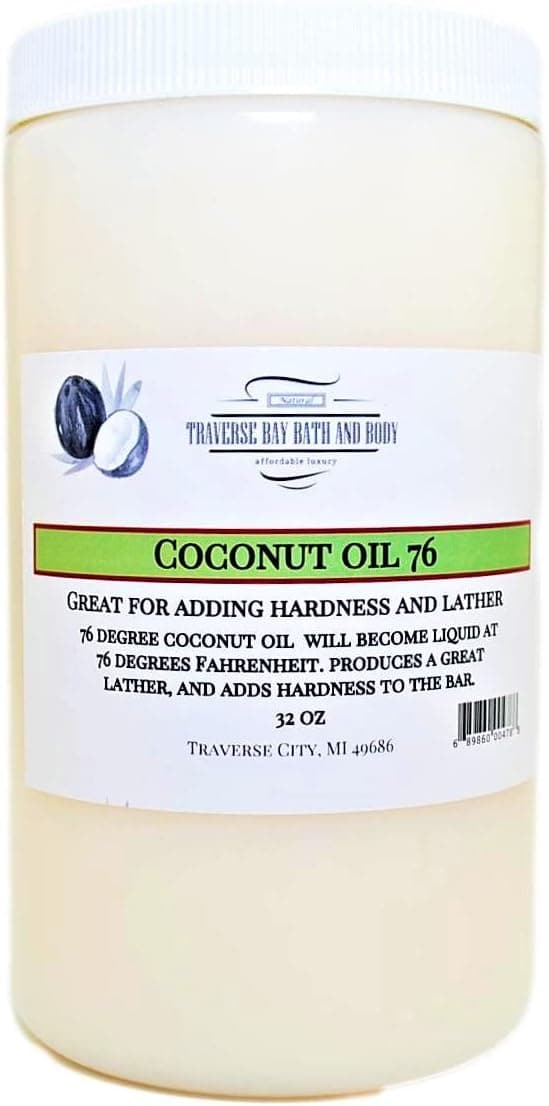
A 32 FL oz safety sealed tub of Coconut Oil 76, the melt-point grade soap makers use for hard, bubbly bars.
Price range: See on Amazon
What we liked
- + Coconut Oil 76 is the standard grade called for in many soap recipes
- + Adds big fluffy lather and hardness to cold process bars
- + Safety sealed container arrives clean and ready for weighing
Trade-offs
- - Generic listing without a brand, so sourcing details are limited
- - Solid at room temperature, so it needs melting before use
What Coconut Oil 76 is
Coconut Oil 76 refers to a grade of coconut oil that stays solid at room temperature and melts around seventy six degrees Fahrenheit, which is the grade most commonly called for in cold process soap recipes rather than the higher melt point ninety two degree grade sometimes used for lotions and balms. This listing packages that same 76 degree grade in a 32 fluid ounce container described as safety sealed for DIY projects, so it arrives ready to weigh out for a batch without extra prep beyond melting it down if it has solidified during shipping or storage. Buyers should plan to let the block warm at room temperature or in a double boiler rather than trying to scoop it straight from a cold shipping box.
Why soap makers use this grade
In a cold process recipe, coconut oil is prized for producing a hard, long lasting bar with a big, fluffy lather that other common soap oils cannot match on their own, which is why many recipes include it at a moderate percentage alongside softer oils. The 76 degree melt point makes it easy to work with at typical soap-making temperatures, since it melts down quickly in a double boiler or microwave and blends smoothly with other liquid oils before lye is added. It is also a frequent choice for liquid soap and shaving soap bases for the same lather and cleansing properties. It also shows up in shaving soap and liquid soap formulas for the same reliable lathering boost, alongside its common role in bar soap recipes.
Packaging and what to expect on arrival
The 32 fluid ounce size sits in the middle range for hobby and small batch use, large enough to cover several batches of soap without needing to reorder right away, but far short of the gallon and multi gallon sizes sold to production soap makers. Being safety sealed means the container should arrive with an intact seal under the lid, which is worth checking on delivery since coconut oil can leak if a seal fails in transit. Because the oil solidifies below its melt point, it will most likely arrive as a solid white block that needs gentle warming before it pours or measures easily. Keeping the lid tightly resealed between uses also helps slow oxidation, which can gradually affect the oil's scent and color over long term storage.
What the listing does not tell you
This is a generic, no frills listing, and it does not specify a brand name, country of origin, or whether the oil is refined, RBD, or virgin coconut oil, details that some soap makers care about for scent and clarity in the finished bar. Refined coconut oil is typically odorless and works well when a maker wants the fragrance oil or essential oil blend to come through cleanly, but buyers who want that confirmed in writing may want to message the seller before purchasing a large quantity for a batch they cannot easily redo. Checking the listing's questions and answers section or messaging the seller before ordering is a reasonable step for anyone who has a strong preference on refinement.
Bottom line
For a maker who already knows they want 76 degree coconut oil and just needs a mid-size, sealed supply of it, this listing delivers the basic ingredient at a reasonable size for regular hobby batches. It suits recipes calling for coconut oil as a lathering, hardening component rather than as a headline scent or feature ingredient, since there is little branding or backstory attached to the product itself. Buyers who want detailed sourcing or refinement information for a bar marketed on ingredient transparency should look for a named brand with a fuller product description instead. Overall it functions as an unbranded but usable source of a widely used soap-making ingredient, best suited to makers who prioritize function over packaging or brand story.
Frequently asked questions
What does the 76 in Coconut Oil 76 mean?
It refers to the oil's melt point, around seventy six degrees Fahrenheit, which is the grade most cold process soap recipes call for.
Will this oil arrive solid or liquid?
Since it solidifies below its melt point, it will most likely arrive as a solid block that needs gentle warming before use.
Is this oil refined or virgin coconut oil?
The listing does not specify, so buyers who need that detail for scent or clarity reasons should confirm with the seller before ordering.
Is 32 fluid ounces enough for regular soap making?
It covers several batches for hobby and small scale use, though production soap makers typically buy larger gallon or multi gallon sizes.
Prices change often, so check the current price and availability on Amazon.
Check price on AmazonSoap Making Nest may earn a commission from the link above.