Nature's Oil Coconut 76 Degree, Naturally Refined, 7lbs (1 Gallon) Review (2026)
Updated September 14, 2026 · Research-based review
Our verdict
A dependable bulk coconut oil for cold process soap makers who want reliable lather and hardness without the added scent of unrefined coconut. The 7 lb gallon container suits anyone soaping regularly, though it needs gentle warming before pouring and works best kept to a moderate share of any recipe.
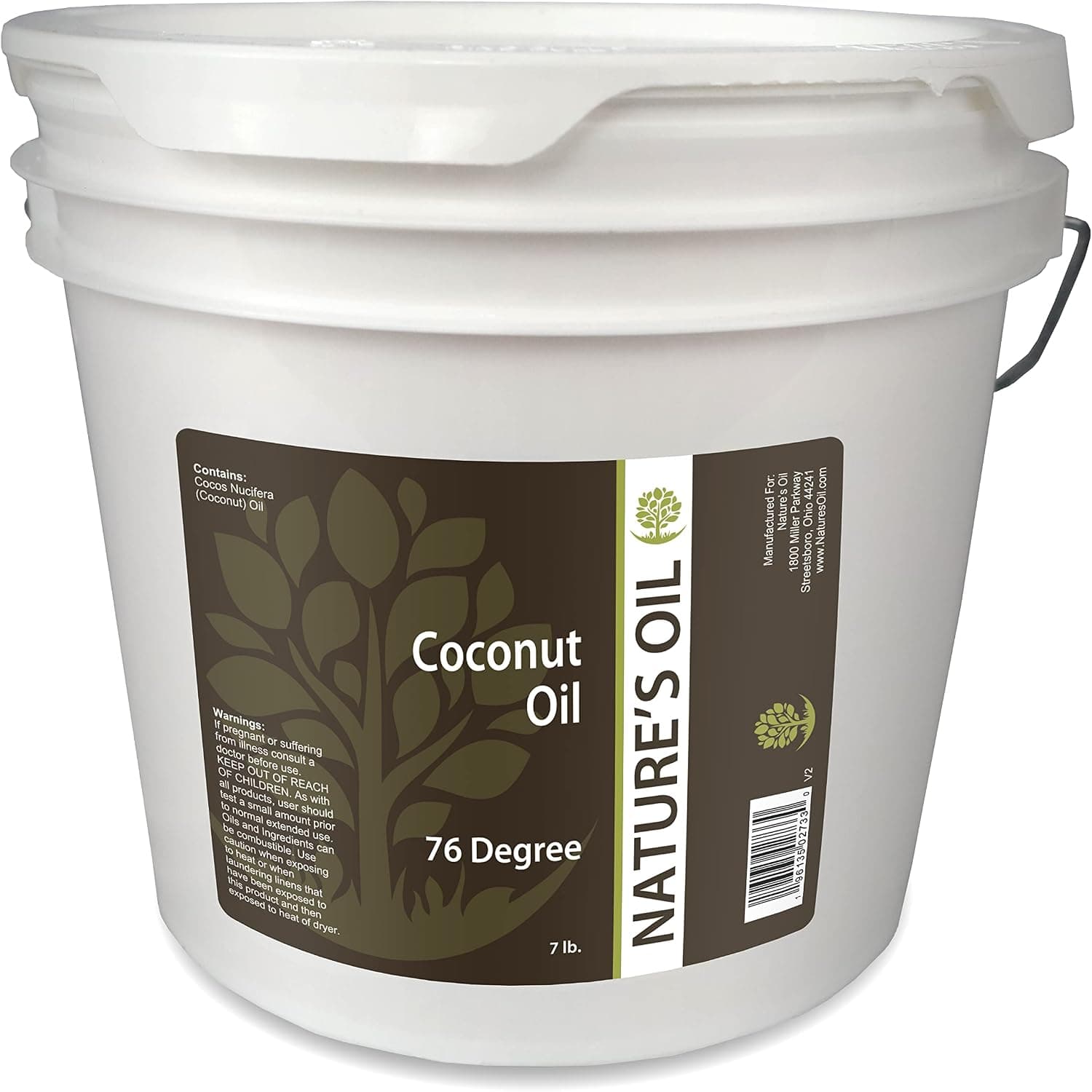
Nature's Oil naturally refined Coconut 76 Degree, 7lbs in a 1 Gallon container, from a soap-oriented oil supplier.
Price range: $ (Budget)
What we liked
- + Nature's Oil focuses on oils for soap and cosmetics, so grade is appropriate
- + Naturally refined coconut has little scent to compete with fragrances
- + 7lbs supply lasts through many batches of hard, lathering bars
Trade-offs
- - Refined oil lacks the light coconut aroma some makers enjoy
- - Gallon container is bulky and needs gentle warming to dispense
Who this coconut oil suits
Nature's Oil positions itself around oils for soap, cosmetics and personal care rather than as a general grocery brand, so this Coconut 76 Degree oil is sized and refined with soap making in mind. The 7 lb, roughly 1 gallon container suits a soap maker running regular batches rather than someone making a single occasional bar, since it is a real commitment of both cost and storage space. Because the oil is naturally refined and essentially odorless, it also suits makers who want the coconut oil's cleansing and lathering properties in a recipe without the oil's natural scent competing against added fragrance or essential oils. Commercial-leaning hobbyists and small soap businesses are the clearest fit.
What 76 degree refined coconut oil actually is
The name refers to the oil's melting point, meaning it stays solid below about 76 degrees Fahrenheit and turns to a light liquid above that temperature, which is standard for coconut oil used in soap and body care rather than a special formulation. This is a refined, bleached and deodorized oil, expeller pressed and processed to remove the typical coconut smell, leaving a clean, largely odorless product with a whitish color. The high concentration of lauric acid gives coconut oil its reputation for rich, bubbly lather in both cold and hot process soap, and most soap makers keep coconut oil to somewhere around 10 to 30 percent of a recipe, since too much can leave bars feeling drying on skin. Refined oil also tends to have a longer shelf life against rancidity than less processed alternatives.
Living with a gallon container
A 7 lb gallon jug is bulky to store and pour, so most soap makers keep it in a cool pantry or workshop shelf and warm the whole container gently, such as in a hot water bath or a warm room, before measuring out oil for a batch, since the oil is solid at room temperature below its melting point. Because the container is large, decanting smaller working amounts into a secondary jar can make weighing oil for individual batches faster and reduces how often you handle the full gallon. Refined coconut oil like this is resistant to rancidity thanks to its saturated fat content, so a gallon bought for regular soaping should hold up well over many months of storage in a cool, dry spot away from direct sunlight.
Trade-offs and how it compares
Against the Coconut Oil 76 Degree 1 Gallon sold under a plain listing, this Nature's Oil version leans on the brand's specific focus on soap and cosmetic ingredients, which some makers value as reassurance about grade and consistency. Compared with a smaller 32 fl oz coconut oil option, the gallon size here offers a meaningfully lower cost per ounce for anyone soaping on a regular schedule, but ties up more money and shelf space up front, which is wasted value for an occasional hobbyist. Against organic coconut oil alternatives, this refined version trades a touch of natural character for a neutral scent profile and typically a lower price point, which suits makers layering in their own fragrance rather than wanting coconut's natural aroma to come through in the finished bar.
Verdict and who should pick something else
For a soap maker running regular batches who wants dependable lather, bar hardness and a neutral scent base, this 7 lb refined coconut oil is a solid working ingredient and our score of 8.9/10 reflects that reliability. Someone who wants the natural coconut aroma to show through in a finished bar should look at an unrefined or virgin coconut oil instead, since refining strips that characteristic smell. Occasional hobbyists making only a bar or two a month will likely find a smaller 32 fl oz size a better match for their pace, since a full gallon will sit in storage for a very long time before it is used up.
Frequently asked questions
Why is it called 76 degree coconut oil?
The number refers to its melting point, meaning the oil stays solid below about 76 degrees Fahrenheit and melts to a liquid above that temperature, which is standard for coconut oil used in soap making.
How much coconut oil should go in a cold process soap recipe?
Most soap makers keep coconut oil to roughly 10 to 30 percent of a recipe, since a higher percentage can leave finished bars feeling more drying on skin.
Does refined coconut oil smell like coconut?
No, the refining process removes the natural coconut aroma, leaving a largely odorless oil that does not compete with added fragrance or essential oils.
How should a gallon of coconut oil be stored?
Keep it in a cool, dry place away from direct sunlight; it is solid at room temperature and needs gentle warming, such as a hot water bath, before you pour and measure it.
Prices change often, so check the current price and availability on Amazon.
Check price on AmazonSoap Making Nest may earn a commission from the link above.