Titanium Dioxide, Cosmetic Grade, Soap Making, Crafts, Paints and Pigment Colorant, Resealable Pouch, PTR-630 16 oz Review (2026)
Updated September 14, 2026 · Research-based review
Our verdict
This 16 oz pouch of cosmetic grade titanium dioxide, sold under the PTR-630 designation, suits soap makers who whiten or lighten batches often. It disperses cleanly in oil for streak-free white and pastel bars, and the main trade-off is that occasional hobbyists will have powder left over for a long time.
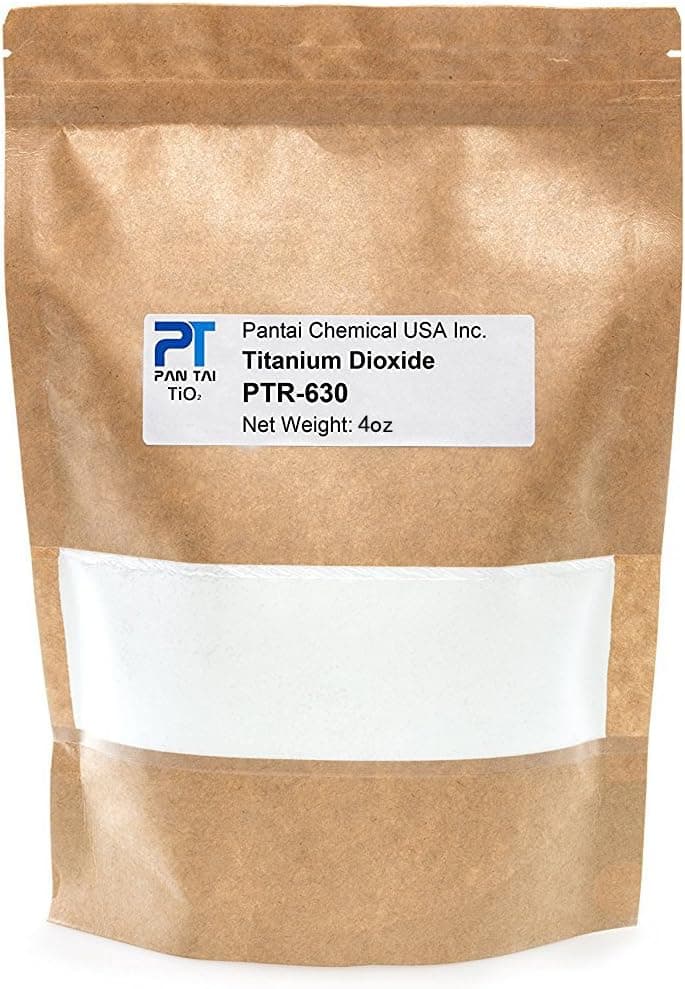
Cosmetic grade PTR-630 titanium dioxide in a 16 oz resealable pouch, the larger size for frequent soap makers.
Price range: See on Amazon
What we liked
- + 16 oz supply lasts through many white or pastel soap batches
- + Cosmetic grade PTR-630 is suited to soap and skin products
- + Better value per ounce than the smaller pouch of the same grade
Trade-offs
- - Large pouch of fine powder can make a mess when scooping
- - More TiO2 than casual makers need in a reasonable time
Who this titanium dioxide pouch fits
Titanium dioxide is the pigment most cold process and melt and pour soap makers reach for when a recipe calls for bright white or a clean pastel base, since natural oils rarely bleach out to true white on their own. This listing is the 16 oz size of a cosmetic grade titanium dioxide sold under the PTR-630 designation, which puts it toward the larger end of what home soap makers typically buy. It makes the most sense for someone running a regular production schedule, selling at markets, or teaching classes, where the same white or pastel base shows up batch after batch. A hobbyist who makes soap only a few times a year will likely get more practical value from a smaller pouch in the same product line, since a large bag of fine powder can sit for a long stretch between uses.
What cosmetic grade and PTR-630 mean here
The PTR-630 designation signals a reagent grade, cosmetic use titanium dioxide, distinct from the technical or industrial grades sold mainly for paints and general crafts. In practice that means a finer, more consistent brilliant white powder formulated to disperse in both oil and water without leaving gritty streaks through a bar, which is the main complaint makers have with lower grade powders. The listing describes the powder as non-toxic and suited to a wide range of do-it-yourself skin and body projects beyond soap, including lotions and bath products. It ships in a resealable pouch rather than a rigid jar, which keeps air and moisture out between uses but gives less structure than a screw-top container once the bag is more than half empty and starts to flop over on the shelf.
Working with it day to day
Titanium dioxide does not dissolve, so the standard method is to premix it into a small amount of the recipe's base oil or with a bit of glycerin, then blend that slurry until smooth before folding it into the main batch. Skipping this step is the most common reason soap makers see white specks or streaks in a finished bar. Because the powder is very fine, scooping straight from a large 16 oz pouch tends to send a puff of dust into the air, so many makers work over a tray, wear a simple dust mask, or transfer smaller amounts into a shaker jar for daily use. The resealable pouch closes well for occasional dipping, but frequent scooping from a nearly full 16 oz bag is where the mess described in owner feedback is most noticeable.
How it compares with other titanium dioxide options
Against the 8 oz pouch of the same PTR-630 line, this 16 oz size mainly wins on cost per ounce for anyone who will use it up within a year or two, since titanium dioxide keeps well when sealed and stored away from moisture. A rival option, a 1 lb pure titanium dioxide powder marketed for soap, resin and lotion work, covers similar ground at a similar size, so the choice often comes down to whether a maker already trusts the PTR-630 grade or prefers a differently labeled pure powder. At the far end, a 5 lb pouch of a related PTR-620 style powder suits commercial scale producers, while a household doing occasional pastel bars is usually better served starting with a smaller pouch than committing straight to 16 oz.
Verdict
This 16 oz pouch earns its place with soap makers who whiten or tint batches often enough to use up a larger supply before it goes stale, and it does the core job, clean dispersion and reliable brightening, in line with what a cosmetic grade titanium dioxide should deliver. The trade-off is entirely about volume and handling: a fine powder in this quantity needs a dust mask and a steady hand when scooping, and buyers who only make a few bars a season will end up storing most of it unused for a while. Anyone starting out with pastel or white soap for the first time should try a smaller pouch from the same line before committing to this larger size and the storage space it needs.
Frequently asked questions
How much titanium dioxide should I use per pound of soap?
Most cold process recipes use roughly half a teaspoon to one teaspoon of titanium dioxide per pound of oils, premixed into a bit of oil first. Check your specific recipe or supplier guidance since usage rates vary by formulation.
Can this titanium dioxide be used in melt and pour soap as well as cold process?
Yes, cosmetic grade titanium dioxide like this PTR-630 powder is commonly used in both cold process and melt and pour bases to whiten or lighten the finished bar.
Why does my soap have white specks instead of an even white color?
White specks usually mean the titanium dioxide was added dry or was not fully dispersed in oil before it went into the batter. Premixing and blending the powder into a smooth slurry first solves this.
Is this powder safe to inhale while measuring?
Follow the manufacturer's handling guidance and avoid breathing in the fine powder. Many makers wear a simple dust mask and measure over a tray to limit airborne dust.
Prices change often, so check the current price and availability on Amazon.
Check price on AmazonSoap Making Nest may earn a commission from the link above.