The Boyer Corporation Lye for Soap Making, Sodium Hydroxide Food Grade, 2.2 lbs Review (2026)
Updated September 14, 2026 · Research-based review
Our verdict
A solid pick for cold process soap makers who want a well-known, food grade lye in a manageable 2.2 lb size. It measures and dissolves predictably, but you still need full safety gear, an accurate scale and a well ventilated space every time you mix a batch.
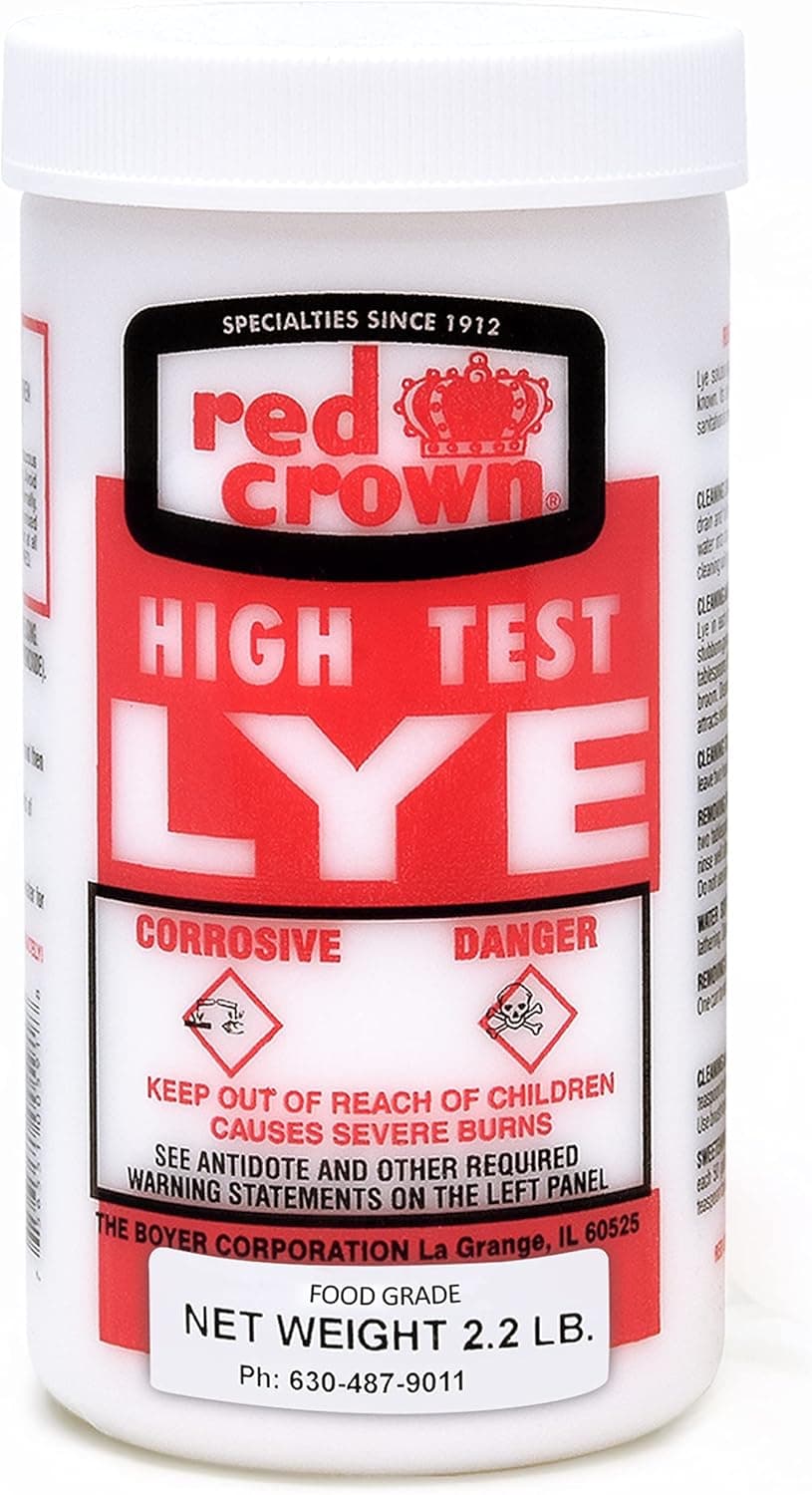
The Boyer Corporation 2.2 lbs food grade sodium hydroxide, a trusted lye for home cold process soap makers.
Price range: See on Amazon
What we liked
- + Boyer lye is a long-established name among cold process soap makers
- + Food grade purity helps saponification behave as recipes predict
- + 2.2 lbs is enough for plenty of batches from a single container
Trade-offs
- - Lye absorbs moisture from air, so reseal the container right after use
- - Needs full safety gear and a careful routine every single time
Who this lye suits
This is a straightforward sodium hydroxide product aimed at home cold process soap makers who want a dependable, food grade lye without buying an oversized industrial bag. The Boyer Corporation has sold lye for years, and the 2.2 lb container is sized for hobbyists and small-batch makers rather than commercial operations. Because the product is marketed for both soap making and household drain clearing, first-time buyers should confirm they are getting the same food grade purity used in the soap making community, since saponification depends on knowing the concentration you are working with. Anyone following a published cold process recipe and a lye calculator will find this a workable base, provided they treat every batch with the same caution regardless of how many times they have made soap before.
What is actually inside the container
The product ships as sodium hydroxide beads in a resealable, child-resistant plastic container holding 2.2 lbs. Small beads pour more evenly than flakes or prills, which helps when weighing out exact amounts on a scale for a recipe. Food grade sodium hydroxide is manufactured to a purity standard that keeps saponification behaving the way lye calculators predict, which matters more for consistency than for any edible use, since no soap maker is consuming the lye itself. The container size is enough for a number of standard loaf batches, so it suits someone making soap regularly but not yet buying lye by the case. Always check the container date and lot when it arrives, since lye is a commodity chemical and freshness affects how confidently you can trust a recipe's numbers.
Living with it day to day
Sodium hydroxide is hygroscopic, meaning it pulls moisture from the air the moment the lid comes off, so the biggest daily habit to build is resealing the container immediately after each use and storing it somewhere dry and out of reach of children and pets. Weigh lye into a heatproof container using a digital scale, then add it slowly to your measured liquid, never the reverse, and always work in a ventilated area away from your face. Full safety gear, meaning gloves and eye protection at minimum, is non-negotiable every single session, not just for beginners. Owners who soap regularly tend to keep the container in a labeled bin separate from kitchen supplies, since a food grade label does not make lye safe to handle casually around food prep areas.
Trade-offs and how it compares
Compared with The Boyer Lye 2 Pack at 2.2 lbs each, buying the single container costs more per pound but suits someone unsure how often they will soap or who wants to try the brand before committing to a larger order. Against Miilex Food Grade Lye at 2 lbs, the Boyer container is slightly larger for a similar use case, while both are positioned as kosher or food grade options for the same cold process audience. The main trade-off with any lye this size is that a dedicated soap maker will burn through it faster than a bulk 40 lb industrial bag, meaning more frequent reordering, though the smaller size is easier to store safely and use up before the container is opened too many times and absorbs excess moisture.
Verdict and who should look elsewhere
For a hobbyist or small-batch soap maker who wants a trusted name, food grade purity and a container sized to be used up in reasonable time, this lye does the basic job well and our score of 8.9/10 reflects that reliability. Soap makers running a larger production schedule will want to compare cost per pound against bulk industrial sodium hydroxide instead, since buying in 2.2 lb increments adds up quickly at volume. Anyone new to cold process soap should pair this purchase with a proper lye calculator, full protective gear and a dedicated workspace, since the product itself is only as safe as the routine built around it.
Frequently asked questions
Is this lye safe to use for cold process soap making?
Yes, it is sold as food grade sodium hydroxide suited to cold process soap, but always run your recipe through a lye calculator and wear gloves and eye protection when mixing it.
Why does the container need to be resealed right away?
Sodium hydroxide absorbs moisture from the air, so leaving the lid off even briefly can affect the beads and make future measurements less accurate.
Can this lye also be used to clear a drain?
The listing markets it for both soap making and drain clearing, but check the manufacturer's instructions for household use since the handling precautions differ from soap recipes.
How does the 2.2 lb size compare to buying a 2 pack?
The 2 pack offers more lye per dollar for regular soap makers, while the single 2.2 lb container suits someone testing the brand or making smaller, less frequent batches.
Prices change often, so check the current price and availability on Amazon.
Check price on AmazonSoap Making Nest may earn a commission from the link above.