Anthony's Premium Goat Milk Powder, 1 lb, Gluten Free, Non GMO, No Additives Review (2026)
Updated September 14, 2026 · Research-based review
Our verdict
A single-ingredient goat milk powder with no fillers, gluten free and non-GMO, that lets a soap maker add real milk to a batch without handling perishable liquid milk. The 1 pound bag is a practical hobby size for several milk soap batches, though it costs more than powders sold specifically for soap supply use.
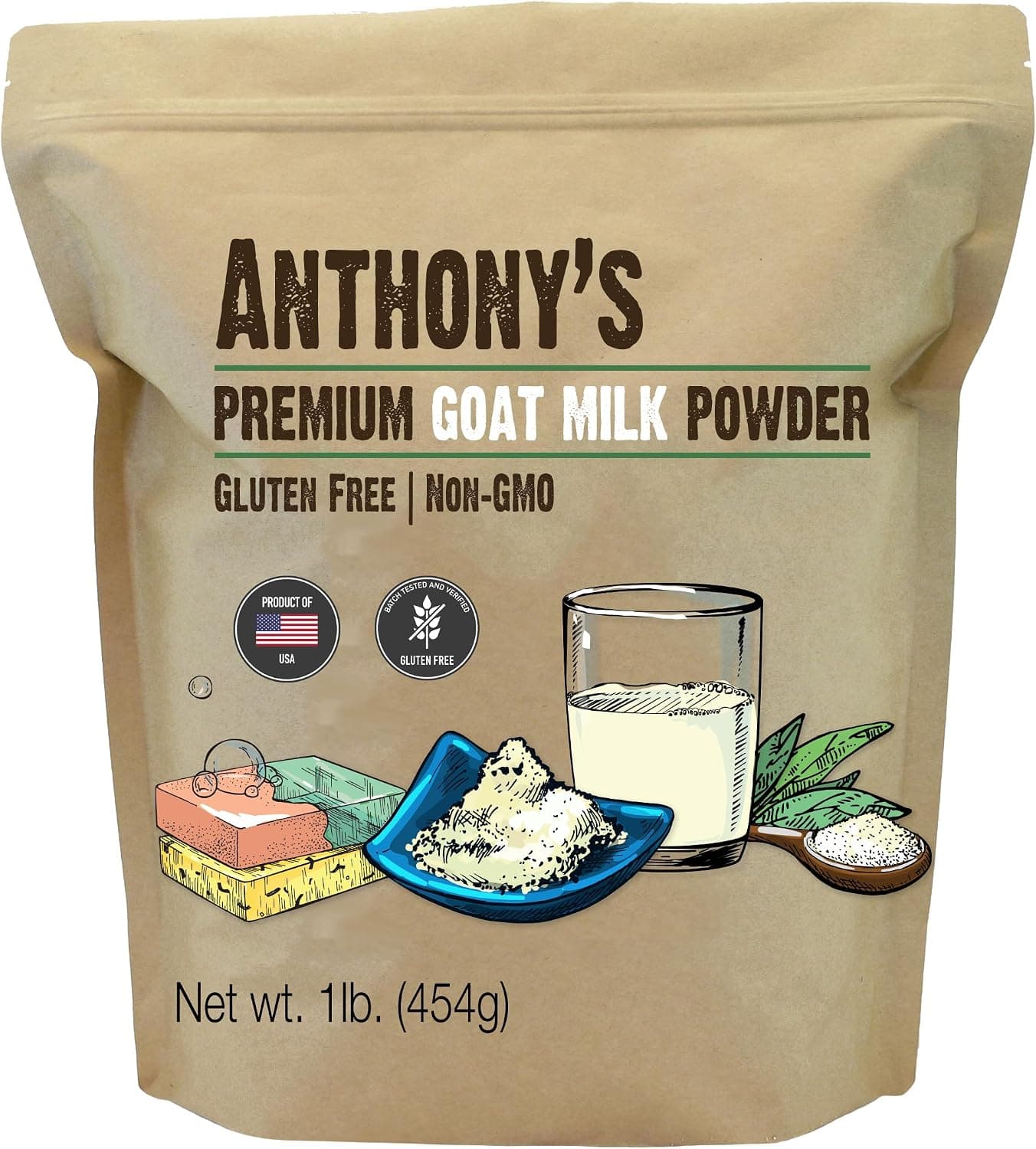
Anthony's Premium goat milk powder, 1 lb, gluten free, non GMO and with no additives, for milk soap.
Price range: See on Amazon
What we liked
- + No additives means pure goat milk in your soap recipe
- + 1 lb is a practical hobby amount for several milk batches
- + Anthony's is a known brand for bulk baking ingredients
Trade-offs
- - Food product pricing is higher than bulk soap-supply powder
- - Milk sugars can scorch soap if lye temperature runs high
Who should reach for this powder
This goat milk powder suits a soap maker who wants milk soap's creamy lather and mild reputation without freezing liquid goat milk into cubes or timing a batch around a fresh delivery. Because the manufacturer states it is 100 percent full cream goat milk with no fillers, free-flowing agents, or other additives, it also fits someone who wants to know exactly what is going into a lye solution before mixing. The 1 pound size is a practical hobby quantity, enough for several small to medium milk soap batches rather than a single large commercial run. Shoppers focused purely on cost per batch may prefer a powder marketed directly for soap supply use, since this one is sold and priced as a food product.
What is actually in the bag
The listing and the maker's own product page describe the contents as whole, full cream goat milk powder with nothing else added, batch tested and verified gluten free, and labeled non-GMO. There is no soap-specific additive package here, just dried milk, which means all of the formulation choices, like how much powder to use per pound of oils, are left to the soap maker's own recipe or soap calculator. As a food product, the bag also carries a Prop 65 warning noting possible exposure to trace lead, cadmium, or arsenic, a disclosure that is common on many powdered foods sold in California and not unique to this brand. Shelf life benefits from the powder form, since it stores at room temperature without the refrigeration liquid milk needs.
Working it into a cold process batch
Soap makers typically substitute goat milk powder for part of the water in a lye solution, or stir it into the oils separately, to avoid the scorching and strong odor that can happen when lye contacts milk sugars directly at high heat. Keeping the lye solution cold, freezing part of the liquid, or adding the milk powder after the lye is dissolved are common ways recipes work around that risk, and none of those steps are specific to this brand of powder. Because this product has no soap-specific dosing guidance printed on it, a maker needs to follow a tested milk soap recipe or calculator rather than guessing at a ratio. The reconstitution instructions on the maker's own page, intended for drinking or cooking use, do not apply directly to soap formulas.
How it compares with soap-supply milk powders
Against goat milk powders sold specifically to the soap and cosmetic trade, such as bulk options packaged in larger multi-pound bags for supply houses, this Anthony's product is priced and packaged as a food item first. That typically means a higher cost per ounce than a bag marketed purely for soap making, but it also means the ingredient statement, gluten free testing, and non-GMO labeling are backed by a food brand's quality standards rather than a generic supply listing. For a maker who wants a trusted, widely available brand in a manageable 1 pound size, that trade-off is often worth it; for a high-volume seller buying milk powder by the case, a bulk soap-supply source will usually cost less per batch.
Verdict and who might look elsewhere
For a soap maker who wants a clean, single-ingredient goat milk powder from a recognizable food brand, this 1 pound bag delivers exactly that, with gluten free and non-GMO claims and no fillers to work around. The main trade-off is price relative to bulk soap-supply powders, since this is sold as a food product rather than a craft ingredient, and the bag includes no soap-specific dosing instructions. Hobbyists and small-batch sellers making a handful of milk soap batches at a time are the best fit. Anyone making milk soap at commercial volume should compare the per-ounce cost against a bulk soap-supply goat milk powder before buying repeatedly in the 1 pound size.
Frequently asked questions
Does this powder contain any fillers or additives?
The manufacturer describes it as 100 percent full cream goat milk with no fillers, free-flowing agents, or other additives.
Is this powder certified gluten free and non-GMO?
The maker states the product is batch tested and verified gluten free and is labeled non-GMO.
Can this powder scorch or discolor cold process soap?
Milk sugars in any goat milk powder can scorch or turn brown if the lye solution gets too hot, so soap makers typically keep the milk mixture cold or add it after the lye has cooled, following a tested milk soap recipe.
Is this the cheapest option for soap making?
Not necessarily. It is sold and priced as a food product, so a bulk powder marketed specifically for soap supply may cost less per ounce for high-volume use.
Prices change often, so check the current price and availability on Amazon.
Check price on AmazonSoap Making Nest may earn a commission from the link above.