Pifito Oxide Pigment Colorants Sampler - 8 Colors for Soap Making Supplies (.25 oz ea) - Red, Blue, Yellow, Pink, Green, Brown, Black, Violet Review (2026)
Updated September 20, 2026 · Research-based review
Our verdict
An 8 color oxide sampler from a dedicated soap supply brand, giving cold process makers a stable matte palette without the bleeding some dyes cause. Coverage per color is modest, so expect to reorder full size jars of any shade that becomes a regular in your recipes.
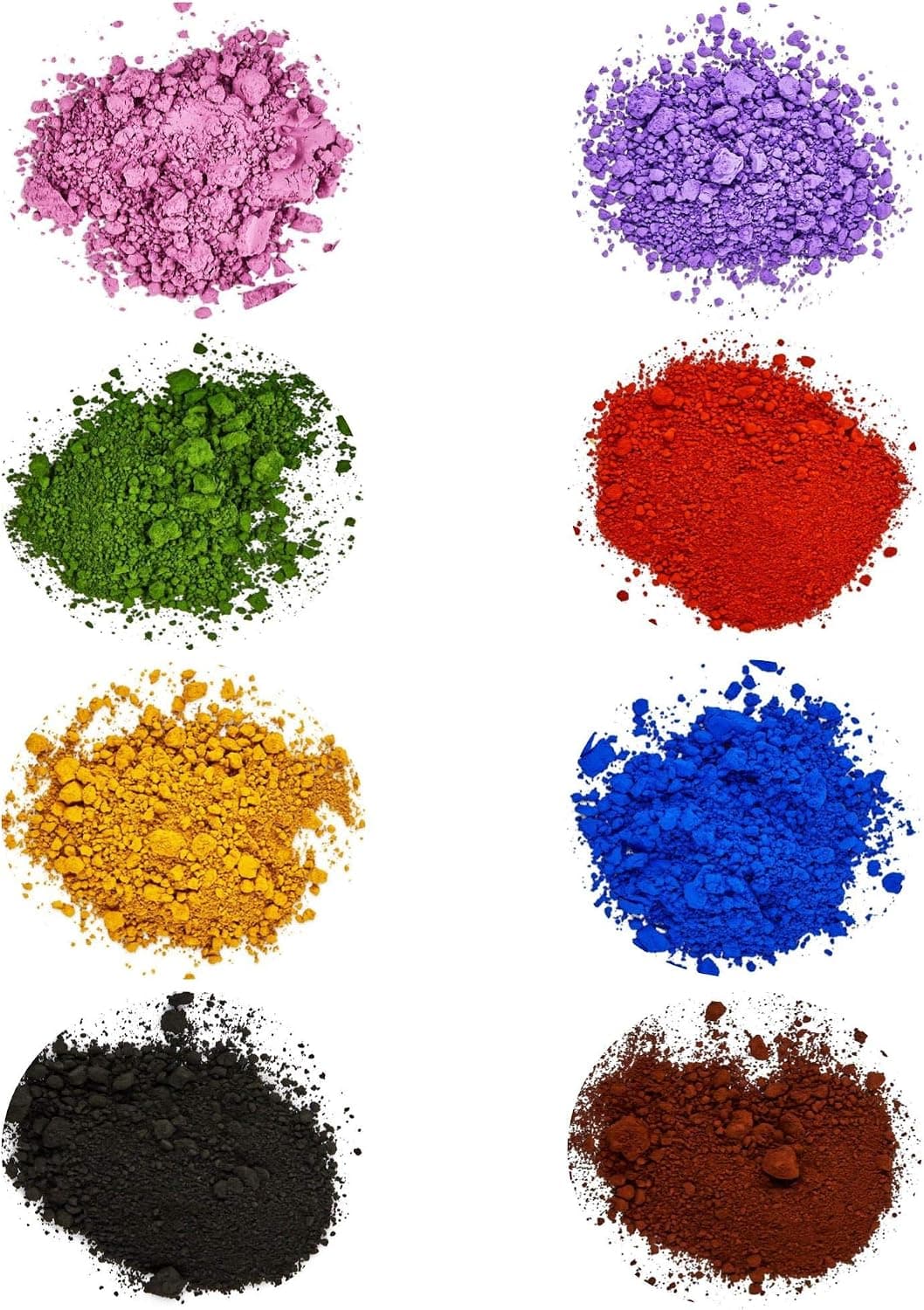
Pifito oxide pigment sampler with 8 colors, .25 oz each, in red, blue, yellow, pink, green, brown, black and violet.
Price range: See on Amazon
What we liked
- + 8 oxide colors cover a full basic palette for cold process soap
- + Oxides stay stable in high pH soap, unlike many dyes
- + Sampler size lets you test each color before buying more
Trade-offs
- - Small amounts per color run out after a few batches
- - Oxides give matte, earthy tones rather than shimmer
What is included
This sampler from Pifito includes eight oxide pigment colors, each in a 0.25 oz portion, covering red, blue, yellow, pink, green, brown, black, and violet, according to the manufacturer's own product listing. The pigments are described by Pifito as cosmetic grade and made from iron oxide, chromium oxide, and ultramarine, filtered to remove impurities before packaging. Because oxides and ultramarines are mineral based colorants rather than synthetic dyes, they are a common choice among cold process soap makers specifically because they tend to hold their color through the soap's saponification process rather than fading or shifting unpredictably.
Why oxides work well in soap
Cold process soap batter passes through a high pH environment during saponification, and many synthetic dyes are not formulated to survive that chemistry without bleeding, fading, or migrating into surrounding colors in a swirl design. Oxide and ultramarine pigments are mineral based and are widely used across the soap making community specifically because they are considered non-bleeding and stable through the cure process, which the manufacturer also states for this product. The trade off is aesthetic rather than technical, since oxides produce solid, earthy, matte tones rather than the bright or shimmery finishes achievable with mica powders or synthetic colorants, so makers wanting metallic or neon effects will need a different colorant type alongside this set.
How far the sampler goes
According to Pifito, each 0.25 oz pouch in this sampler can color roughly 10 to 15 lbs of melt and pour glycerin soap base, or about 2 to 3 lbs of cold process soap batter. That means melt and pour makers doing smaller craft batches will get meaningful mileage from each color, while cold process makers working in the 2 to 3 lb range per batch may find a favorite color runs out after just one or two full batches. Because the amounts differ so much by method, it is worth planning which colors you expect to use most heavily and buying a larger single jar of those from Pifito's full size line once the sampler confirms which shades work for your recipes.
Mixing and dispersing oxides
Oxide pigments are typically most effective when premixed into a small amount of oil before being blended into soap batter, which helps break up any clumps and gives a more even color distribution than adding the dry powder directly to trace. This sampler's small pouches are convenient for that kind of test mixing since you are not committing a large jar to a single experimental blend. Because the colors are matte and earthy by nature, layering two oxides or combining an oxide with a small amount of titanium dioxide can help makers dial in a specific shade without needing to buy additional specialty colorants right away.
Bottom line
This sampler is a sensible way for a cold process or melt and pour soap maker to build a working color palette without committing to eight full jars up front, especially since the oxide and ultramarine base is one of the more dependable colorant choices for high pH soap batter. The main limitation is quantity, since cold process batches will use up a favorite color faster than melt and pour work, so this is best treated as a way to identify go to shades before restocking in bulk. For makers who want warm, natural looking tones rather than bright synthetic colors, this is a solid starting palette.
Frequently asked questions
Will these oxide colors bleed or fade in cold process soap
The manufacturer describes the pigments as non-bleeding oxides and ultramarines, a colorant type generally considered stable through the high pH saponification process, though exact performance can vary by recipe.
How much soap can one color from this sampler make
Pifito states each 0.25 oz pouch colors roughly 10 to 15 lbs of melt and pour soap base or about 2 to 3 lbs of cold process soap.
Are these pigments cosmetic grade and skin safe
The manufacturer describes the colorants as cosmetic grade, skin safe, and non-toxic, filtered to remove impurities.
Can I get shimmer or metallic effects with this set
No, oxide and ultramarine pigments produce matte, solid tones, so a mica powder or other shimmer colorant would be needed for metallic effects.
Prices change often, so check the current price and availability on Amazon.
Check price on AmazonSoap Making Nest may earn a commission from the link above.