PLANTORIGIN Shea Butter 1 lb - Raw USDA Certified Organic African Unrefined Soap Making Base Review (2026)
Updated September 14, 2026 · Research-based review
Our verdict
This 1 lb bag of raw, unrefined, USDA certified organic African shea butter suits soap makers who want an organic labeled fat for a handful of cold process batches. It keeps more of shea's natural character than a refined version, but its nutty raw scent can compete with lighter fragrance oils and it may need gentle melting to smooth out.
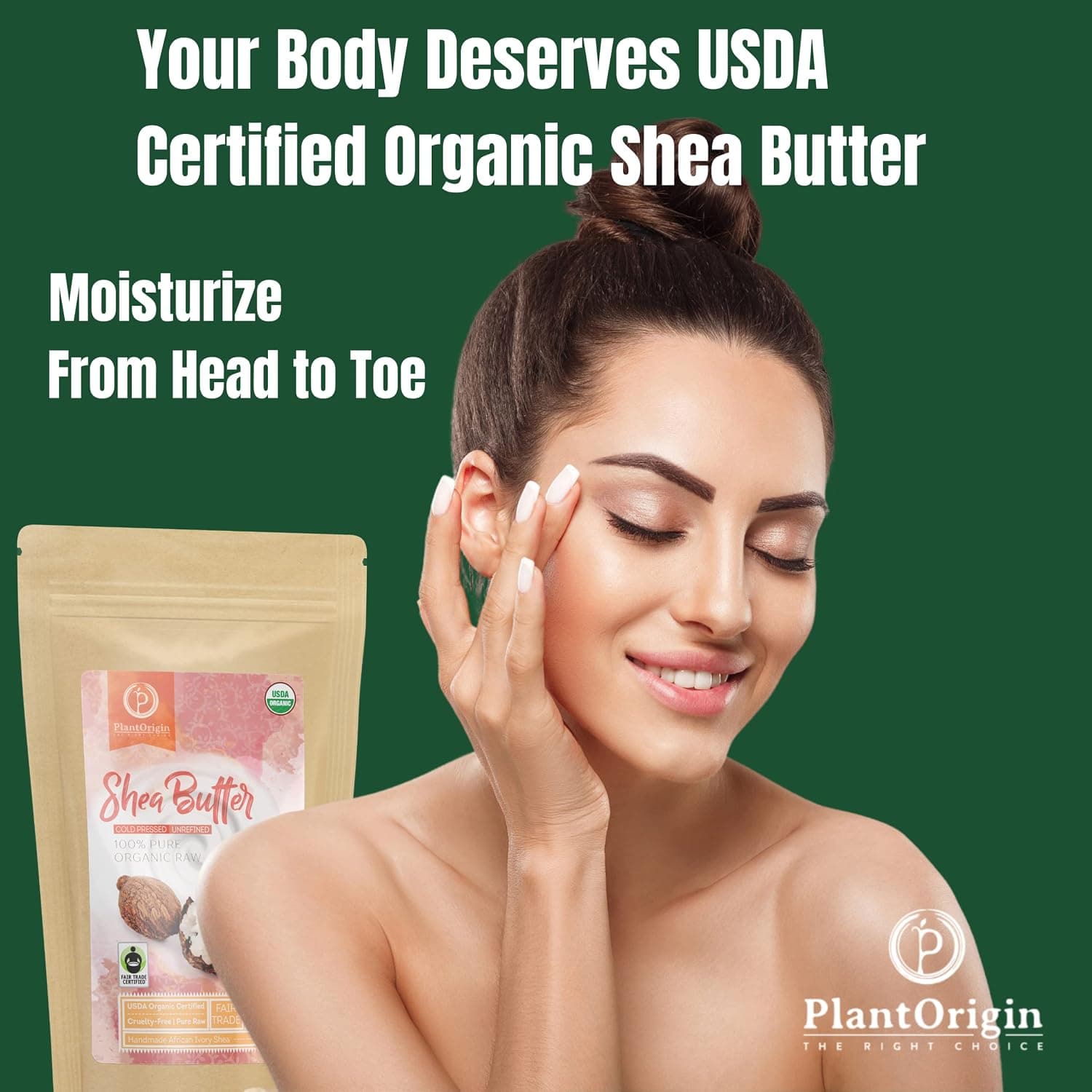
PLANTORIGIN 1 lb raw USDA certified organic unrefined African shea butter, for natural cold process soap recipes.
Price range: See on Amazon
What we liked
- + USDA certified organic status supports natural soap label claims
- + Unrefined raw shea keeps more of its natural nutrients and feel
- + 1 lb supply is good for several standard cold process batches
Trade-offs
- - Unrefined shea has a nutty smell that can alter light fragrances
- - Raw shea can be grainy and may need gentle melting to smooth out
Who this shea butter is for
PLANTORIGIN sells this as a raw, unrefined shea butter at a 1 lb size, which suits soap makers who want an organic certified fat for a batch or two rather than buying in bulk before testing a supplier. It fits recipes built around shea as a superfatting or moisturizing ingredient, common in bar soap meant for dry or sensitive skin, and the organic certification is useful for soap makers marketing a natural or clean label product. Someone running larger production batches will burn through 1 lb quickly and should look at this same brand's bigger sizes or a bulk supplier instead, since the per pound cost drops at higher volumes.
Raw and unrefined versus refined shea
Unlike refined shea butter, which is processed with heat or chemicals to remove scent and color, this product is raw and unrefined, meaning it keeps more of its natural ivory color, texture and the nutty aroma that comes from the shea nut itself. Soap makers who want shea's full natural character, including whatever skin conditioning properties come from minimal processing, choose unrefined over refined for that reason, while those planning a soap heavily scented with delicate essential oils sometimes prefer refined shea specifically because it has less competing smell. The USDA organic certification on this product speaks to how the shea nuts were grown and handled, not to whether it has been refined.
Working with raw shea in a soap recipe
Raw shea butter can arrive somewhat grainy or with a slightly uneven texture, a normal trait of unrefined butters that soap makers typically resolve by melting it gently and evenly before adding it to a recipe, since fully melting and cooling it can also help smooth out graininess in the finished bar. It measures into a formula the same way any other solid oil does, by weight on a kitchen scale, and a 1 lb bag covers a handful of standard cold process batches depending on what percentage of shea a given recipe calls for. Because it is unrefined, its natural nutty smell will carry into an unscented or lightly scented bar, which some soap makers consider part of the appeal and others plan around with a stronger fragrance oil.
How it compares with other shea options
Against a refined shea butter, this raw version offers a more natural, less processed ingredient at the cost of a stronger inherent scent and a texture that benefits from careful melting. Compared with other unrefined, organic shea sellers in a similar 1 lb range, the main differences tend to be sourcing, certification paperwork and price rather than the fat itself, since raw African shea butter is a fairly standardized ingredient across reputable suppliers. Soap makers who want a much larger supply at a lower per pound cost, and who do not need to test a small amount first, may prefer a 5 lb block of the same or a similar shea butter instead of restocking 1 lb bags repeatedly.
Verdict and who should look at a bigger size
This 1 lb bag of raw, unrefined, organic shea butter is a solid choice for a soap maker who wants to add a natural superfatting ingredient to a handful of batches and values the organic certification for labeling purposes. It works best when melted gently before use to smooth out any raw graininess and when paired with a fragrance strong enough to sit alongside its natural nutty scent if a neutral smell is the goal. Soap makers running regular production or larger batch sizes should plan to move up to a bulk size shea butter once they know this ingredient works for their recipe, since restocking small bags repeatedly costs more over time.
Frequently asked questions
Is this shea butter refined or unrefined?
It is raw and unrefined, so it keeps more of its natural color, texture and nutty scent compared with a refined shea butter.
Will the natural scent of this shea butter affect my soap's fragrance?
Yes, unrefined shea has a noticeable nutty smell that can blend with or compete against lighter fragrance and essential oils in a finished bar.
How much shea butter is in this bag?
This listing is a 1 lb bag, enough for a handful of standard cold process batches depending on the percentage a recipe calls for.
Do I need to melt this shea butter before adding it to soap?
Gently and evenly melting raw shea butter before use is recommended since unrefined butter can be slightly grainy in its solid form.
Prices change often, so check the current price and availability on Amazon.
Check price on AmazonSoap Making Nest may earn a commission from the link above.