Charcoal House Activated Bamboo Charcoal Powder Food Grade - Skin Care, Body Scrub, Facial Cleanser, Soap Making - 11 oz Review (2026)
Updated September 14, 2026 · Research-based review
Our verdict
This 11 oz jar of Charcoal House bamboo activated charcoal is a food grade powder built for charcoal soap, facial masks and scrub bars. It delivers a deep, even black color in cold process batches, and the trade-off is that a light, fine powder this size needs careful, low-dust handling.
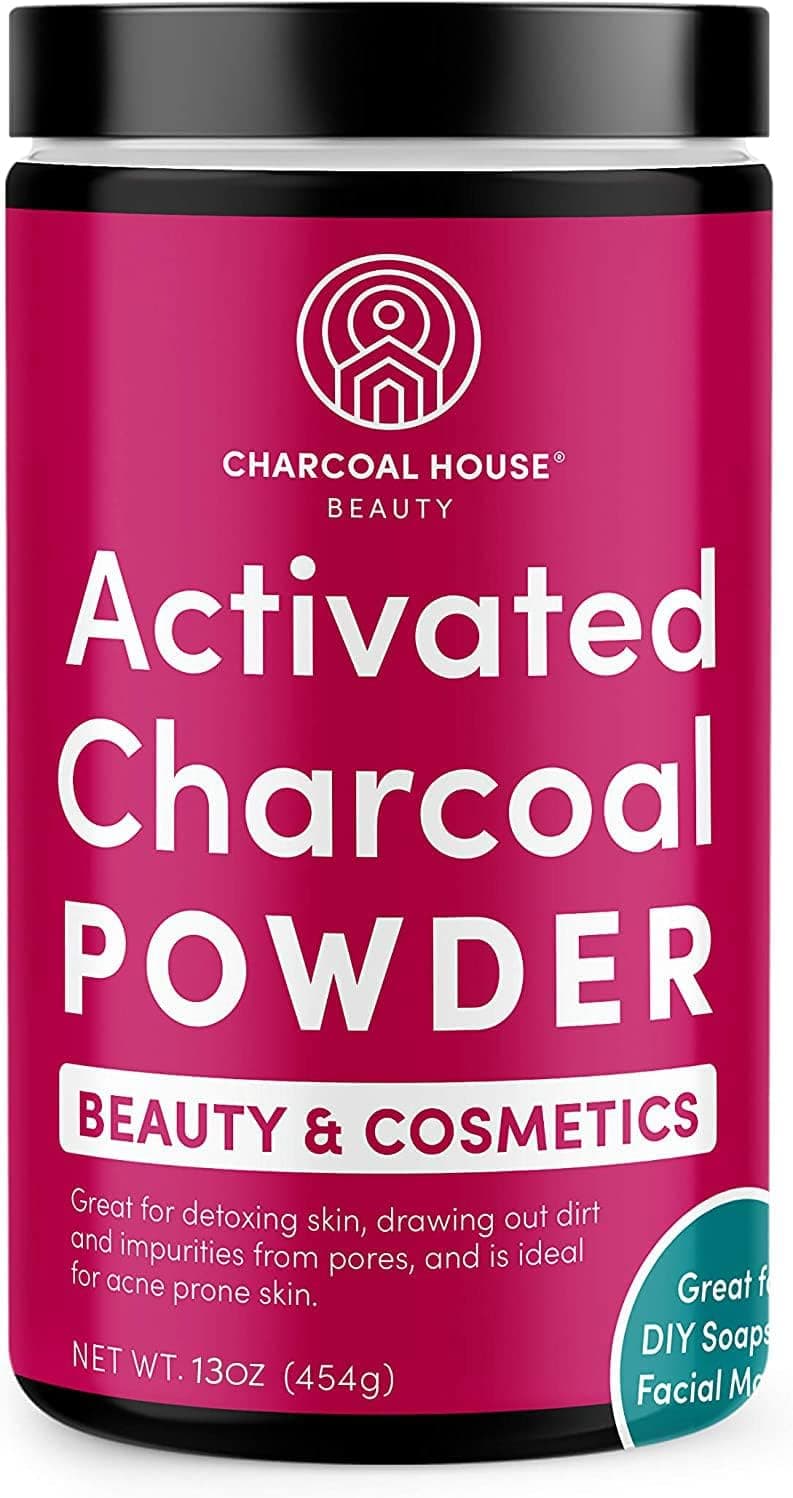
Charcoal House 11 oz food grade activated bamboo charcoal powder, the larger size for regular charcoal soap makers.
Price range: See on Amazon
What we liked
- + 11 oz supply suits makers who sell charcoal bars regularly
- + Bamboo charcoal delivers a rich black color in cold process soap
- + Same Charcoal House powder as the smaller pack, so results match
Trade-offs
- - Large supply of light powder needs careful storage to stay clean
- - More charcoal than an occasional maker will use
Who this charcoal powder fits
Activated charcoal soap has stayed a steady category in handmade soap shops, prized for its deep black or gray color and its marketing tie to detoxifying, clarifying bars. This listing is Charcoal House's 11 oz jar of food grade activated bamboo charcoal powder, sized for makers who run charcoal bars as a regular part of their lineup rather than as a one-off novelty. Charcoal House is a Nebraska based supplier that has sold activated charcoal for beauty and industrial uses for close to two decades, which gives the brand a track record beyond a single Amazon listing. Someone making a single test batch of charcoal soap is better off with the smaller jar from the same maker, but a shop selling charcoal bars at markets or online will use this size at a steadier pace.
What food grade bamboo charcoal actually is
This powder is activated charcoal made from 100 percent virgin bamboo, steam activated and labeled food grade, which is a stricter standard than the technical grade charcoal sold for filtration or industrial use. The listed specifications include an iodine number of 800 to 900 milligrams per gram, a measure of adsorption capacity, along with a maximum moisture content of 5 percent and an apparent density of roughly 0.43 to 0.48 grams per cubic centimeter. The powder is alkaline in pH and ships in a resealable quart jar rather than a bag, which holds its shape better on a shelf than a flexible pouch. Charcoal House markets it for skin care, body scrubs, facial cleansers and soap making, alongside other beauty and cosmetic uses like teeth whitening pastes.
Working with it in the soap room
Bamboo charcoal disperses into oils in a similar way to other powdered soap colorants, so most makers premix it into a small amount of oil or water before stirring it into the batter, adjusting the amount to control how dark and even the final gray or black comes out. Because it is such a fine, light powder, a full 11 oz jar needs careful storage and scooping, since a stray puff can dust a nearby countertop or clothing more easily than a denser mineral colorant would. Many soap makers pair it with bentonite clay or activated charcoal specific recipes built around detox and clarifying claims, though any such claims about drawing out toxins should point back to the ingredient supplier rather than be treated as an established fact.
How it compares with other charcoal options
Against Charcoal House's own smaller 6 oz jar of the same bamboo charcoal, this 11 oz size is the better buy for anyone who already knows they will use it steadily, since it is the same formula at a lower cost per ounce. Rival options include a smaller 2.5 oz safety sealed container aimed at first time buyers, and hardwood or coconut based activated charcoal powders sold in 1 lb and 4 oz sizes that lean more on teeth whitening and facial mask marketing than soap specifically. The choice between bamboo and hardwood or coconut sourced charcoal mostly comes down to personal preference and price, since all are activated carbon powders suited to coloring and light texture in a soap bar.
Verdict
This 11 oz jar suits a soap maker who has already settled on charcoal as part of their regular lineup and wants a food grade, well documented powder from a supplier with a long track record rather than an unfamiliar brand. It delivers the deep, even black or gray color charcoal soap buyers expect, and the resealable jar keeps it usable over many batches. The main catch is handling a larger volume of very light powder, which calls for measuring over a tray and storing the jar somewhere it will not tip. Anyone unsure whether they will keep making charcoal soap should start with Charcoal House's smaller jar and move up to this size once the recipe is settled.
Frequently asked questions
How much bamboo charcoal powder goes into a batch of cold process soap?
A common starting point is about half a teaspoon to one teaspoon per pound of oils, added as a premixed slurry, then adjusted in future batches to reach the depth of gray or black you want.
Does activated charcoal soap actually draw toxins out of skin?
Activated charcoal is included in cosmetics mainly for its adsorbent, clarifying properties and color. Treat specific health or detox claims with caution and rely on the supplier's own product information rather than general marketing language.
Is this charcoal powder the same one used for teeth whitening?
Charcoal House markets this bamboo charcoal powder for multiple beauty uses including soap, face wash and teeth whitening, since it is the same food grade activated charcoal across those applications.
Will this charcoal stain my soap molds or tools?
Fine black powders like activated charcoal can leave temporary staining on light colored silicone molds and tools. Rinsing promptly after use and using dedicated soap making equipment helps limit lingering discoloration.
Prices change often, so check the current price and availability on Amazon.
Check price on AmazonSoap Making Nest may earn a commission from the link above.